From Carbon Finance to Community Impact: XiCO2 Progress in Durango
Alona Mikhova
December 01, 2025
Project Updates
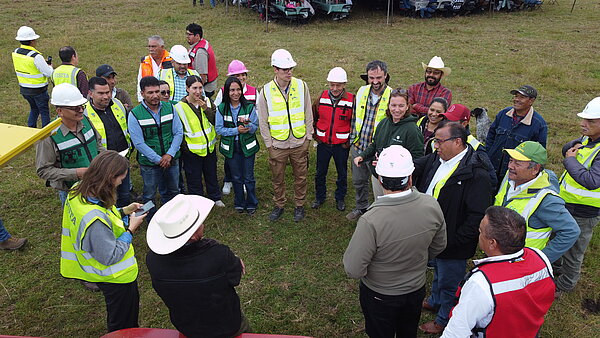
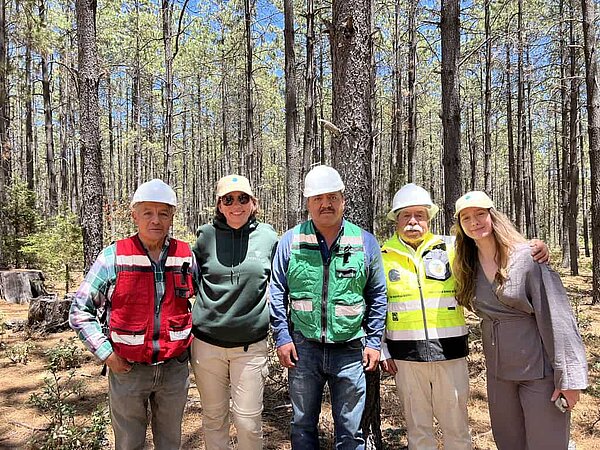
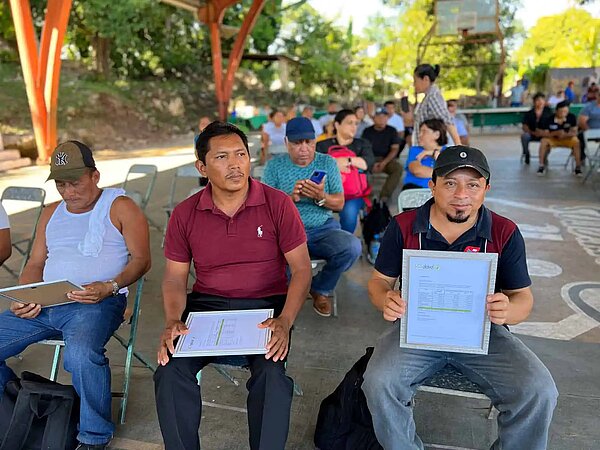
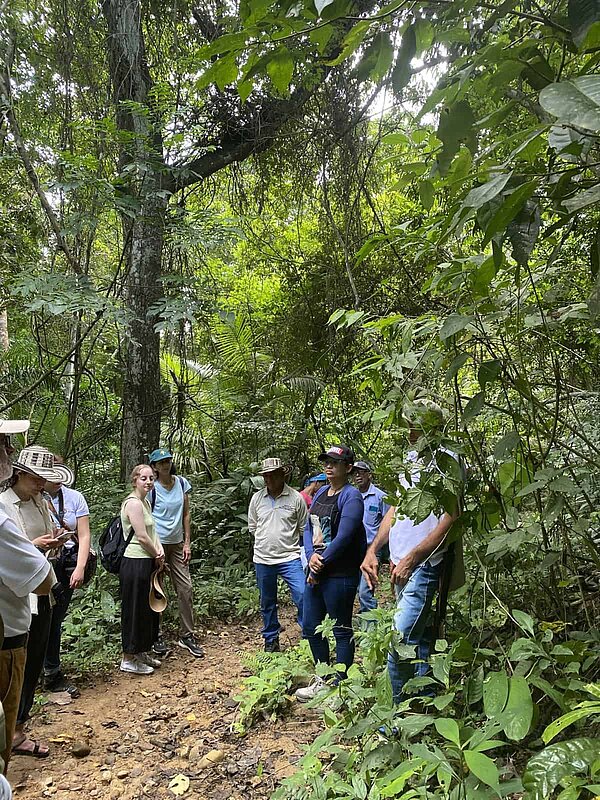
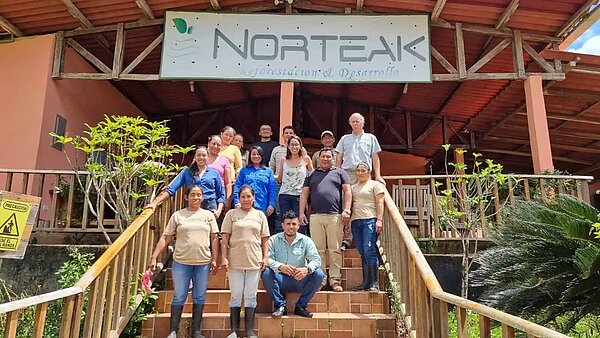
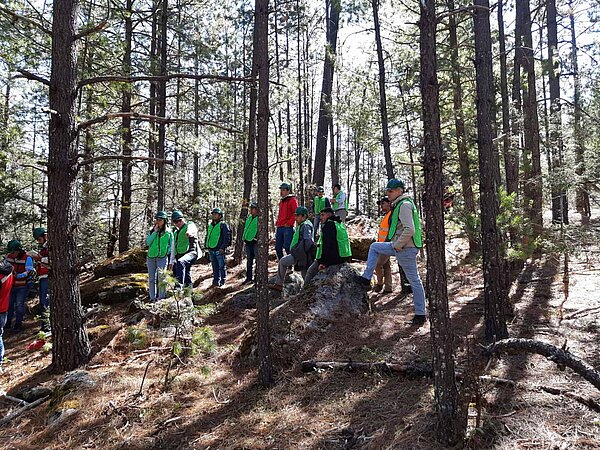
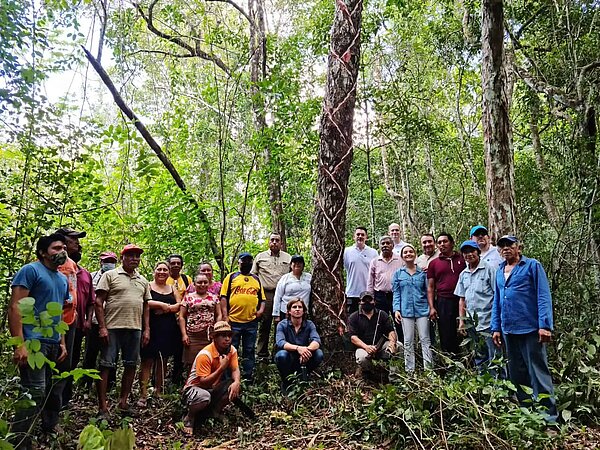
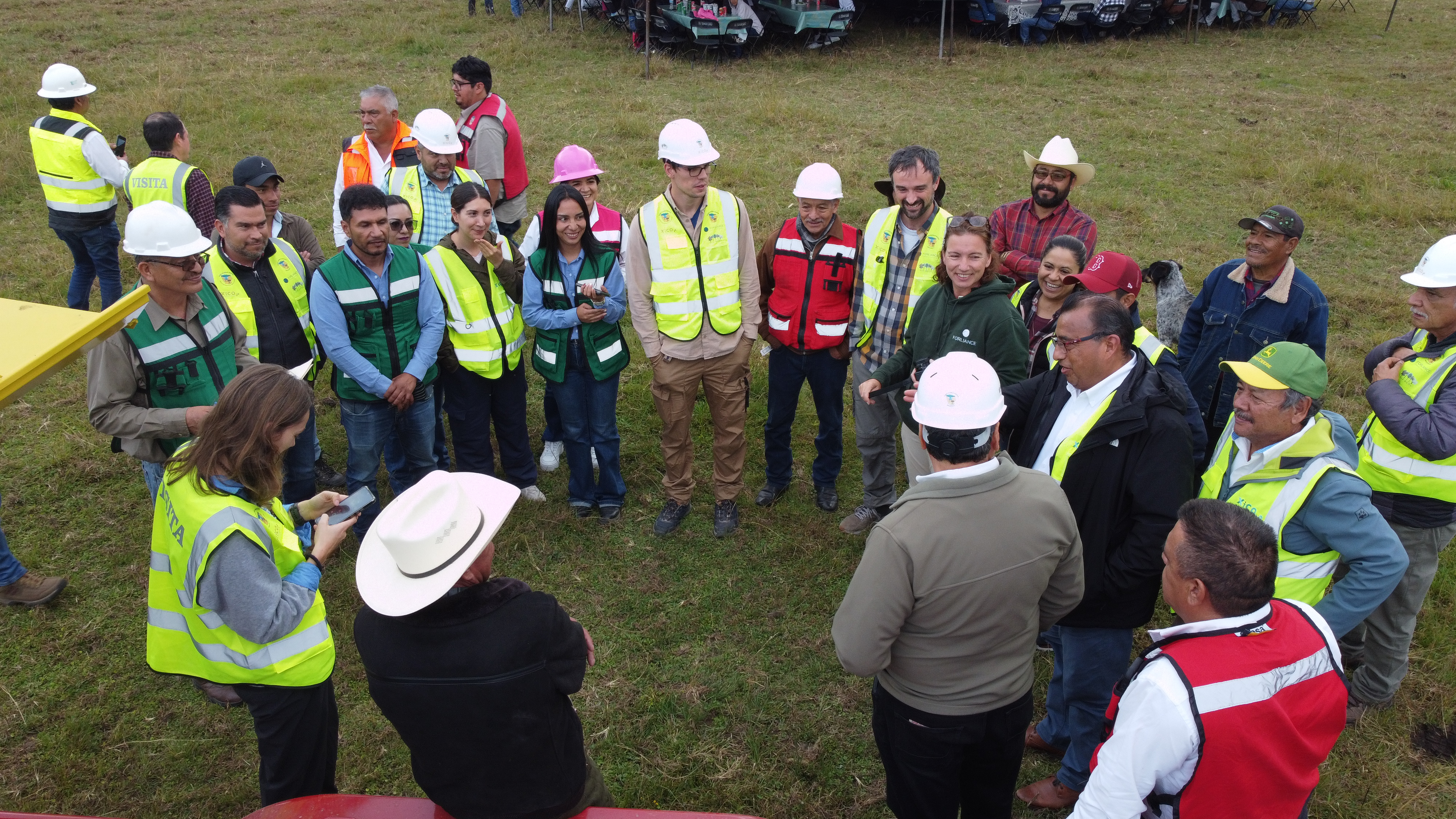
In October 2025, the FORLIANCE team traveled to Durango for an in-depth visit across the ejidos that are part of the XiCO₂: Durango Forest Project. The purpose was clear: strengthen long-term partnerships, review operational progress directly in the field, and accompany the formal handover of carbon-revenue checks to the participating communities.
Across multiple ejidos, including Pueblo Nuevo, the visit underscored how structured governance, transparent benefit-sharing, and locally led operations are delivering measurable climate and community outcomes at landscape scale.
A Visit Marked by Transparency and Shared Momentum
The check handovers were not ceremonial gestures — they were the result of months of collective work, monitoring, and the ejidos’ own governance structures.
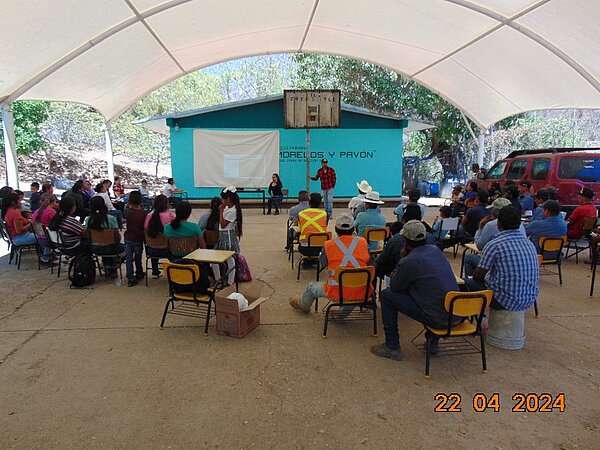
Each community allocates revenue through its Common Fund system, following a documented proposal and approval process overseen by the Monitoring Commission. The visit allowed FORLIANCE and ejido leaders to jointly review how these mechanisms are working in practice.
Conversations with community members made the impact tangible: revenues from XiCO₂ are helping reduce manual workloads, stabilise incomes when timber markets fluctuate, and reinvest in tools and infrastructure that directly support sustainable land use. These benefits strengthen local resilience and reduce pressure on forest resources — a crucial factor for carbon permanence.
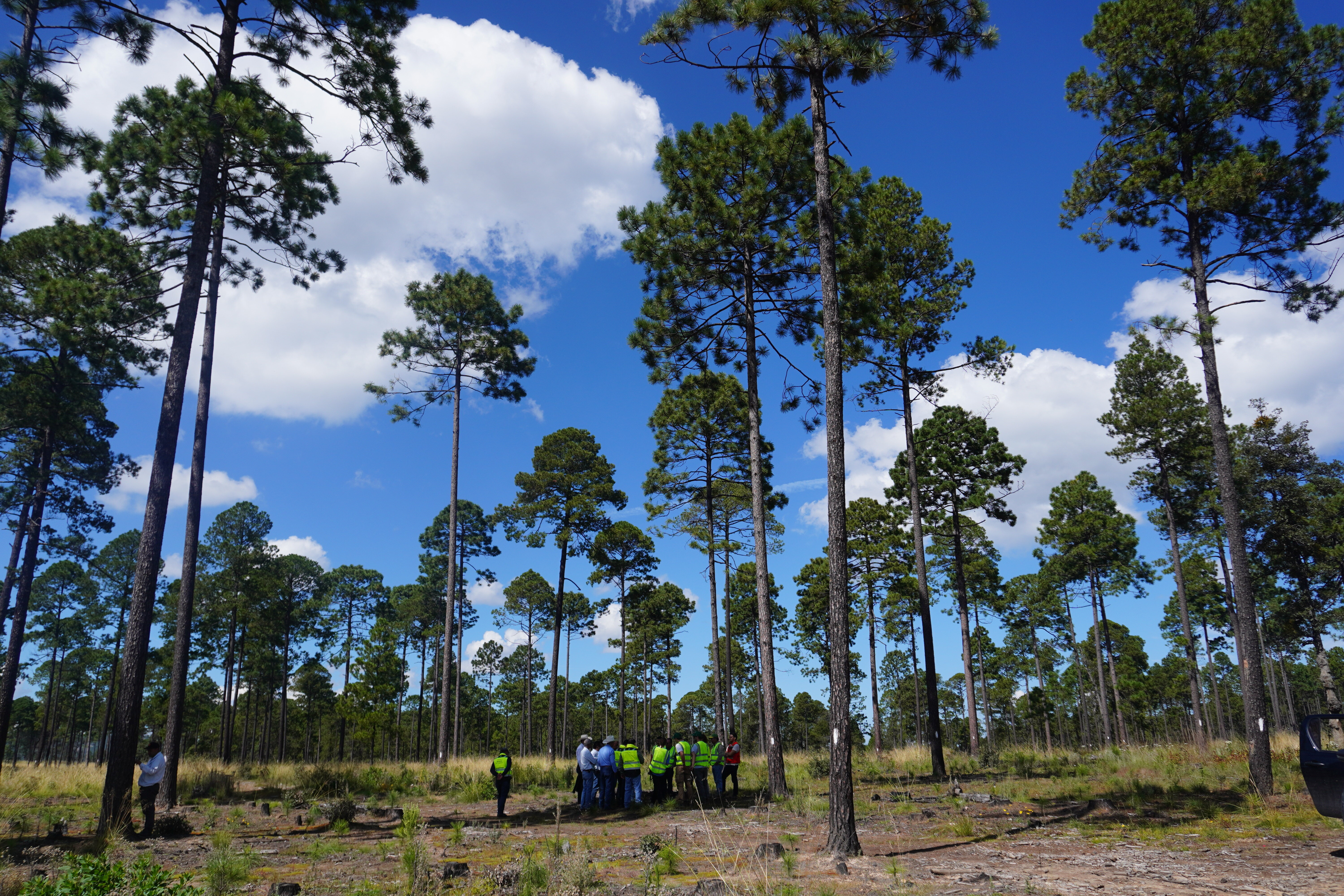
Seeing Landscape-Scale Stewardship in Action
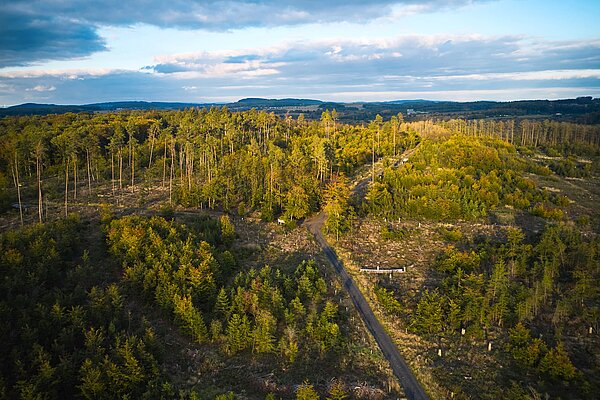
Pueblo Nuevo, at almost 238,000 hectares, is a jurisdiction-scale forest system. Managing a territory larger than Luxembourg demands more than technical planning; it requires institutional continuity, strong local leadership, and reliable operational capacity.
Across the ejidos, the team reviewed:
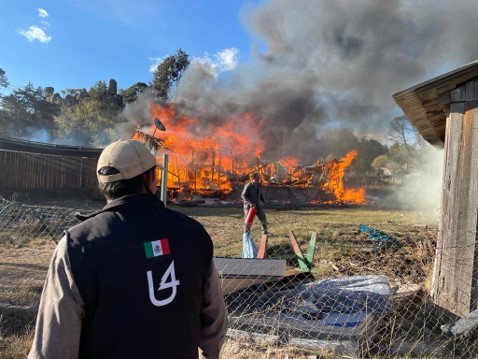
- Fire-prevention systems: including staffed watchtowers, professional brigades, strategic firebreaks, and AI-supported heat detection.
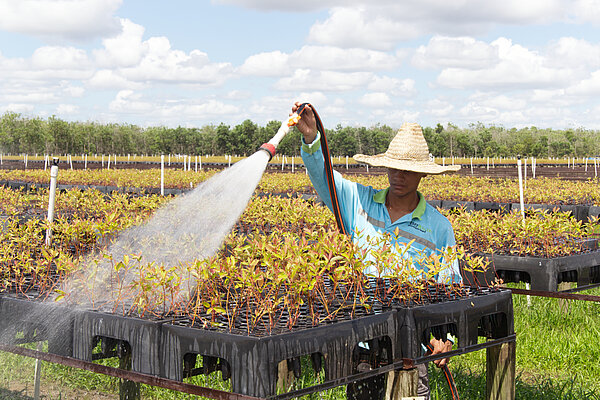
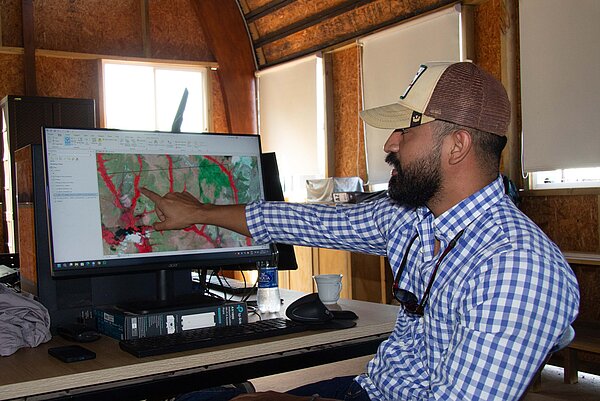
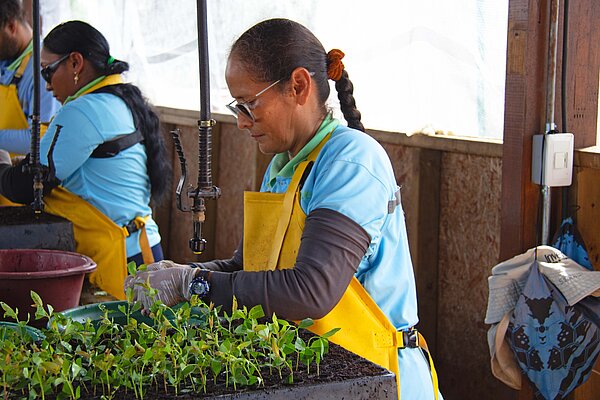
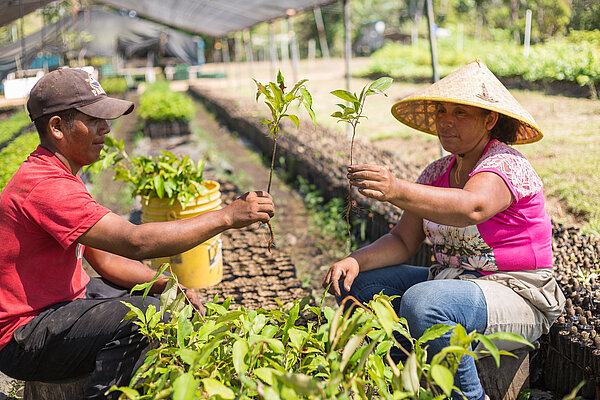
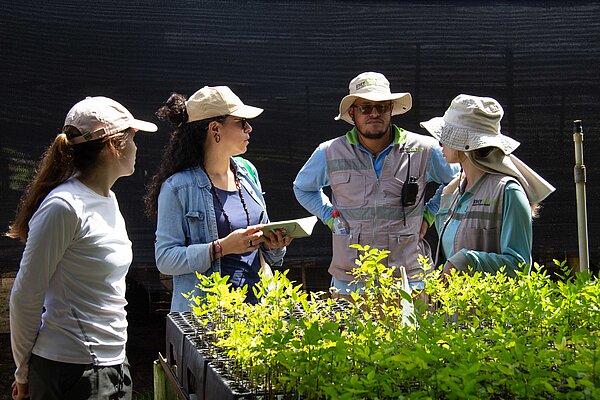
These investments have significantly reduced fire impact — from 14,696 hectares (2023) to just 2,541 hectares (2025). - Silvicultural practices: thinning, regeneration, and nursery-led seedling production, all supporting healthier forest structure and long-term carbon storage.
- Infrastructure improvements: better access roads and rehabilitated firebreaks enabling faster response and safer forest operations.
What stood out was not only the technical rigor, but the way the ejidos have integrated these activities into community-led systems. This is climate action anchored in local institutions.
Local Capacity as a Long-Term Advantage
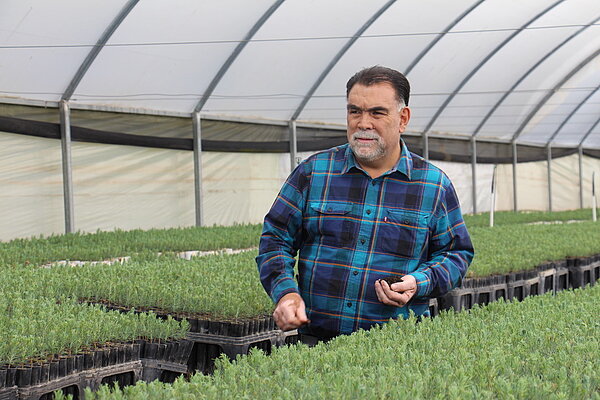
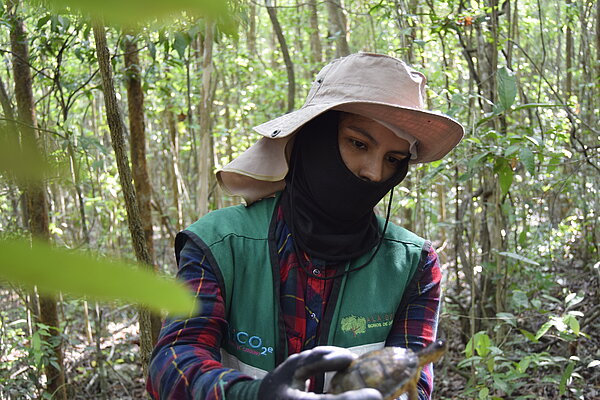
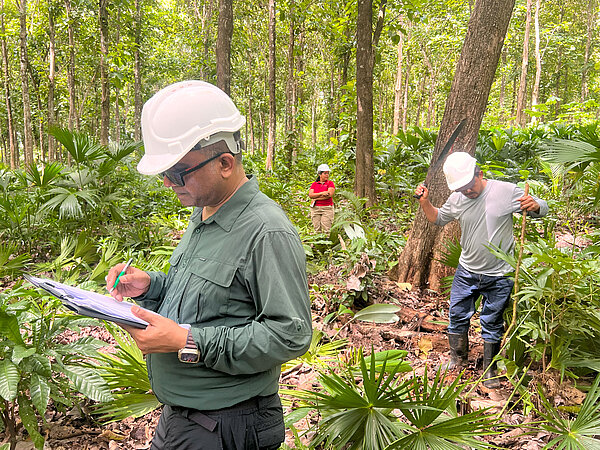
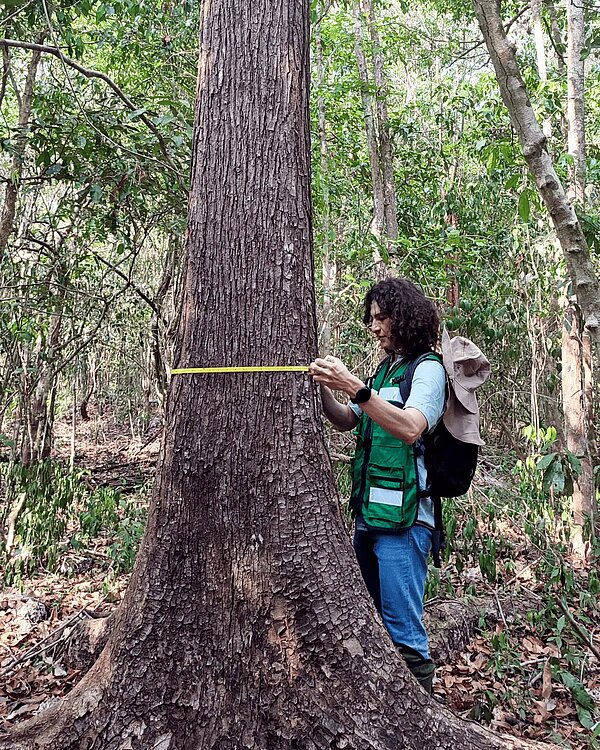
One of the clearest indicators of progress is the growth of technical roles within the ejidos. Inventory teams, fire brigades, risk patrols, and monitoring roles are increasingly led by trained local members — creating stable employment and retaining institutional knowledge.
“I began as an assistant brigade leader, and three months ago they promoted me to brigade leader. I worked hard to get here.”
— Jazmín González, Pueblo Nuevo
Her story reflects a broader trend: XiCO₂ is not only protecting forests; it is cultivating local expertise that strengthens project permanence.
Governance That Builds Confidence
In early 2024, the ejidos formalized their Monitoring Commission, an internal body that guides revenue use, reviews project activities, and ensures decisions are transparent and well-documented.
During the visit, Commission members shared how this structure has:
- improved clarity around contractual obligations,
- increased internal trust and predictability,
- and provided clear documentation valued by corporate buyers and certification bodies.
Strong governance is one of XiCO₂’s most important assets — it protects the project from leadership changes, external pressures, and market volatility.
A Project Evolving with Its Communities
The October visit demonstrated that XiCO₂ is maturing into a model of community-led forest management supported by carbon finance.
The handover of project revenue checks was a visible milestone — but the real story lies in the systems behind it:
- transparent decision-making,
- reliable operational capacity,
- local technical expertise,
- and a strong partnership between communities and FORLIANCE.
Together, these elements reinforce the long-term resilience of Durango’s forests and ensure that climate benefits remain deeply connected to the people who protect them.
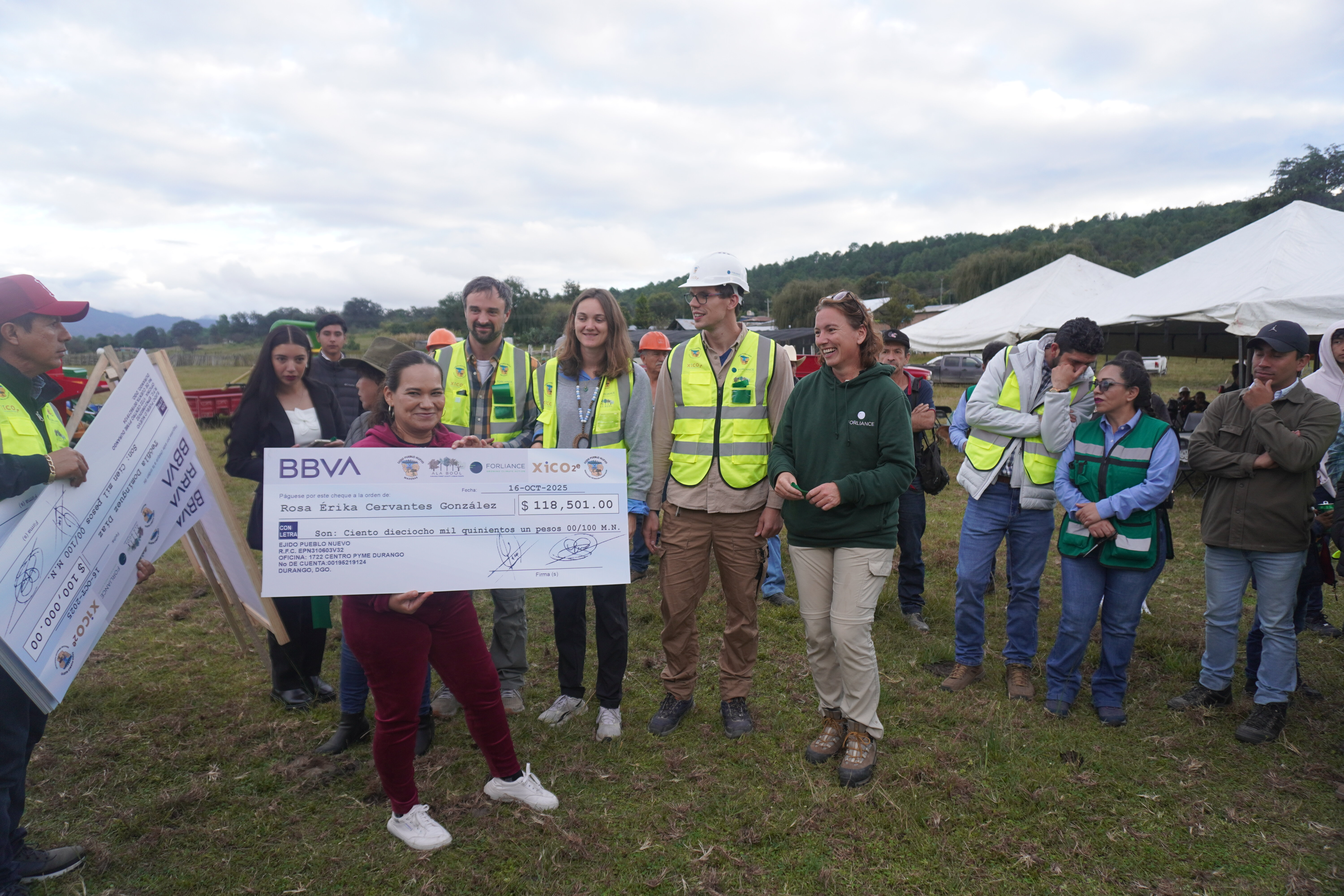
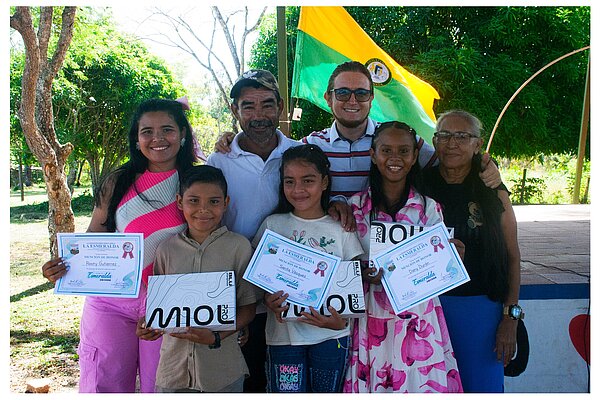
Pueblo Nuevo community members receive the carbon-revenue payment allocated to projects they jointly selected through the Common Fund system.

About the Author
Alona Mikhova, Project Portfolio & Commercialization Manager at FORLIANCE
Alona Mikhova is a Project Portfolio Specialist and Commercialization Manager at FORLIANCE, with over a decade of sustainability expertise and five years in the carbon sector. She translates complex project information into credible communications, supports due diligence and corporate net-zero strategies, and connects teams to deliver value for companies, biodiversity, and local communities.