From Hurricane Recovery to Climate Action: The XiCO2e Mexican Peninsula Project
Alona Mikhova
August 26, 2025
Project Updates
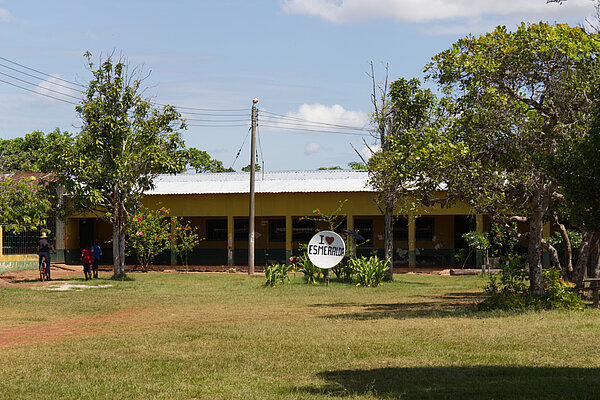
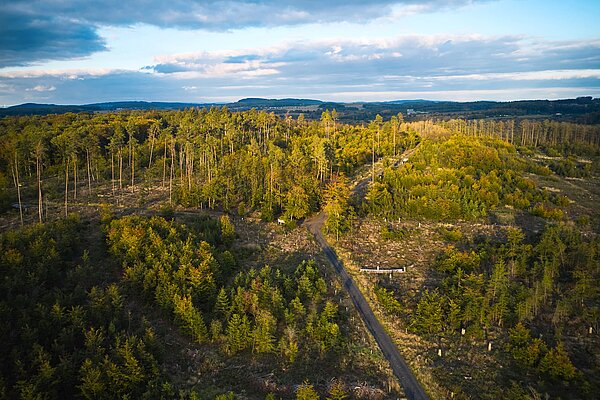
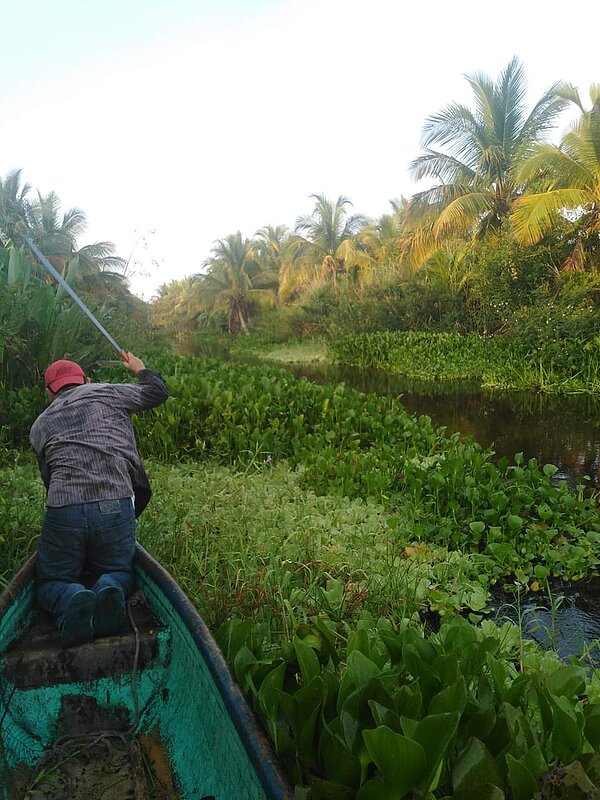
In 2007, Hurricane Dean struck the Yucatán Peninsula with winds exceeding 270 km/h, devastating thousands of hectares of forest in the ejido of Noh Bec. The destruction was severe: timber volumes were lost, and large areas of the forest were left vulnerable to fire, pests, and illegal logging. The community responded immediately, salvaging usable timber, replanting over 150 hectares, and investing in better infrastructure and forest monitoring. This experience became the foundation for the Peninsula Project, a carbon initiative designed to enhance forest resilience while providing stable income to the communities that manage it.

Active Management and Verified Additionality
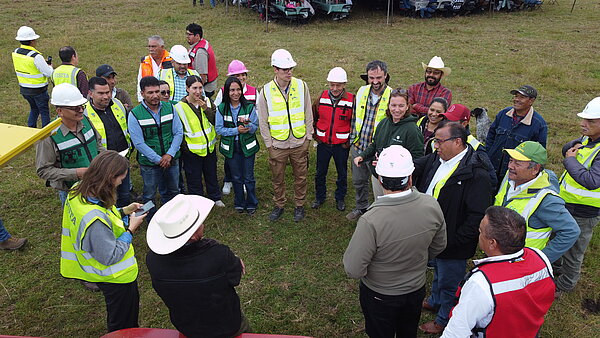
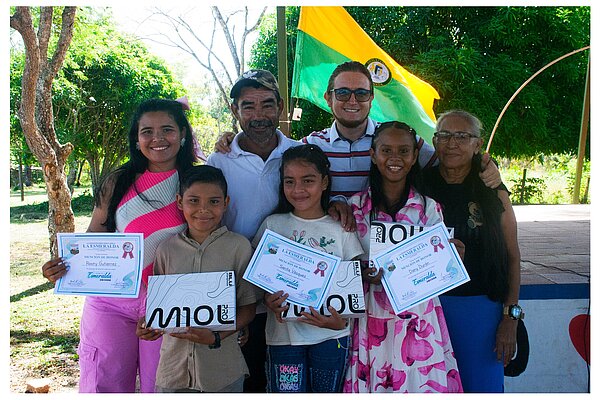
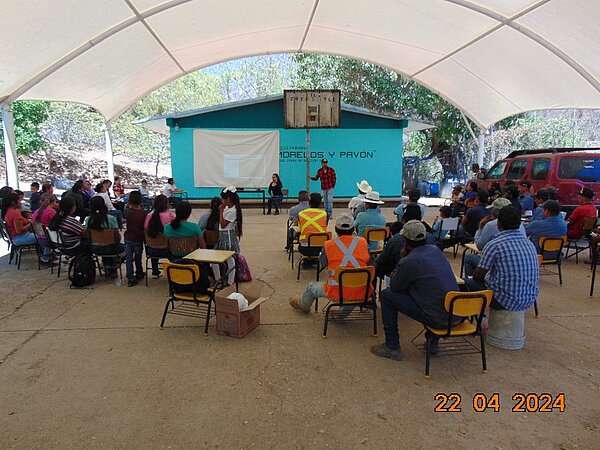
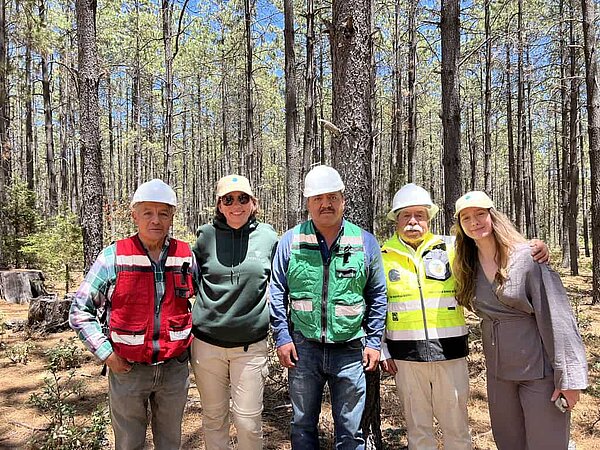
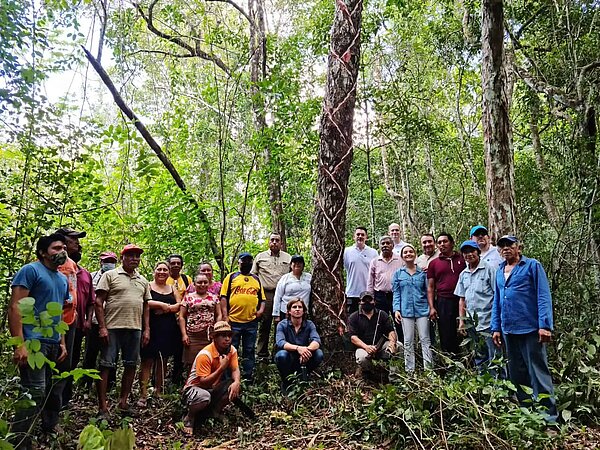
The XiCO2e: Mexican Peninsula Forest Project, formally developed in December 2021, brings together the ejidos of Noh Bec and Naranjal Poniente. Both communities faced ongoing threats from illegal and unregulated logging and required a reliable, long-term source of revenue to sustain their forests. By integrating Improved Forest Management (IFM) practices under the Climate Action Reserve (CAR) standard and Mexico Forest Protocol Version 3.0, the project creates a clear additionality: without carbon finance, these forests would not receive the systematic management, monitoring, and risk mitigation that could occur daily.
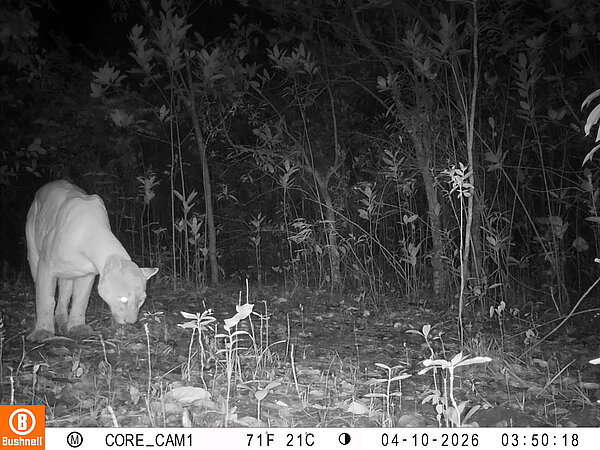
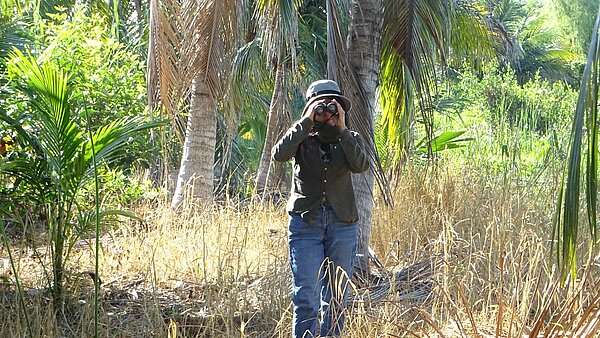
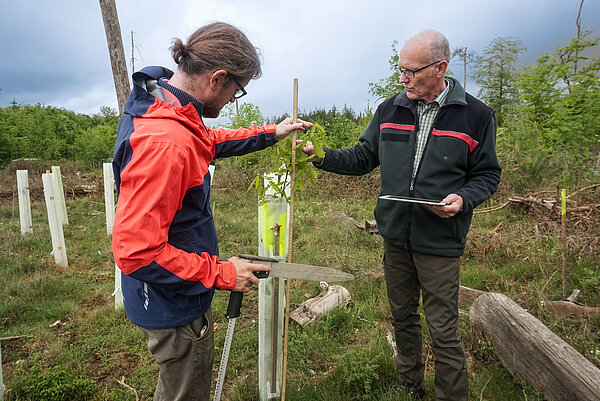
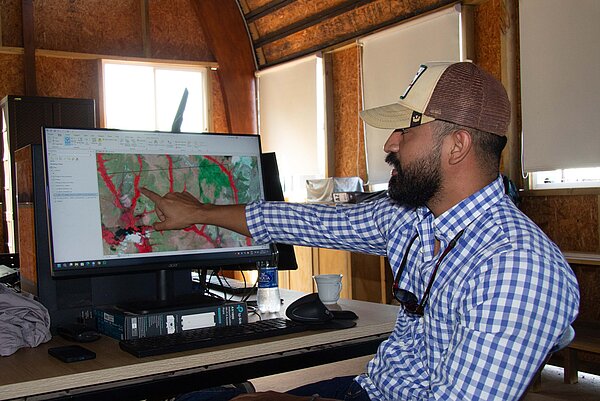
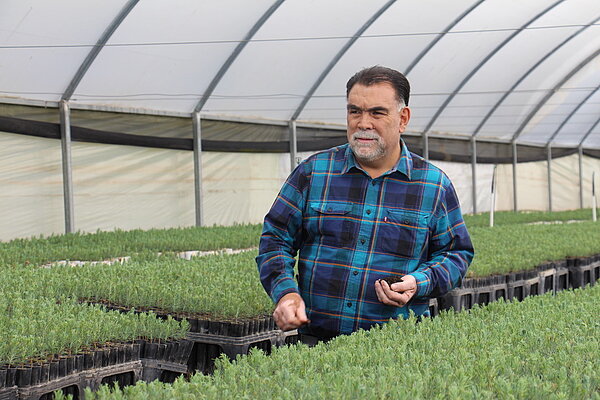
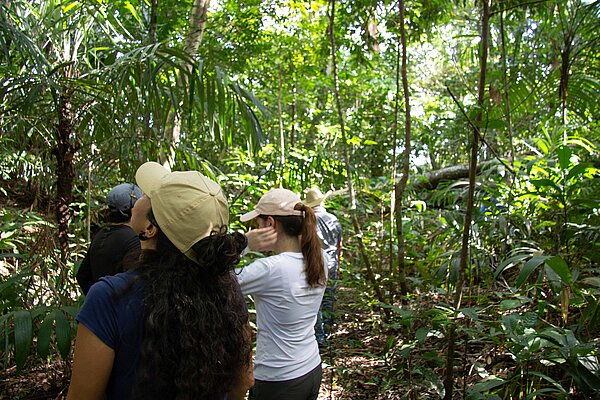
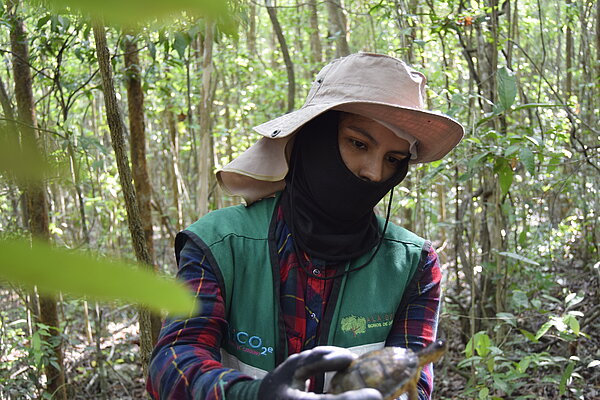
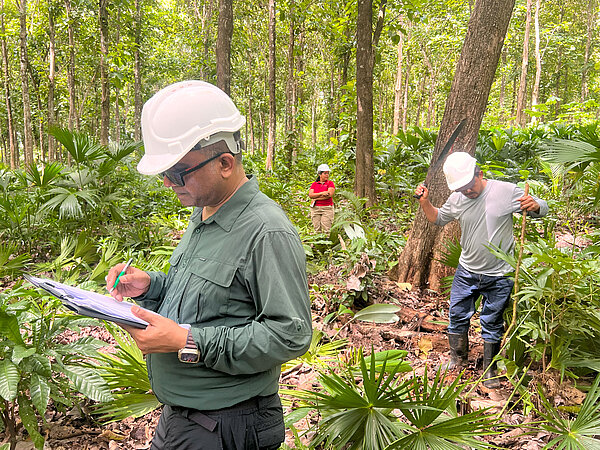
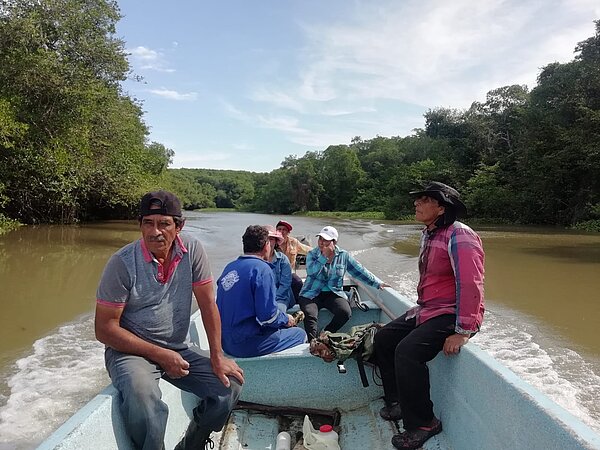
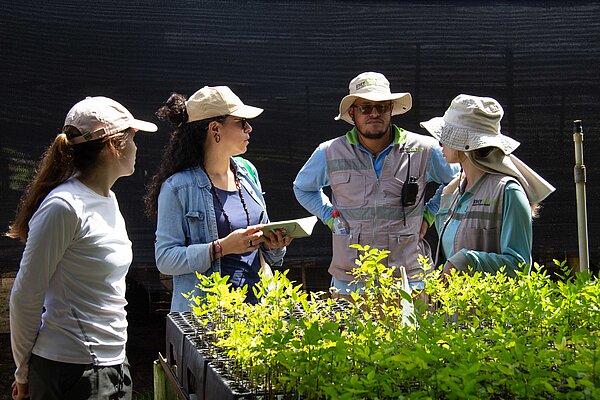
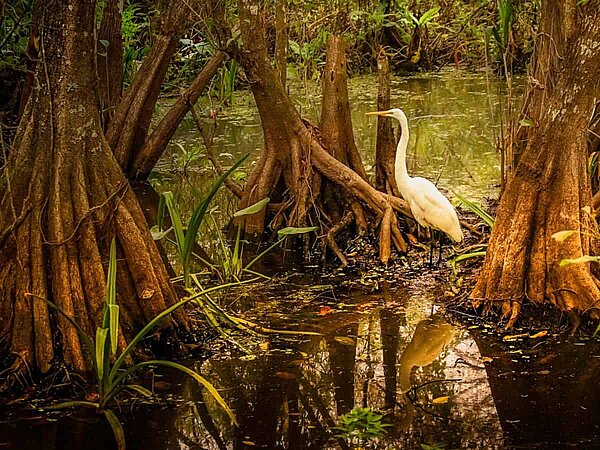
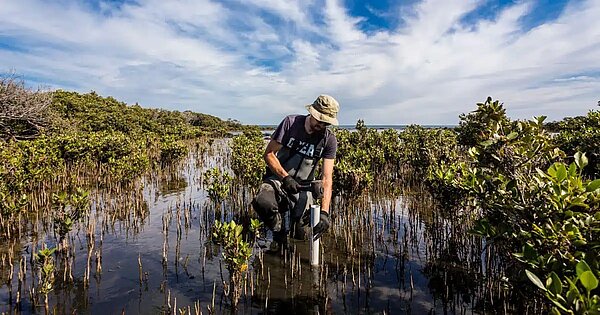
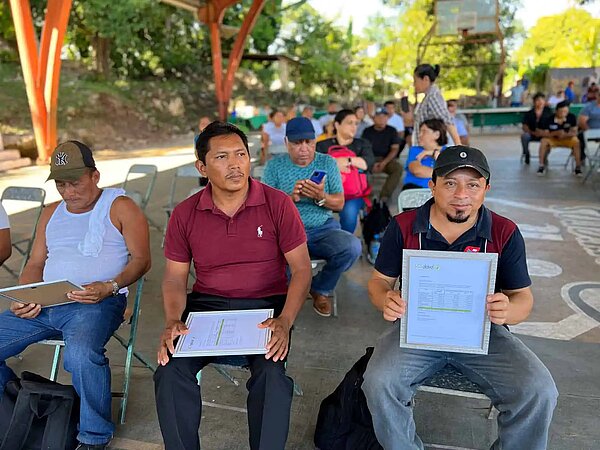
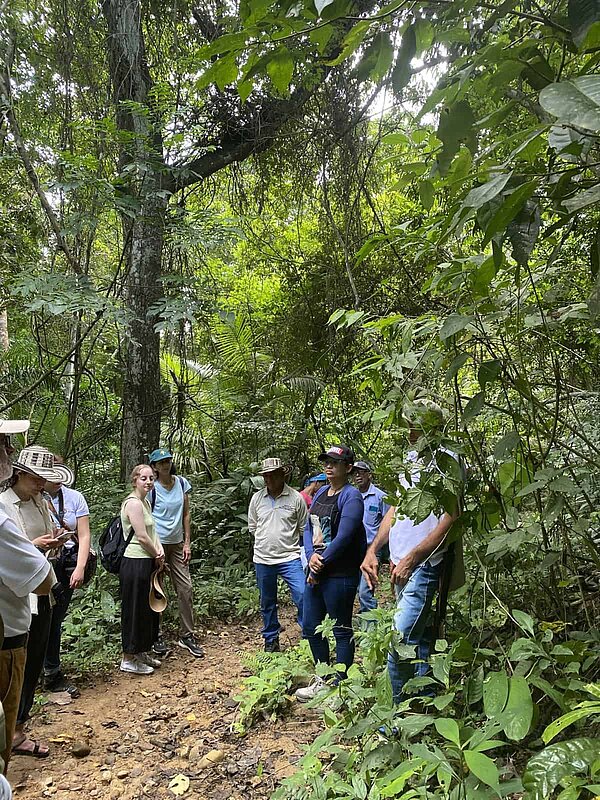
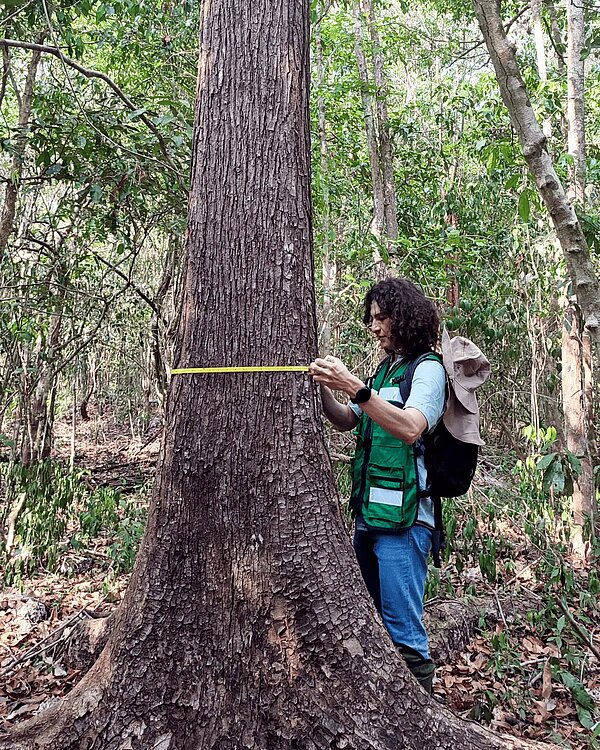
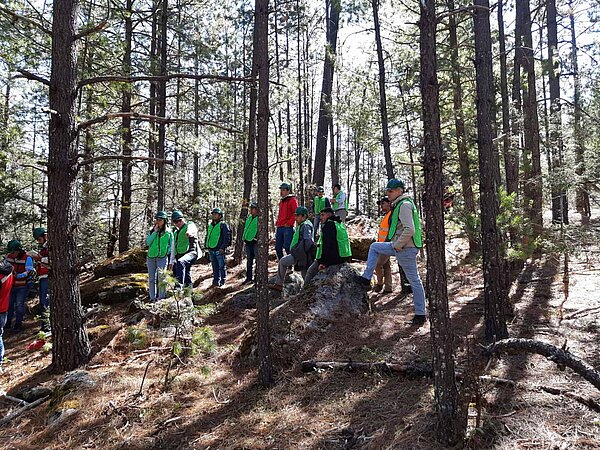
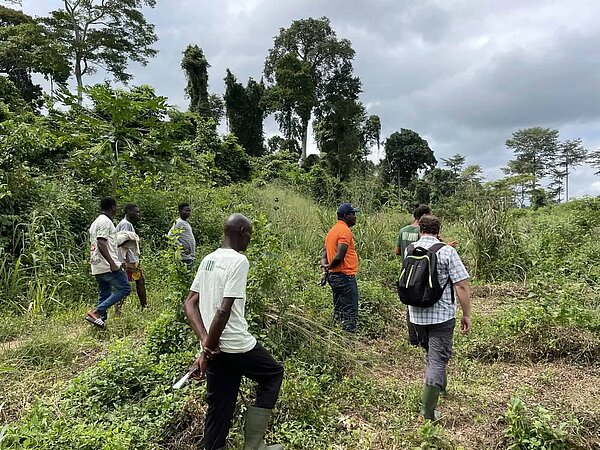
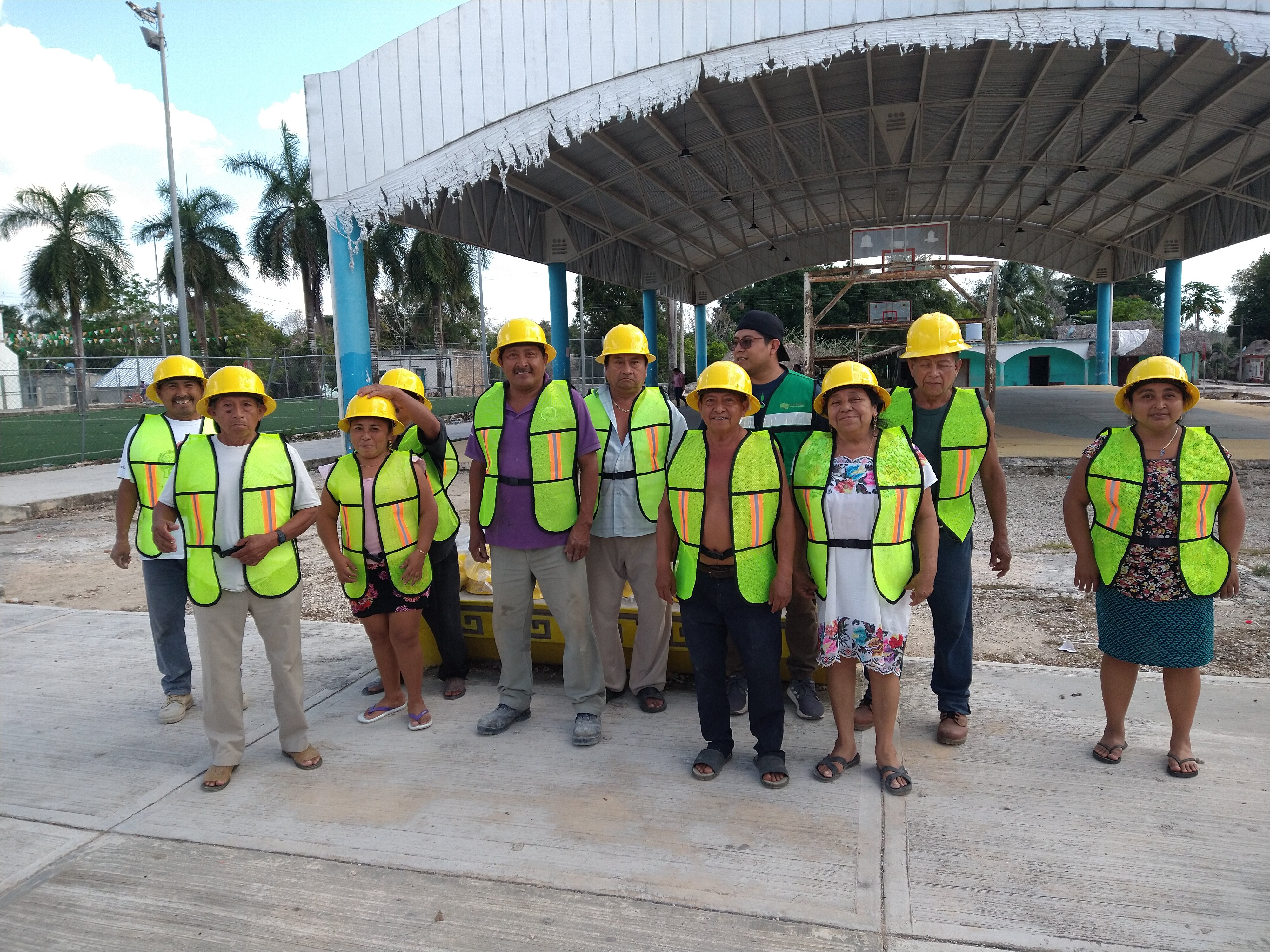
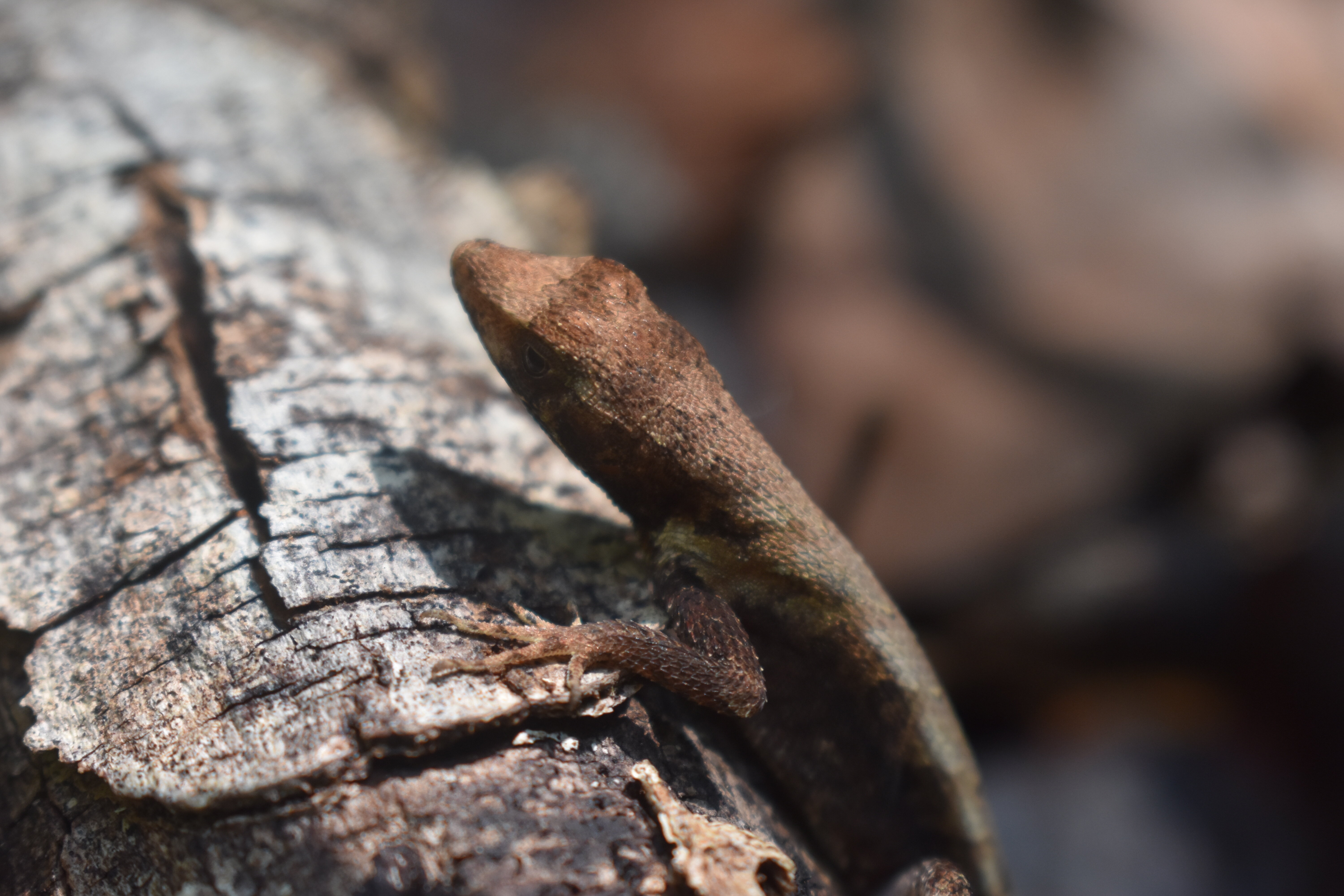
A typical day on the project sees community members and trained technicians measuring permanent plots, performing selective enrichment planting, and maintaining firebreaks during the dry season. Biodiversity monitoring is embedded into these routines, with camera traps and field surveys tracking keystone species such as jaguars, Baird’s tapirs, and spider monkeys. Carbon revenues fund these forest management activities while also supporting community health programs, road maintenance, and infrastructure improvements, ensuring that conservation is both economically viable and socially sustainable across the project’s full 37,353 hectares.
Targeted Actions for Carbon and Forest Management
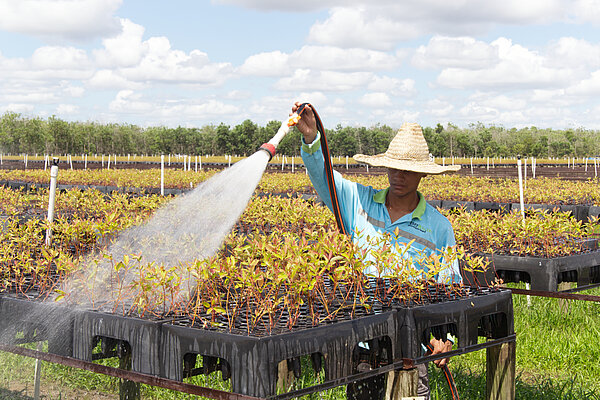
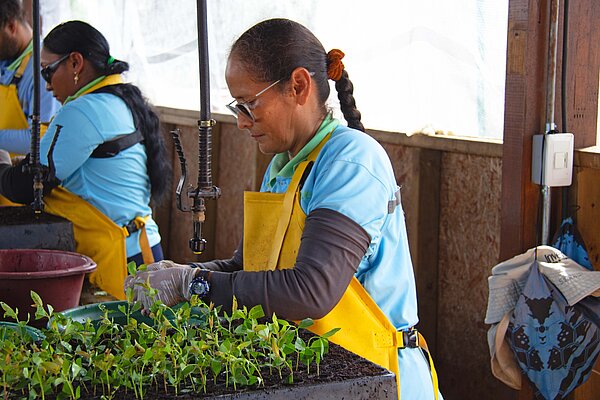
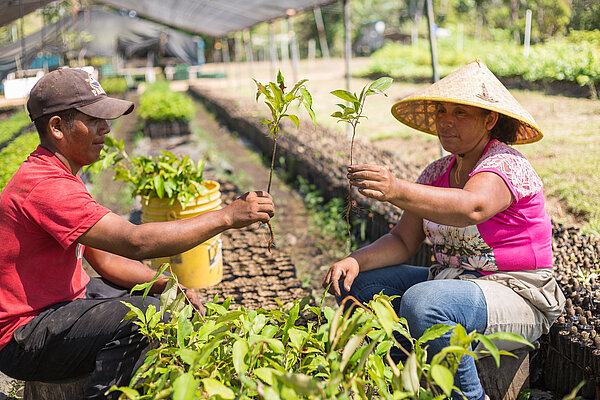
Building upon this foundation, the Peninsula Project implements specific activities to enhance carbon sequestration and forest health beyond baseline management. These include enhanced forest regeneration, with assisted natural regeneration, targeted enrichment planting, and reforestation of native species such as Mahogany, Ramón, and Chicozapote. Selective thinning and habitat structuring improve forest canopy diversity, promote wildlife habitats, and accelerate carbon accumulation. Areas damaged by Hurricane Dean are prioritized, ensuring that past losses are actively restored.
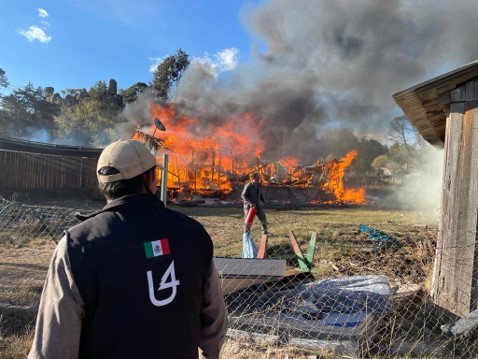
Fire prevention and ecosystem protection are also strengthened. Local brigades are trained and expanded, firebreaks are maintained across hundreds of kilometers, and surveillance systems detect and prevent illegal logging or pest outbreaks. Silvicultural treatments, including thinning, clearing, and pest management, optimize growing conditions for residual trees and increase forest productivity. Finally, all these activities contribute directly to increasing carbon stocks above the baseline, ensuring that the project delivers real, measurable climate impact that would not exist under business-as-usual forest management.
Make the XiCO2e: Mexican Peninsula Forest Project part of you companies climate strategy
The value of the Peninsula Project lies in its specificity: it is a working forest system, actively managed and monitored, where carbon finance directly enables measurable outcomes. It ensures forest resilience against storms, illegal logging, and ecological pressures, while providing a stable economic foundation for local communities.
By purchasing carbon credits from the Peninsula Project, buyers support a high-integrity initiative with clear additionality, proven resilience, and a track record of community-led, science-based forest management in one of the Americas’ most important tropical forests. Contact us for a first consultation.

About the Author
Alona Mikhova, Project Portfolio & Commercialization Manager at FORLIANCE
Alona Mikhova is a Project Portfolio Specialist and Commercialization Manager at FORLIANCE, with over a decade of sustainability expertise and five years in the carbon sector. She translates complex project information into credible communications, supports due diligence and corporate net-zero strategies, and connects teams to deliver value for companies, biodiversity, and local communities.