Navigating FLAG and Agricultural GHG Emissions: How Businesses Can Prepare
July 28, 2025
Climate Strategy & Policy
Land-based emissions from agriculture and forestry are gaining unprecedented importance as companies face growing expectations from regulators, investors, and customers. From field to farm gate, emissions accounting has become an essential part of credible climate strategies—especially for businesses sourcing raw materials from complex agricultural supply chains.
Frameworks like the Science Based Targets initiative (SBTi) FLAG guidance and the Corporate Sustainability Reporting Directive (CSRD) are driving the need for transparent reporting and measurable action. Yet many companies still grapple with uncertainty around data quality, methodological consistency, and practical next steps.
Why Field-to-Farm-Gate Emissions Matter
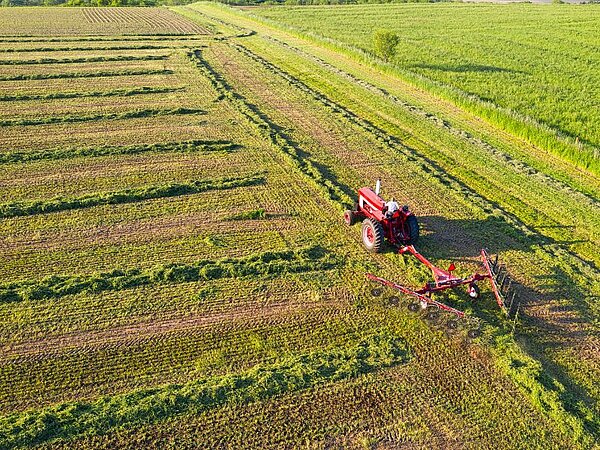
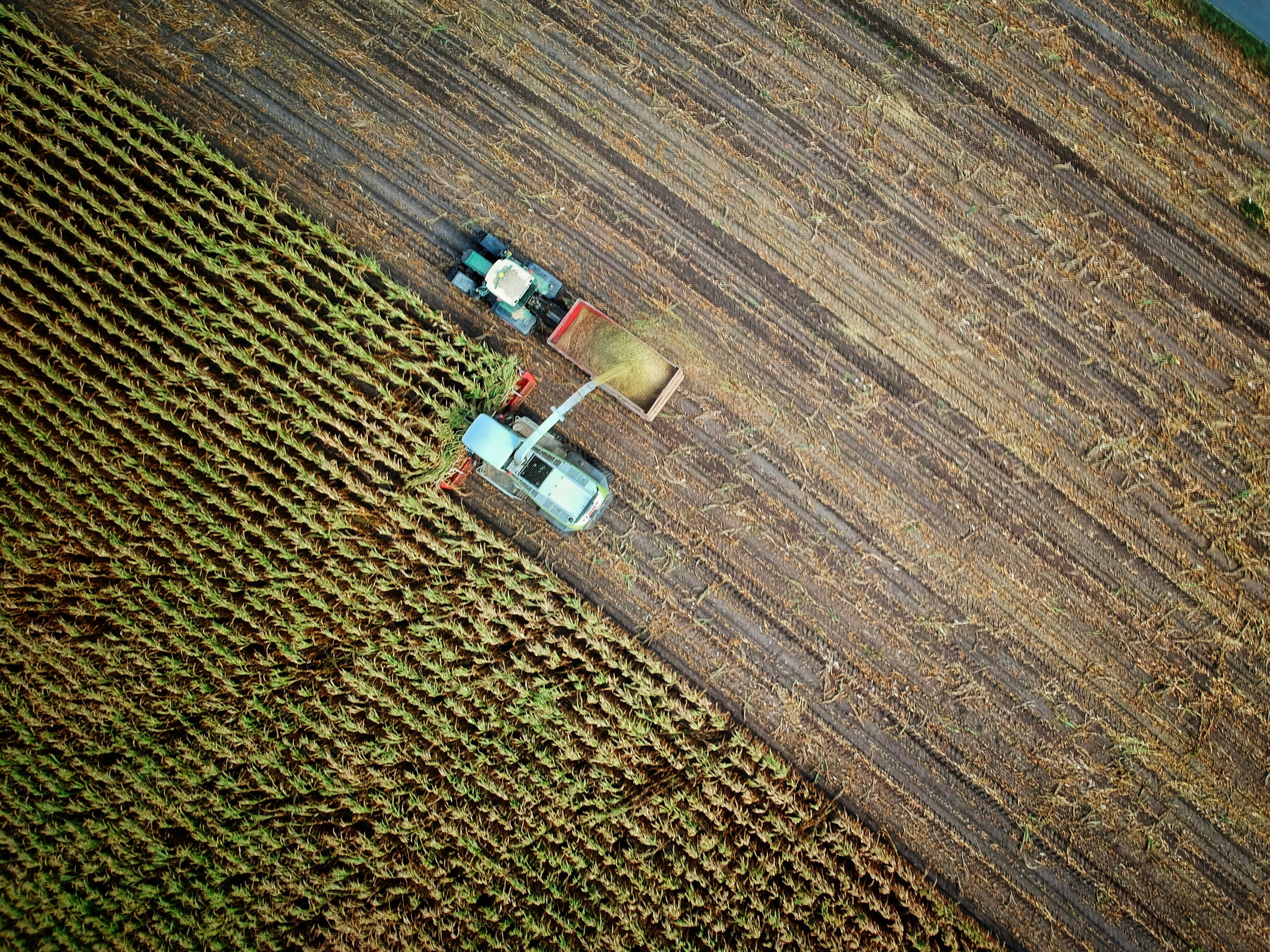
Field-to-farm-gate emissions make up a significant share of Scope 3 impacts. These include land use, land-use change, and land management emissions—from fertilizer application and soil disturbance to crop residues and livestock-related emissions. Understanding and addressing them is critical for demonstrating progress and reducing risk exposure.
Overlooking these emissions can compromise the credibility of net-zero commitments and leave companies unprepared for tightening disclosure requirements.
Challenges in Agricultural GHG Accounting
Agricultural GHG accounting requires a nuanced approach. Emissions depend on local practices, environmental conditions, and supply chain structures. Even robust accounting systems often lack the flexibility to capture this variability, and data gaps remain a persistent challenge.
Moreover, most corporate accounting tools were not built with agricultural emissions in mind. This leads to blind spots when estimating upstream Scope 3 emissions and makes it difficult to identify actionable reduction levers.
Evolving Tools and Practical Solutions
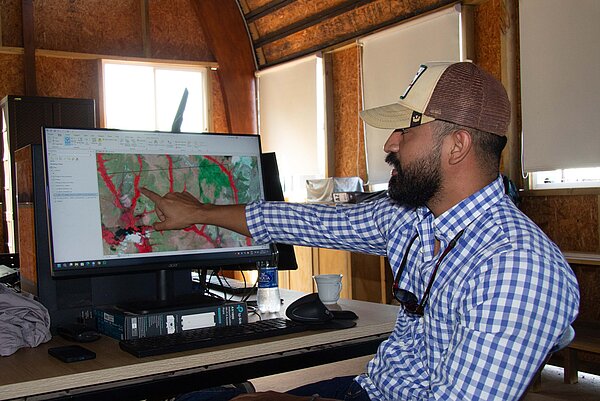
While no single platform currently provides a complete solution, digital tools are evolving and support clearer reporting of land-sector emissions alongside other categories, making it easier to align inventories with emerging standards. Tools and databases are beginning to support more granular, farm-level data collection and modelling.

The Path Forward
While full methodological clarity is still a work in progress, companies don’t need to wait. By starting with a materiality assessment, prioritizing key agricultural supply chains, and piloting improved measurement tools, food businesses can lay the foundation for meaningful climate action.
To turn strategy into action, companies can follow this simple, phased roadmap:
- Conduct a FLAG-aligned materiality screening to identify the most emissions‑intensive commodities in your supply chain.
- Prioritize the top three supply-chain hotspots (e.g. dairy, soy, rice) where field‑to‑farm‑gate emissions dominate Scope 3.
- Pilot farm-level measurement tools to gather granular site‑sensitive data.
- Compare baseline vs scenario outcomes, testing practices like fertilizer optimization or cover cropping to model potential GHG reductions.
- Set short‑ and mid‑term reduction targets aligned with SBTi FLAG methodology, updating as data improves.
At FORLIANCE, we support organizations in navigating this journey—from emissions hotspot analysis and target setting to project development and credible reporting.
If you’d like to explore how your supply chains can prepare for FLAG and beyond, our team is here to help. Let’s get in touch.