What Companies Need to Know About the New SBTi Corporate Net-Zero Standard v2

December 15, 2025
Climate Strategy & Policy

The global net-zero landscape is shifting, and so are expectations for corporate climate action. With the second consultation draft of the SBTi Corporate Net-Zero Standard v2 (CNZS v2), the Science Based Targets initiative introduces some of its most far-reaching updates yet — especially regarding the role of carbon credits.

While the draft is still under review, the direction is already becoming clear: higher integrity, sharper guidance, and a more formalized approach to corporate emissions responsibility. We break down these developments and provide you with clarity on what the new standard may mean for your climate strategy. 

Status and Timeline: Where things stand

The version released is a consultation draft, meaning nothing is final yet — but it signals where the SBTi is heading. The consultation period runs until 12 December 2025, and the final standard is expected in Q2 2026, subject to change.

Companies can still set targets using the existing Version 1.3, and these efforts will remain valid. However, from 1 January 2028, all new targets must align with Version 2. 

Who the Standard Applies To

The draft introduces two company categories, differentiated by size and geographical income level. Large companies and medium-sized businesses in high-income countries fall under Category A, while Category B covers medium-sized companies in middle- and low-income regions as well as small and micro enterprises. These categories influence timelines and obligations throughout the standard. 

The Most Significant Shift: A New Framework for Carbon Credits

One of the biggest updates is the shift from “Beyond Value Chain Mitigation” to a clearer and more structured concept called Ongoing Emissions Responsibility (OER)

Before 2035: A portfolio approach
Companies may take responsibility for a portion of their ongoing emissions (Scopes 1–3) by using a mix of verified carbon reduction and removal credits, as well as climate finance contributions such as mitigation R&D or adaptation financing. The draft defines two recognition tiers — “Recognized” and “Leadership” — which distinguish companies based on the proportion of emissions they cover and the minimum carbon price they apply. Importantly, all contributions must adhere to strict integrity principles such as ex-post delivery, robust quantification, additionality, permanence safeguards, and independent verification. 

After 2035: Removals take center stage
For Category A companies, responsibility for ongoing emissions becomes mandatory starting in 2035 and gradually increases through 2050. Over time, the share of long-lived removals must grow, reflecting the scientific need for durable CO₂ storage. By a company’s net-zero target year, all residual emissions must be neutralized through removals. The current draft suggests that by 2050, around 41% of removal activities should rely on long-lived storage. 

Wider Updates Across the Standard

Beyond the changes to carbon credits, CNZS v2 introduces several structural updates intended to increase accountability and transparency.

Validation will follow a cyclical model with an entry check, initial validation, and periodic renewal supported by spot checks. Climate ambition must now be anchored at the governance level, requiring board approval. Within 12 months of validation, companies must publish a comprehensive transition plan outlining their targets, assumptions, fossil fuel phase-out strategy, and financing approach.

The draft also revisits the treatment of emissions across Scopes 1, 2, and 3. Scope 1 introduces an option for an Asset Decarbonization Plan, which links a company’s emissions to a specific carbon budget. Scope 2 guidance tightens substantially: all companies must shift to 100% low-carbon electricity by 2040, supported by more rigorous criteria including geographic alignment and hourly matching. For Scope 3, priority emissions must be clearly identified, and companies are expected to engage suppliers and customers more directly.

Annual reporting becomes mandatory, and companies must communicate progress, barriers, and corrective actions transparently. 

Key Updates in CNZS v2

Net-zero ambition
The draft further clarifies expectations around net-zero ambition. Companies are expected to align near-term actions with a long-term pathway to reach net-zero by 2050 or earlier and to communicate this ambition publicly. Compared to previous versions, the draft places stronger emphasis on governance and implementation. Net-zero ambition is expected to be anchored at senior leadership or board level, and companies are required to publish a transition plan within a defined timeframe after validation. This plan should outline key assumptions, financing considerations, and the company’s approach to phasing out fossil fuels.

Base year assessment
Requirements for base year selection and emissions inventories remain largely consistent with the existing Standard. Companies are expected to define clear organisational and operational boundaries, select a representative and recent base year, and develop a comprehensive emissions inventory covering Scopes 1, 2 and 3. What changes in CNZS v2 is the stronger focus on data quality and assurance. The draft introduces clearer expectations around third-party assurance of base-year emissions data and timely public disclosure following validation.

Target setting
The draft reinforces core principles of science-based target setting: targets must be measurable, time-bound and aligned with climate science, with separate targets for Scope 1, Scope 2 and Scope 3 emissions. At the same time, CNZS v2 provides more detailed and operational guidance. This includes strengthened criteria for low-carbon electricity procurement, clearer expectations for addressing significant Scope 3 categories through meaningful engagement, and the introduction of asset-level decarbonisation planning as an explicit option for certain sectors and asset-intensive companies.

Performance and renewal
CNZS v2 strengthens expectations around ongoing performance management. Companies are expected to track and report progress regularly and to reassess targets if emissions change significantly. The draft also introduces a more structured approach to validation and renewal, ensuring that targets remain aligned with science over time. In parallel, guidance on climate-related claims is reinforced to reduce the risk of misrepresentation and ensure consistency with SBTi requirements. 

What These Developments Mean for Companies

Even though the standard is not final, several implications are already emerging.

  • Preparation matters. Companies developing targets under Version 1.3 now will be better positioned for the transition to Version 2.
  • Carbon credits become more clearly integrated. The OER framework gives companies a structured way to take responsibility for ongoing emissions — and, from 2035 onward, a mandatory one for larger companies.
  • Transparency expectations rise. Everything from electricity procurement to data assurance becomes more stringent.
  • Climate strategy becomes a governance topic. Boards will now play a more active role in approving and overseeing net-zero ambition.


How FORLIANCE Supports Your Transition to SBTi v2

As the landscape becomes more complex, companies need guidance that is both technically sound and practical. FORLIANCE supports organizations in understanding and implementing these new expectations through:

We help companies turn evolving standards into robust, actionable climate leadership. Contact us for a first consultation with our experts.  
STAY UPDATED

LATEST NEWS AND INSIGHTS

Climate Strategy & Policy

What Companies Need to Know About the New SBTi Corporate Net-Zero Standard v2

The global net-zero landscape is shifting, and so are expectations for corporate climate action. With the second…

Learn more
Project Updates

From Carbon Finance to Community Impact: XiCO2 Progress in Durango

In October 2025, the FORLIANCE team traveled to Durango for an in-depth visit across the ejidos that are part of the …

Learn more
Project Updates

Vichada Regenera: A High-Integrity ARR Investment Opportunity in Colombia

Vichada Regenera is FORLIANCE’s latest large-scale Afforestation, Reforestation, and Revegetation (ARR) initiative and a…

Learn more
Project Updates

Building Equality in Vichada: The Women’s Circle Project

On the edges of Colombia’s vast savannah, women who once saw few prospects are now leading conversations, projects, and…

Learn more

Chickens for San José: How Carbon Finance Makes a Difference on the Ground

The XiCO₂e: Durango Forest Project protects over 270,000 hectares of forest in the Sierra Madre Occidental, but its impact…

Learn more
Climate Strategy & Policy Alliances Statements

EU Climate Policy in Flux: What It Means for Corporate Sustainability Strategy

The EU’s climate policy landscape is shifting rapidly. The Green Claims Directive (GCD) has stalled, the Corporate…

Learn more
Project Updates

From Hurricane Recovery to Climate Action: The XiCO2e Mexican Peninsula Project

In 2007, Hurricane Dean struck the Yucatán Peninsula with winds exceeding 270 km/h, devastating thousands of hectares of…

Learn more
Alliances Project Updates

XICO2e: Climate Impact, Rooted in Mexico

XICO2e is our joint venture with Ala-boOl. It connects companies with high-quality, independently verified forest carbon…

Learn more
Climate Strategy & Policy

The Compliance Shift: Why Smart Companies Turn to Nature-Based Credits

As net-zero targets tighten and carbon pricing mechanisms expand, companies are navigating a shifting compliance landscape.…

Learn more
Climate Strategy & Policy Alliances

The ICROA Code of Best Practice: What It Is and Why It Matters

As an ICROA-approved organization, FORLIANCE is committed to internationally recognized best practices in voluntary carbon…

Learn more
Climate Strategy & Policy

Navigating FLAG and Agricultural GHG Emissions: How Businesses Can Prepare

Land-based emissions from agriculture and forestry are gaining unprecedented importance as companies face growing…

Learn more
Project Updates

What’s Growing in Darién: Forests, Futures, and Verified Climate Impact

In the heart of Panama's Darién province, where rich biodiversity collides with mounting environmental pressures, a bold…

Learn more
Project Updates

Capturing the Life of the Yucatán Jungle: Documenting a Biodiversity Baseline

Dawn breaks in the tropical forests of Quintana Roo, Mexico. A chorus of bird calls echoes through the canopy as shafts of…

Learn more
Alliances

Committed to Climate Integrity through ICROA

Since 2021, FORLIANCE has been a proud member of the International Carbon Reduction and Offsetting Alliance (ICROA),…

Learn more
Project Updates

Key Insights from the Latest Tropical Mix Impact Report

What happens after a 30-year carbon project issues its final credit? The latest Tropical Mix Impact Report reveals how…

Learn more
Climate Strategy & Policy

From Green Claims to Carbon Removals: Navigating New EU Climate Rules for Corporate Climate Action

European climate policy is entering a new era – and corporate climate action leaders need to be prepared. The European…

Learn more
Project Updates

Tropical Mix: A 30-Year Journey of Hope, Forests, and Futures

In 1995, nestled in the heart of Panama, a bold vision took root, one that would grow into a living legacy of reforested…

Learn more
Project Updates

Stopping Fires Before They Spread – XiCO2e Durango’s Forest Protection Strategy

Wildfires are one of the biggest threats to forest ecosystems—and the climate benefits they provide. In the Sierra Madre…

Learn more
Project Updates

How a School Podcast Grew into a Community Bridge

Among the many positive outcomes of the Vichada Climate Reforestation Project, one particularly personal and powerful story…

Learn more
Project Updates

Re-Spire: Restoring Resilience to Germany’s Forests

Climate change is taking a toll on Germany’s forests. The Re-Spire project, launched in 2019, responds with a science-based…
Learn more
Project Updates

Bolsa Común: The Heart of Community-Led Finance in the XiCO2e Durango Project

Developed through a strong alliance between FORLIANCE GmbH, AlaBoOl, and the participating Ejidos, the Bolsa Común…

Learn more
Project Updates

How a Mexican Community Revived Its Mangroves

In the heart of Tabasco, Mexico, a community once faced with environmental degradation is now setting an example for…

Learn more
Climate Strategy & Policy

Mangrove Restoration as a Blue Carbon Solution for Ports and Shipping

Ports and shipping companies are facing mounting pressure to reduce emissions, improve water quality, and meet rising…

Learn more
Project Updates

A Closer Look at the Vichada Carbon Project: Highlights from Our December 2024 Visit

The Vichada Carbon Project is a model for sustainable climate action, blending reforestation, biodiversity protection, and…

Learn more
Expert Interviews

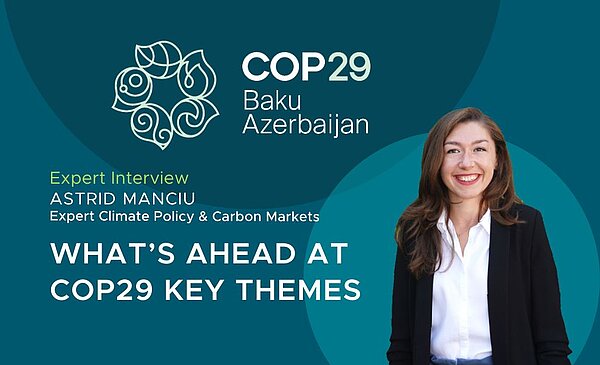
COP29 Kicks Off in Baku: Paving the Way for Decisive Climate Action

FORLIANCE's Astrid Manciu shares insights on the key themes and challenges at COP29.

COP29 starts now, marking the 29th…

Learn more
Expert Interviews

FORLIANCE and Gold Standard Launch Innovative Mangrove Management Methodology with Remote Sensing

FORLIANCE and Gold Standard Launch Innovative Mangrove Management Methodology with Remote Sensing ...

Learn more
Project Updates

Visiting the XiCO2e Durango Forest Project

We recently conducted a field visit to our XiCO2e Durango Forest Project and immersed in a world of sustainability,…

Learn more
Project Updates

Re-Spire Westerwald Achieving Change: Planting Seeds of a Sustainable Future

Situated in the Rhineland-Palatinate region of Germany, the Westerwald is renowned for its scenic beauty, which has…

Learn more
Latest Updates

Launch of Sustainable Mangrove Methodology by FORLIANCE and Gold Standard

FORLIANCE is thrilled to spotlight a significant milestone in our conservation efforts: the development of a groundbreaking…

Learn more
Expert Interviews

COP 28 Outcomes: Expert Insights from FORLIANCE’s Astrid Manciu

In the ongoing battle against climate change, the Conference of the Parties (COP) serves as a critical forum for global…

Learn more
Project Updates

XiCO2e makes history as the first FSC group certified carbon project

Quintana Roo, December 1, 2023. The presence of the Forest Stewardship Council in Mexico dates back to its founding in…

Learn more
Project Updates

Progress in Germany’s First Certified Carbon Project –“Re-Spire“

The advancements of the groundbreaking carbon project, Re-Spire, in the Westerwald region were deliberated this week at…

Learn more
Expert Interviews

What to expect at COP28 – Interview with FORLIANCE CEO Dirk Walterspacher

The COP28 will take place this year from 30 November to 12 December 2023 at Expo City in Dubai, United Arab Emirates (UAE).…

Learn more
Alliances

A road to climate action: Interview with the Head of Sustainability at Autobahn GmbH

Autobahn GmbH has set itself ambitious goals in terms of environmental protection and social responsibility. FORLIANCE…

Learn more
Project Updates

Safeguarding Colombia’s natural treasures and empowering communities

Back in 2018, FORLIANCE joined forces with four Colombian organizations to compete for an international tender. Winning the…

Learn more
Alliances

Determined football players are on the forefront of climate advocacy

Real change and effective commitment to improving our ecological future will only happen when we’re all on board. Morten…

Learn more
Project Updates

Auditing the XiCO2e Project in Southeastern Mexico

In a significant stride towards sustainable forest management and climate change mitigation, our Improved Forest Management…

Learn more
Alliances

Learn how the passion for football can restore tropical forests

Addressing climate change is a collective responsibility. It requires immediate collaborative efforts to find sustainable…

Learn more
Project Updates

Norteak Group’s Reforestation Project in Nicaragua: A model for ecological connectivity and social responsibility

Step into the lush green forests of Nicaragua, where a groundbreaking project is restoring degraded grasslands through…

Learn more
Climate Strategy & Policy

Understanding the Latest ESG Policy Changes: What You Need to Know

Environmental, Social, and Governance (ESG) criteria have become an increasingly critical aspect of investing and corporate…

Learn more
Climate Strategy & Policy

Why Investing in Sustainability is a Smart Business Move

In today’s world, investing in sustainability is no longer just a matter of social responsibility – it’s also a smart…

Learn more
Project Updates

How Indigenous Knowledge and Community Partnerships are Key to Climate Forestry

Julian Ekelhof, Climate Solutions Senior Director at FORLIANCE, recently visited the XiCoe project area in the Durango…

Learn more
Project Updates

Ivory Coast forest restoration project

The forest restoration project in the Ivory Coast is developing in great strides. Our Nature Based Solutions Senior…
Learn more
Project Updates

Caribbean and Pacific, two regions, united by the dream and power of conservation

In terrestrial, marine and coastal ecosystems of the Caribbean and Pacific of Colombia, FORLIANCE together with four…

Learn more
Latest Updates

Methodology for Biochar Utilization in Soil and Non-Soil Applications is Verra Approved

Learn more
Project Updates

Reddes Locales – Sustainable community forest management in Guatemala

Community forestry has existed in Guatemala since ancient times. Forests and trees have always been part of local…
Learn more
Statements

ICROA’s response to Financial Times article on the voluntary carbon market

As ICROA accredited organization FORLIANCE works side by side with all ICROA accredited carbon management and offset…

Learn more
Project Updates

XiCO – Protecting forests and empowering local Ejidos

FORLIANCE is developing a community-based forestry project. Together with our partner AlaBoOL, we are working on improving…

Learn more
Alliances Project Updates

Making sustainable chocolate the norm – forest restoration in Côte d’Ivoire with Barry Callebaut

Barry Callebaut is committed to make sustainable chocolate the norm by 2025, which includes a commitment to be forest and…

Learn more
Project Updates

10-year Sodo and Humbo project anniversary with World Vision Australia

Over the past ten years of cooperation between World Vision Australia and FORLIANCE, we’ve marked multiple milestones…

Learn more
Project Updates

Re-Spire launched its Carbon Sales

FORLIANCE and Salm – Salm & Partner’s joint venture Re-Spire is entering its next phase.

Learn more
Alliances

Making football carbon neutral – VfL Wolfsburg opens up about the football club’s climate journey

Recent climate reports show that we urgently need to step up our efforts to mitigate climate change. We are already seeing…

Learn more
Latest Updates

FORLIANCE at the COP26 Action Hub presenting Blue Carbon

The COP26 is an important milestone in our journey towards reaching net-zero by mid-century and our battle against the…

Learn more
Latest Updates

FORLIANCE is ICROA approved

We are extremely honoured to announce that FORLIANCE is now approved by ICROA! As new ICROA Approved Organisation we are…

Learn more
Latest Updates

FORLIANCE is developing a Sustainable Mangrove Management Methodology together with Gold Standard

Mangroves belong to the world’s most essential ecosystems and yet they have long been one of the earth’s most threatened…

Learn more
Project Updates

Bringing high-quality climate protection initiatives to Germany

Over the past 20 years, FORLIANCE has assisted over 1,500 companies to navigate and operate in the international carbon…

Learn more
Alliances Project Updates

FORLIANCE is supporting Rewilding Europe in making Europe a wilder place

We are supporting Rewilding Europe in making Europe a wilder place, with more space for wild nature, wildlife and natural…

Learn more
Latest Updates

New year, new look, continued commitment for climate action

We are excited to operate under our new company name FORLIANCE! Empowered by the changes around us and our growing team we…

Learn more
Statements

We need all hands on deck – Comment on the DER SPIEGEL article „Das Millionengeschäft mit den Klimabäumen“

The German weekly SPIEGEL published in a recent edition an article reporting that planting trees and building forests to…

Learn more
Latest Updates

Development of new GHG accounting methodology for biochar

A consortium of experts including FORLIANCE, BiocharWorks and South Pole has been selected by Verra to help develop a…

Learn more