What’s Growing in Darién: Forests, Futures, and Verified Climate Impact

July 25, 2025
Project Updates

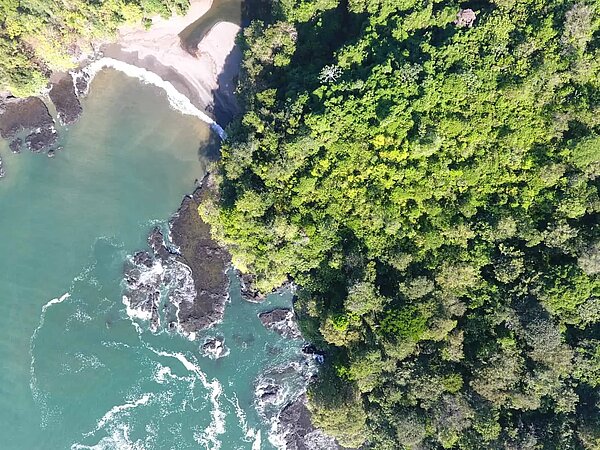
In the heart of Panama's Darién province, where rich biodiversity collides with mounting environmental pressures, a bold climate initiative is proving that forests can be a catalyst for much more than just carbon sequestration. The Panama Tropical Reforestation Project, officially certified under the Gold Standard, is not only restoring degraded lands but also revitalizing rural economies, empowering communities, and preserving local biodiversity. With over 2,877 hectares under management -1,602 hectares of climate-resilient reforestation activities and 624 hectares designated as conservation areas - this pioneering project represents a new model for climate finance: one that delivers measurable social and environmental impact while uplifting one of the most vulnerable and underserved regions in Panama. 
A Region at a Crossroads: Why Darién Matters

Darién is one of the last truly wild frontiers in Central America, a vast, sparsely populated province where tropical rainforests meet indigenous cultures, smallholder farms, and livestock-dominated landscapes. It forms the southernmost bridge between North and South America, part of the famous Darién Gap. Yet, for all its ecological wealth, the region faces enormous social and economic challenges. High poverty rates, limited infrastructure, and a lack of basic services plague many of its communities.

The decision to launch the project in Darién was not only ecological but also ethical. By focusing reforestation efforts here, on lands previously degraded by cattle grazing, the project aims to reverse a historical pattern of exploitation and exclusion. Restoring these landscapes is not just about planting trees; it's about building hope, restoring dignity, and creating sustainable alternatives for generations to come.

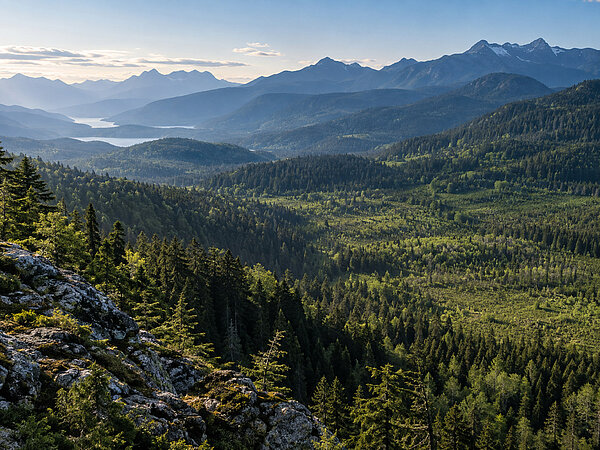
In addition, Darién’s location within the Tumbes-Chocó-Magdalena biodiversity hotspot underscores its global importance. It is home to unique, diverse, and endangered flora and fauna, many of which rely on fragmented forests for survival. The project contributes directly to landscape-level connectivity and resilience. 

From Wasteland to Forest: Sustainable Timber with a Purpose

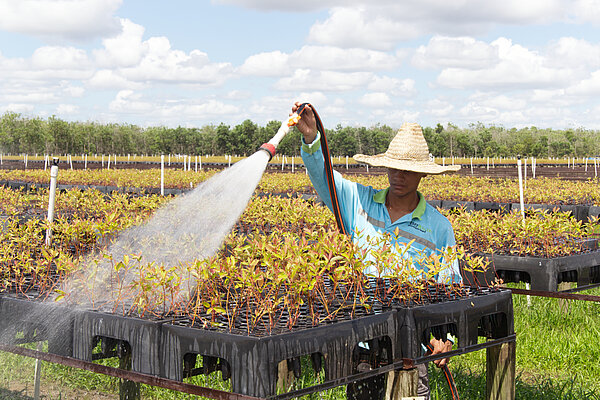
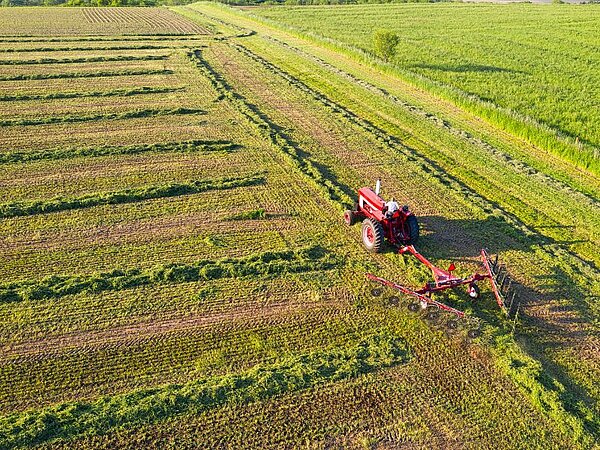
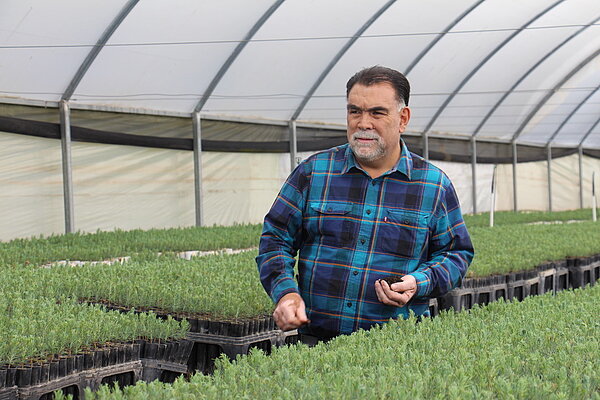
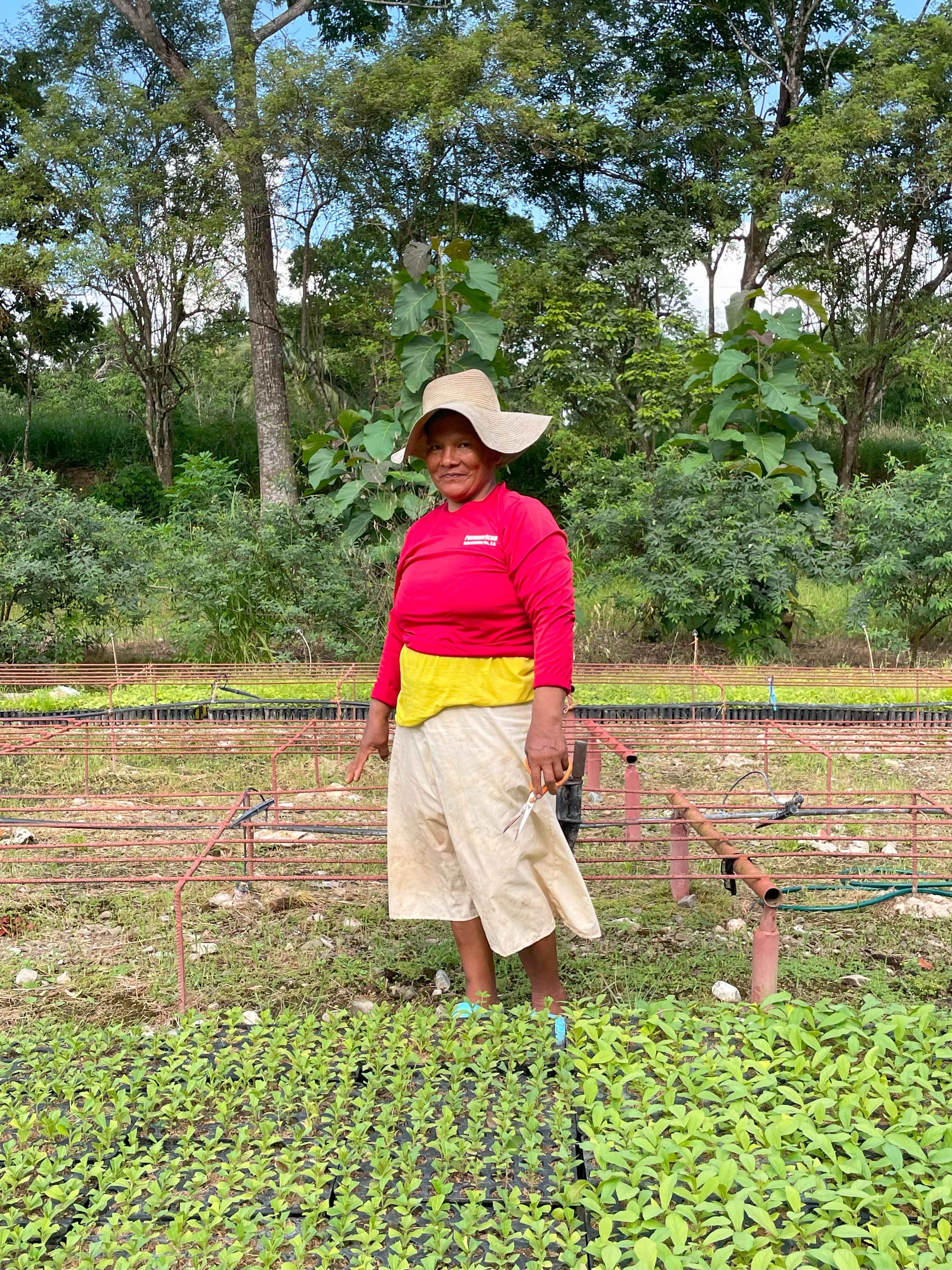
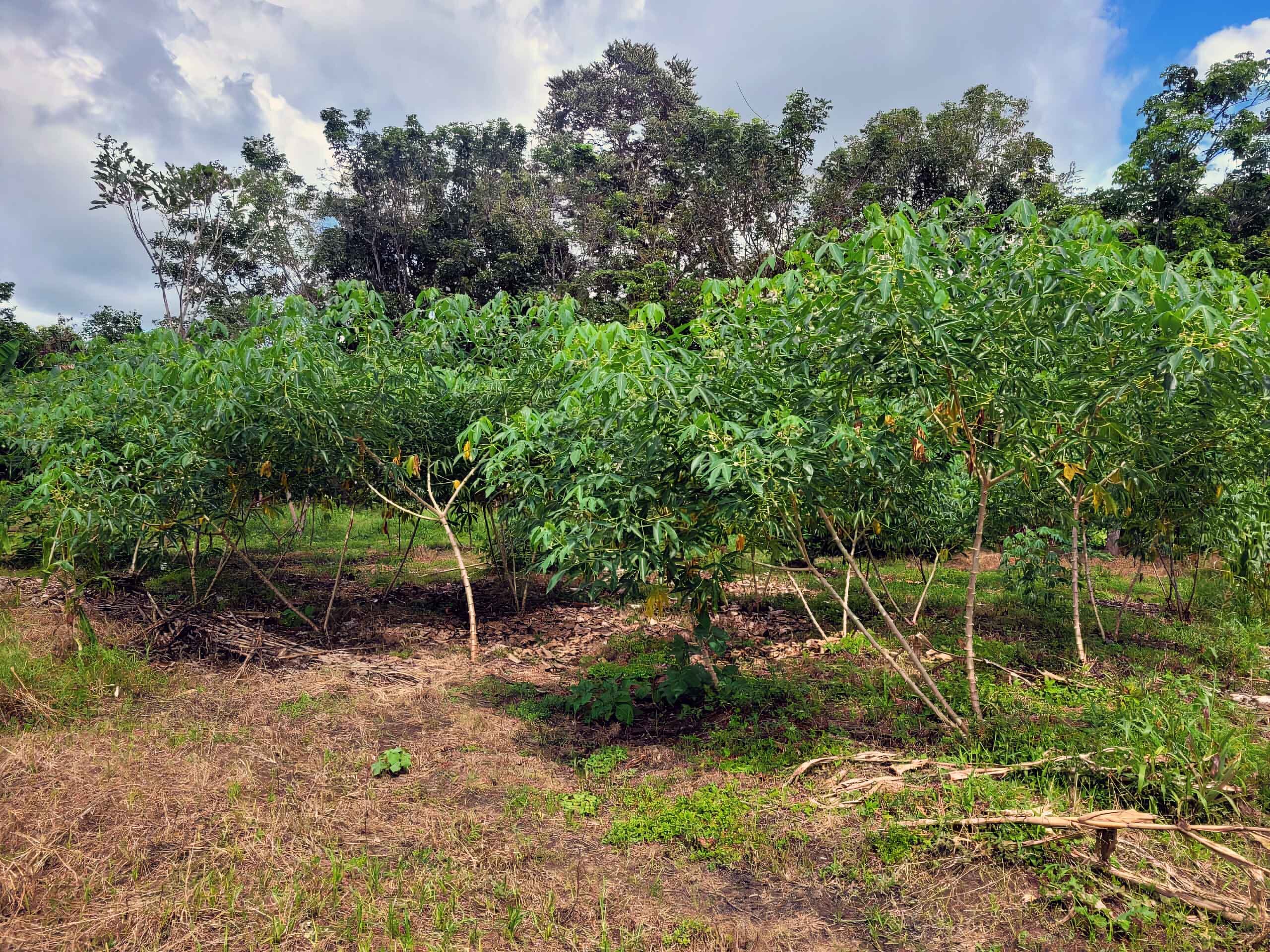
The reforestation strategy employs teak (Tectona grandis L.), a species carefully chosen for its adaptability, disease resistance, and commercial viability. While teak is not native to Panama, it has been widely cultivated in Latin America for decades and provides a pragmatic pathway to generate early and stable income that supports long-term project sustainability.

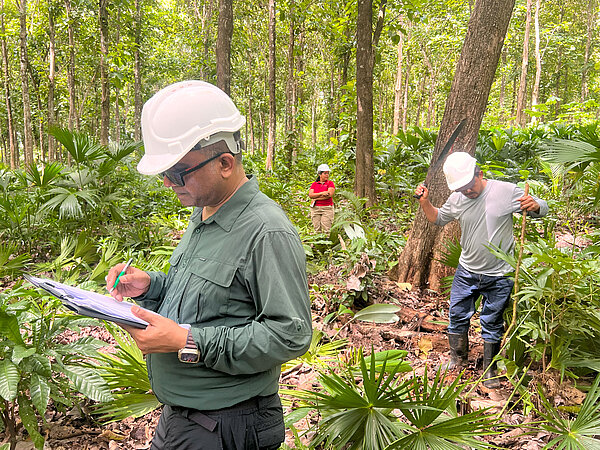
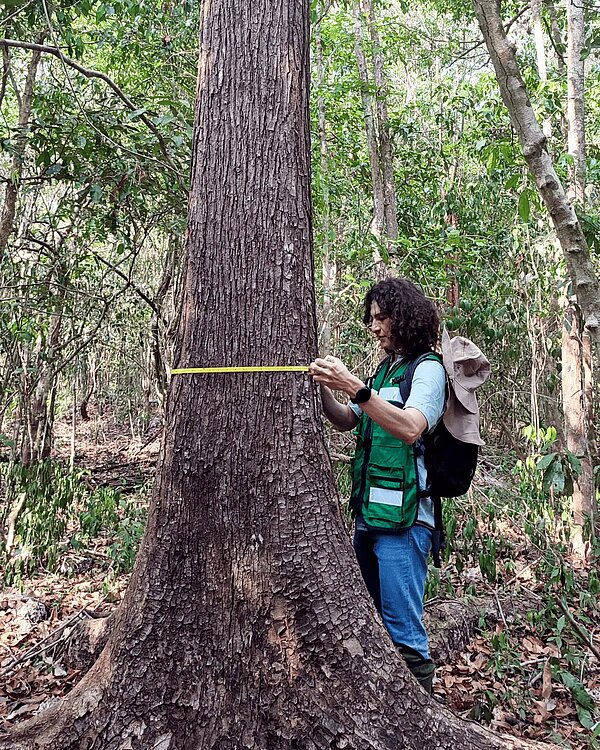
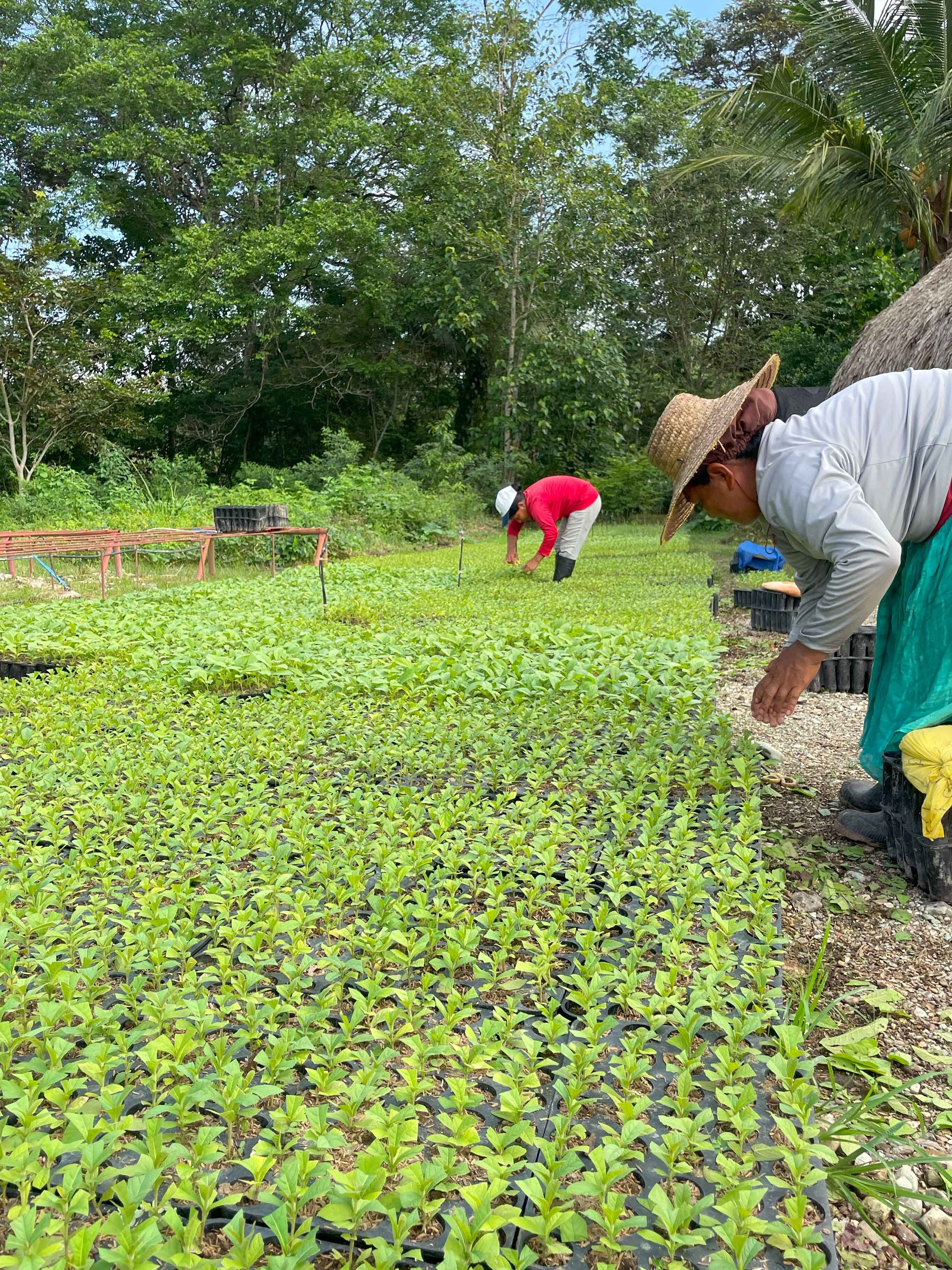
This income is not extracted from nature but reinvested into it. Timber revenues fund conservation activities, employee wages, community programs, and infrastructure development. Approximately 790,000 teak trees have been planted, with careful spacing and maintenance to ensure optimal growth and minimal ecological disruption. Moreover, over 10,000 cocobolo (Dalbergia retusa) trees, a precious and threatened native hardwood, have been introduced into the reforested areas to diversify the landscape and preserve genetic resources.

The integration of forest conservation zones (representing over 21% of the project area) is a testament to the project's holistic vision. These conservation corridors link remnant natural forests and waterways, allowing animals and seed dispersers to move freely and regenerate the land naturally. FSC certification ensures that forestry practices meet global standards for environmental stewardship and worker rights. 

Carbon Sequestration and Beyond: Quantifying Climate Impact

Climate change mitigation is a central pillar of the project. With an average annual carbon removal potential of 12,007t CO2e, the project is expected to sequester more than 504,294 t CO2e over its 45-year crediting period. These credits are real, additional, and third-party verified, adding crucial integrity to the voluntary carbon market.

But what makes this project stand out is how carbon revenue is used: not just to offset emissions elsewhere, but to build climate resilience locally. Revenue flows are transparently reinvested into education, health, biodiversity monitoring, and rural infrastructure. This model turns carbon markets into engines of justice, not just metrics of mitigation.

The use of Gold Standard methodologies ensures not only environmental credibility but also socio-economic rigor, accounting for job creation, education access, and gender equity. 

Empowering Communities: Livelihoods, Inclusion, and Education

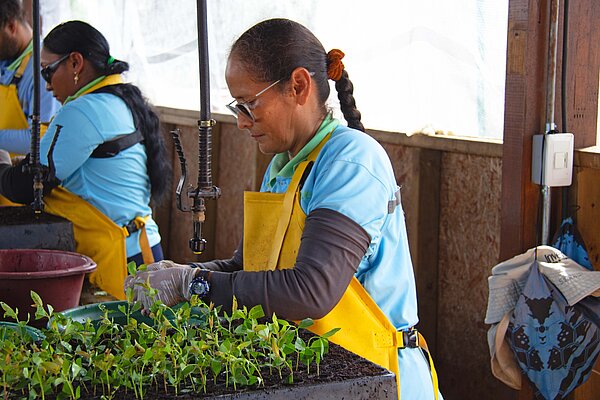
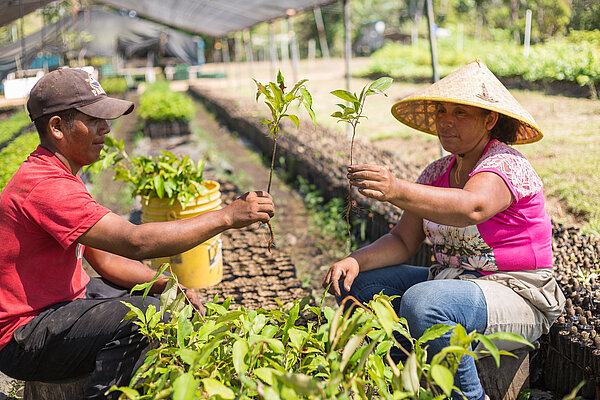
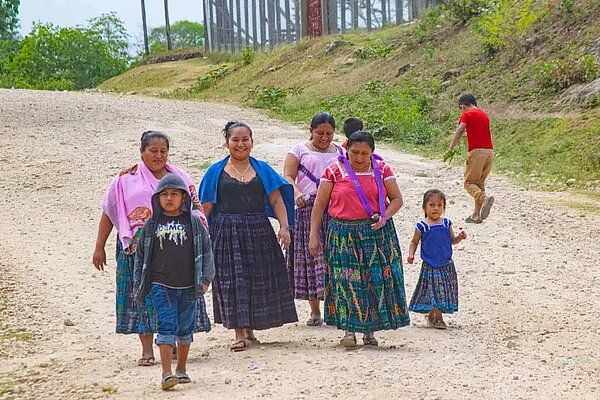
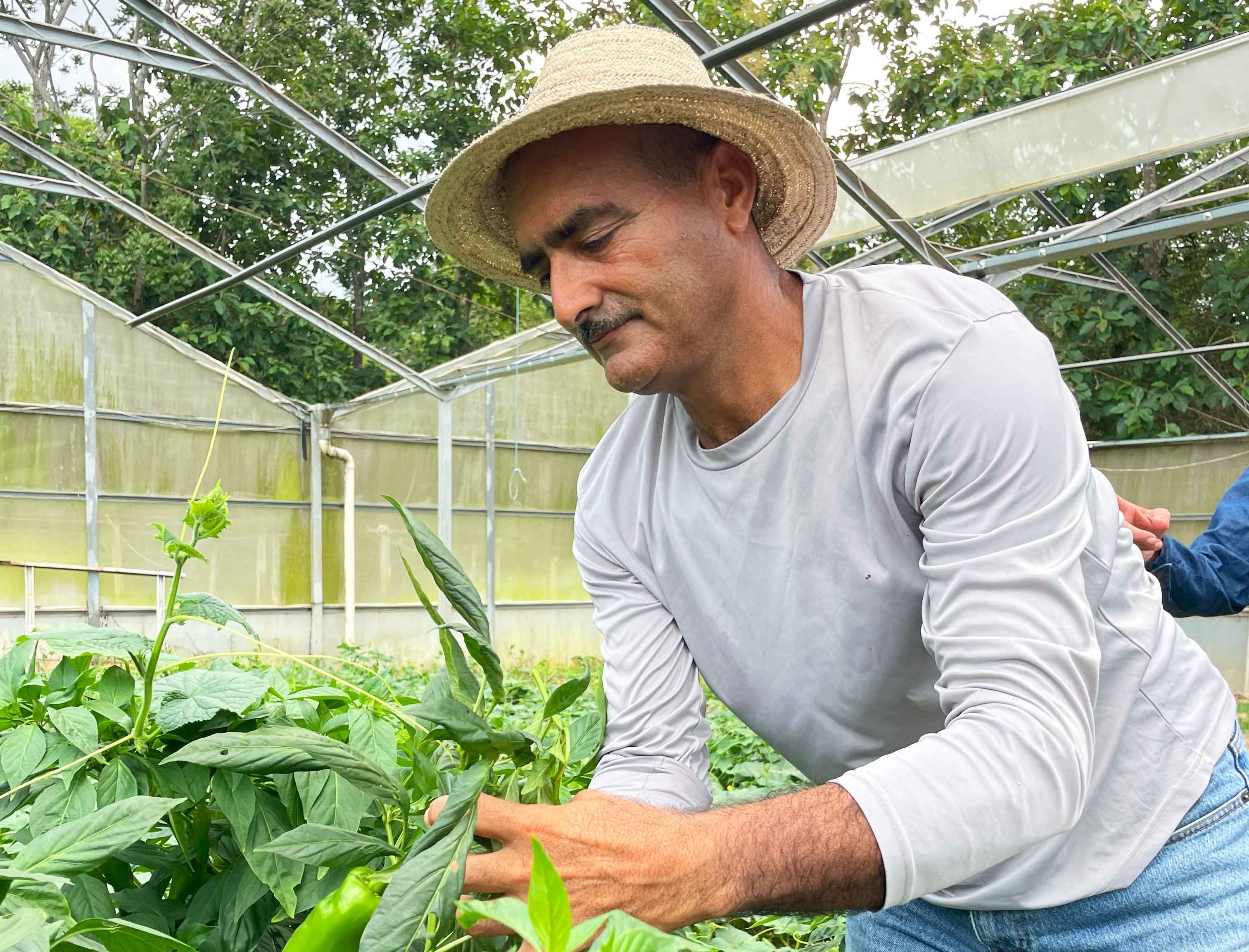
Social upliftment is at the heart of this project. It creates 97 jobs for individuals who were previously under- or unemployed and offers seasonal positions to many more during peak planting seasons. These roles are not merely temporary; they are dignified, fairly compensated jobs that come with training, safety gear, and growth opportunities. Women’s empowerment is especially notable - 25 women, most of them heads of household, are employed across roles from nursery management to data auditing. The story of one woman’s rise from a field worker to a team supervisor speaks volumes about the project's dedication to breaking gender barriers in a traditionally male-dominated sector.

Educational outreach has become a long-term investment in human capital. More than 94 training sessions have been held on topics ranging from agroforestry and digital literacy to environmental law and health. These are designed not only to support the project's success but also to give workers and local residents tools to thrive independently. Academic partnerships offer further engagement: students from national universities are conducting thesis research and gaining field experience, with some being hired into technical positions after completing their studies. This growing ecosystem of local expertise ensures that knowledge and opportunity remain in the region. 
Food, Health, and Community Well-being

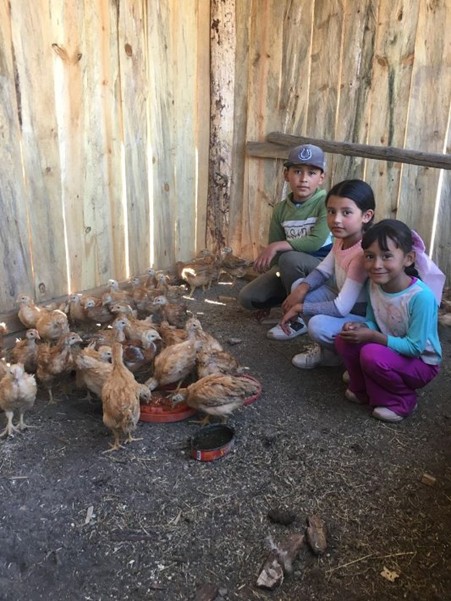
Poverty and malnutrition are harsh realities in Darién. That’s why the project has expanded its scope to include targeted social interventions in collaboration with local NGOs. A nutrition program supports 24 children in two villages, providing them with regular meals, dental care, and growth monitoring.

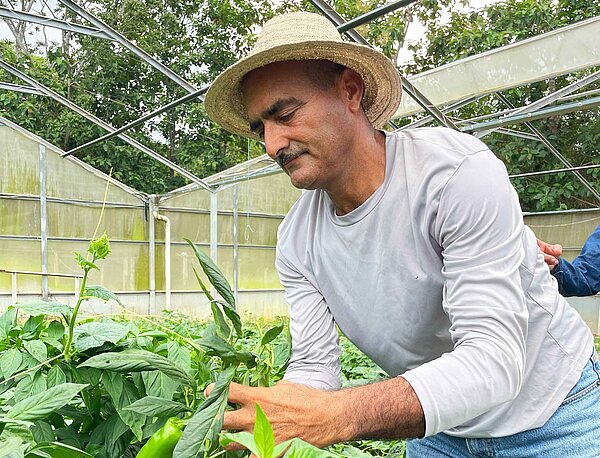
The creation of community gardens in schools not only improves food security but also enhances curriculum delivery. Students grow vegetables, grains, and fruit that are then used in school meals. These living classrooms foster a culture of self-reliance and ecological awareness from a young age.

Parents also benefit: workshops teach water purification, breastfeeding techniques, meal planning, and hygiene. These seemingly small improvements have outsized ripple effects, lowering disease risk, improving childhood development, and empowering mothers.

The health of a forest is mirrored in the health of its people. This project addresses both. 
Connecting People, Forests, and Markets: Infrastructure Investment

In rural Panama, infrastructure often makes the difference between isolation and opportunity. The project has invested in seven gravel roads and several large bridges, dramatically improving access between villages, forest plots, and regional markets.

These upgrades aren’t just about transport - they’re about connectivity. Workers can now reach jobs reliably. Children can get to school safely. Farmers can bring produce to market without losing profit to transit delays.

Efficient transport also reduces operational costs, making reforestation scalable and replicable. As forest plots mature and timber revenues grow, the same infrastructure will serve to move sustainably harvested wood in a responsible supply chain. 

Conserving Biodiversity in a Working Landscape

Many reforestation projects focus solely on planting trees, but the Panama Tropical Reforestation Project embeds conservation science at its core, treating biodiversity as an essential pillar of landscape restoration. The project has dedicated over 624 hectares to conservation areas and native vegetation corridors, which not only preserve habitat but also enable wildlife movement and ecosystem functionality.

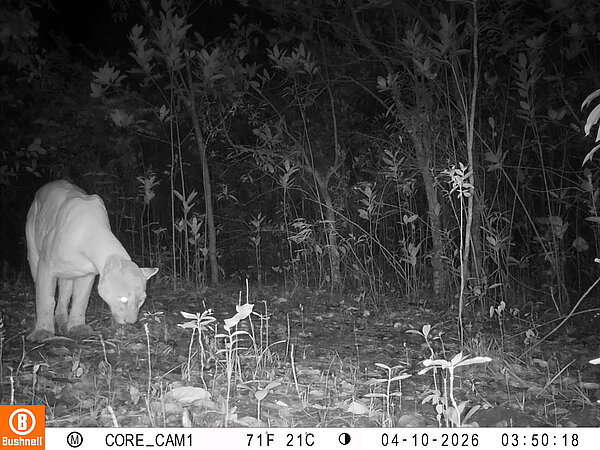
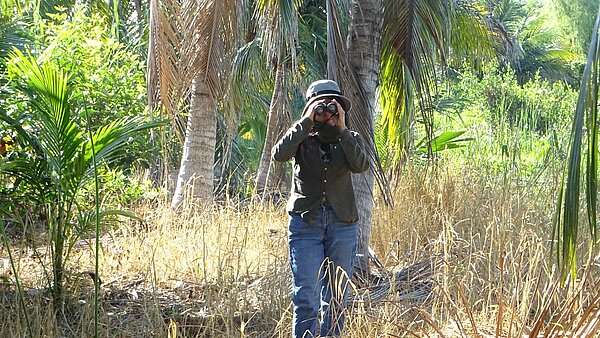
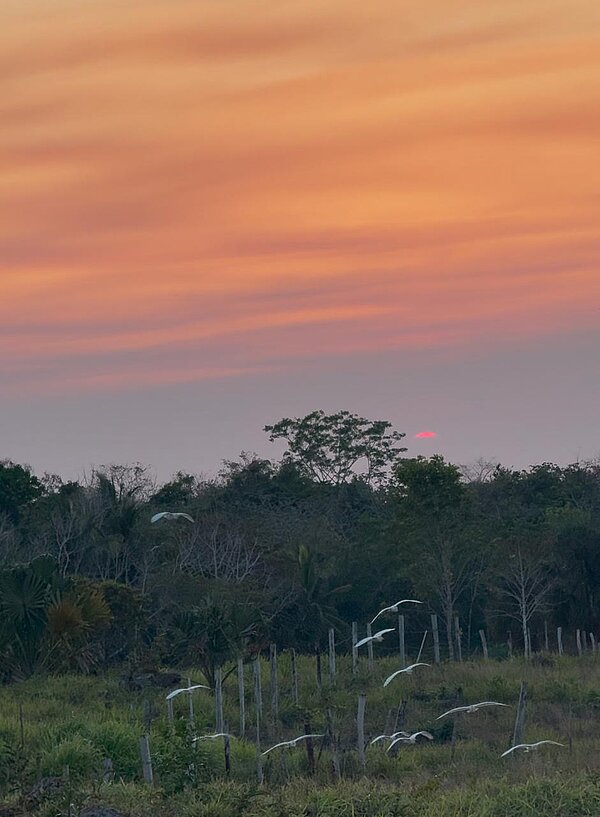
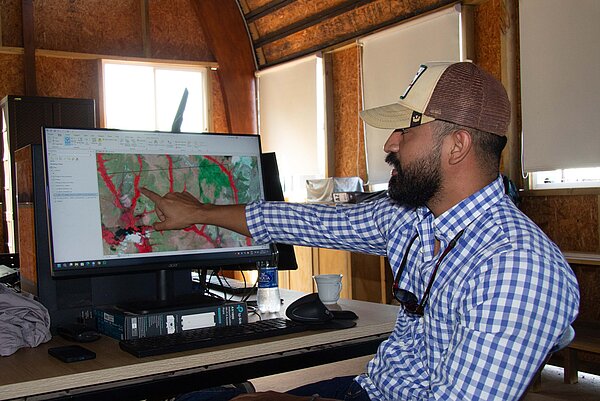
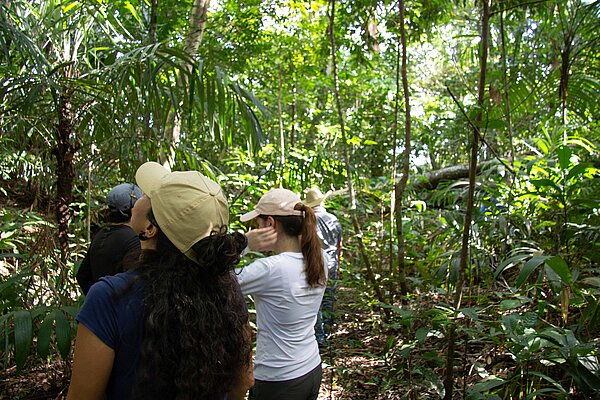
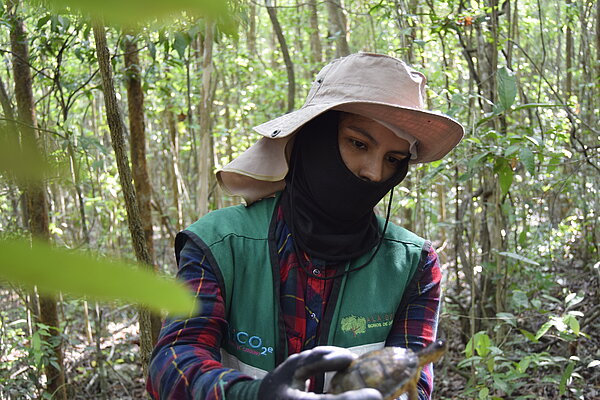
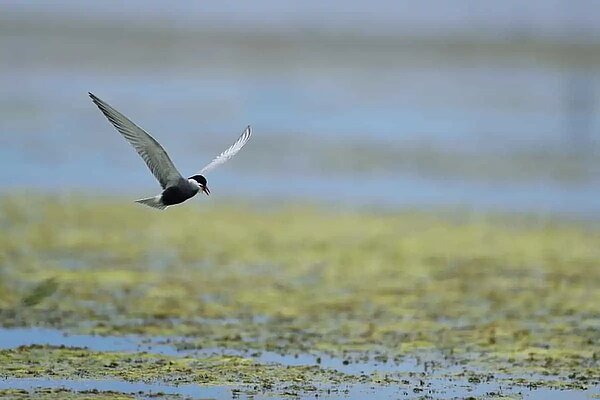
A robust biodiversity monitoring program underpins this effort. As mentioned above, a total of 19 camera traps have been strategically installed throughout the conservation and reforested zones to capture data on species presence, behavior, and movement corridors over time. Camera traps deployed across conservation and reforested zones continuously collect data on species presence, movement patterns, and trophic interactions. These automated monitoring tools have confirmed the presence of a diverse array of species, including eight native mammals, 18 bird species, and several reptiles, amphibians, and insects.

Species documented include howler monkeys (Alouatta palliata), white-tailed deer (Odocoileus virginianus), Hoffmann’s two-toed sloths (Choloepus hoffmanni), tayras (Eira barbara), and elusive jaguarundis (Herpailurus yagouaroundi). Their presence is a promising indicator of restored canopy connectivity and reduced fragmentation. Avifauna such as crimson-backed tanagers, mealy parrots (Amazona farinosa), and red-lored parrots (Amazona autumnalis) contribute actively to seed dispersal, while frugivorous bats and various pollinator insects help maintain ecological equilibrium.

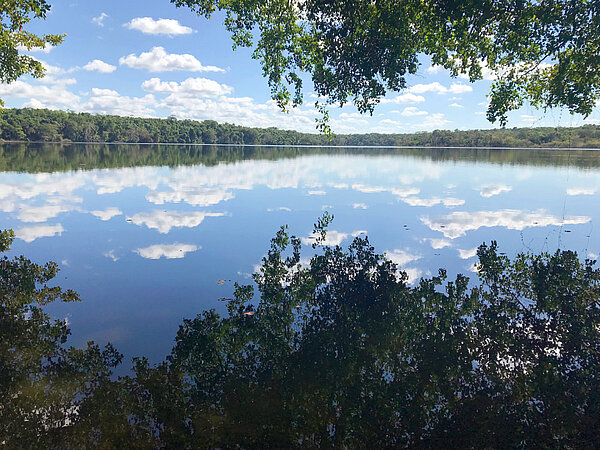
The arthropod community, which includes dragonflies, antlions, beetles, wasps, and decomposer fungi, plays a crucial role in nutrient cycling and soil health. These species are sensitive to environmental conditions, and their abundance indicates a functional and maturing ecosystem. Furthermore, the presence of complete trophic chains and diverse taxa signifies a landscape of high conservation value. Hydrological protection is another core ecological service. Riparian buffers along rivers and streams are maintained and restored, shielding waterways from sedimentation, erosion, and chemical runoff. These zones also serve as ecological corridors and refuges for water-dependent flora and fauna.

By integrating native conservation strategies into a commercial forestry operation, the project demonstrates that ecological integrity and economic productivity are not mutually exclusive. It offers a living example of how reforestation, when guided by sound science, can enhance biodiversity while generating long-term climate and livelihood benefits. 
Beyond Carbon: A Call for Purpose-Driven Finance

The Panama Tropical Reforestation Project is more than just a forest carbon initiative - it is a lifeline for a region too often left behind. Aligning ecological restoration with inclusive development, it offers a rare opportunity for impact investors, corporate buyers, and governments to support a project that delivers verifiable climate action alongside transformational co-benefits.

This is the future of carbon markets: locally grounded, socially just, and ecologically sound. Investing in such projects not only removes emissions, it also drives a regenerative economy that heals land, lifts lives, and leaves a legacy.

Partner with us to drive climate action that works for forests, for communities, and for the future. 

STAY UPDATED

LATEST NEWS AND INSIGHTS

Project Updates

From Carbon Finance to Community Impact: XiCO2 Progress in Durango

In October 2025, the FORLIANCE team traveled to Durango for an in-depth visit across the ejidos that are part of the …

Learn more
Project Updates

Vichada Regenera: A High-Integrity ARR Investment Opportunity in Colombia

Vichada Regenera is FORLIANCE’s latest large-scale Afforestation, Reforestation, and Revegetation (ARR) initiative and a…

Learn more
Project Updates

Building Equality in Vichada: The Women’s Circle Project

On the edges of Colombia’s vast savannah, women who once saw few prospects are now leading conversations, projects, and…

Learn more

Chickens for San José: How Carbon Finance Makes a Difference on the Ground

The XiCO₂e: Durango Forest Project protects over 270,000 hectares of forest in the Sierra Madre Occidental, but its impact…

Learn more
Climate Strategy & Policy Alliances Statements

EU Climate Policy in Flux: What It Means for Corporate Sustainability Strategy

The EU’s climate policy landscape is shifting rapidly. The Green Claims Directive (GCD) has stalled, the Corporate…

Learn more
Project Updates

From Hurricane Recovery to Climate Action: The XiCO2e Mexican Peninsula Project

In 2007, Hurricane Dean struck the Yucatán Peninsula with winds exceeding 270 km/h, devastating thousands of hectares of…

Learn more
Alliances Project Updates

XICO2e: Climate Impact, Rooted in Mexico

XICO2e is our joint venture with Ala-boOl. It connects companies with high-quality, independently verified forest carbon…

Learn more
Climate Strategy & Policy

The Compliance Shift: Why Smart Companies Turn to Nature-Based Credits

As net-zero targets tighten and carbon pricing mechanisms expand, companies are navigating a shifting compliance landscape.…

Learn more
Climate Strategy & Policy Alliances

The ICROA Code of Best Practice: What It Is and Why It Matters

As an ICROA-approved organization, FORLIANCE is committed to internationally recognized best practices in voluntary carbon…

Learn more
Climate Strategy & Policy

Navigating FLAG and Agricultural GHG Emissions: How Businesses Can Prepare

Land-based emissions from agriculture and forestry are gaining unprecedented importance as companies face growing…

Learn more
Project Updates

What’s Growing in Darién: Forests, Futures, and Verified Climate Impact

In the heart of Panama's Darién province, where rich biodiversity collides with mounting environmental pressures, a bold…

Learn more
Project Updates

Capturing the Life of the Yucatán Jungle: Documenting a Biodiversity Baseline

Dawn breaks in the tropical forests of Quintana Roo, Mexico. A chorus of bird calls echoes through the canopy as shafts of…

Learn more
Alliances

Committed to Climate Integrity through ICROA

Since 2021, FORLIANCE has been a proud member of the International Carbon Reduction and Offsetting Alliance (ICROA),…

Learn more
Project Updates

Key Insights from the Latest Tropical Mix Impact Report

What happens after a 30-year carbon project issues its final credit? The latest Tropical Mix Impact Report reveals how…

Learn more
Climate Strategy & Policy

From Green Claims to Carbon Removals: Navigating New EU Climate Rules for Corporate Climate Action

European climate policy is entering a new era – and corporate climate action leaders need to be prepared. The European…

Learn more
Project Updates

Tropical Mix: A 30-Year Journey of Hope, Forests, and Futures

In 1995, nestled in the heart of Panama, a bold vision took root, one that would grow into a living legacy of reforested…

Learn more
Project Updates

Stopping Fires Before They Spread – XiCO2e Durango’s Forest Protection Strategy

Wildfires are one of the biggest threats to forest ecosystems—and the climate benefits they provide. In the Sierra Madre…

Learn more
Project Updates

How a School Podcast Grew into a Community Bridge

Among the many positive outcomes of the Vichada Climate Reforestation Project, one particularly personal and powerful story…

Learn more
Project Updates

Re-Spire: Restoring Resilience to Germany’s Forests

Climate change is taking a toll on Germany’s forests. The Re-Spire project, launched in 2019, responds with a science-based…

Learn more
Project Updates

Bolsa Común: The Heart of Community-Led Finance in the XiCO2e Durango Project

Developed through a strong alliance between FORLIANCE GmbH, AlaBoOl, and the participating Ejidos, the Bolsa Común…

Learn more
Project Updates

How a Mexican Community Revived Its Mangroves

In the heart of Tabasco, Mexico, a community once faced with environmental degradation is now setting an example for…

Learn more
Climate Strategy & Policy

Mangrove Restoration as a Blue Carbon Solution for Ports and Shipping

Ports and shipping companies are facing mounting pressure to reduce emissions, improve water quality, and meet rising…

Learn more
Project Updates

A Closer Look at the Vichada Carbon Project: Highlights from Our December 2024 Visit

The Vichada Carbon Project is a model for sustainable climate action, blending reforestation, biodiversity protection, and…

Learn more
Expert Interviews

COP29 Kicks Off in Baku: Paving the Way for Decisive Climate Action

FORLIANCE's Astrid Manciu shares insights on the key themes and challenges at COP29.

COP29 starts now, marking the 29th…

Learn more
Expert Interviews

FORLIANCE and Gold Standard Launch Innovative Mangrove Management Methodology with Remote Sensing

FORLIANCE and Gold Standard Launch Innovative Mangrove Management Methodology with Remote Sensing ...

Learn more
Project Updates

Visiting the XiCO2e Durango Forest Project

We recently conducted a field visit to our XiCO2e Durango Forest Project and immersed in a world of sustainability,…

Learn more
Project Updates

Re-Spire Westerwald Achieving Change: Planting Seeds of a Sustainable Future

Situated in the Rhineland-Palatinate region of Germany, the Westerwald is renowned for its scenic beauty, which has…

Learn more
Latest Updates

Launch of Sustainable Mangrove Methodology by FORLIANCE and Gold Standard

FORLIANCE is thrilled to spotlight a significant milestone in our conservation efforts: the development of a groundbreaking…

Learn more
Expert Interviews

COP 28 Outcomes: Expert Insights from FORLIANCE’s Astrid Manciu

In the ongoing battle against climate change, the Conference of the Parties (COP) serves as a critical forum for global…

Learn more
Project Updates

XiCO2e makes history as the first FSC group certified carbon project

Quintana Roo, December 1, 2023. The presence of the Forest Stewardship Council in Mexico dates back to its founding in…

Learn more
Project Updates

Progress in Germany’s First Certified Carbon Project –“Re-Spire“

The advancements of the groundbreaking carbon project, Re-Spire, in the Westerwald region were deliberated this week at…

Learn more
Expert Interviews

What to expect at COP28 – Interview with FORLIANCE CEO Dirk Walterspacher

The COP28 will take place this year from 30 November to 12 December 2023 at Expo City in Dubai, United Arab Emirates (UAE).…

Learn more
Alliances

A road to climate action: Interview with the Head of Sustainability at Autobahn GmbH

Autobahn GmbH has set itself ambitious goals in terms of environmental protection and social responsibility. FORLIANCE…

Learn more
Project Updates

Safeguarding Colombia’s natural treasures and empowering communities

Back in 2018, FORLIANCE joined forces with four Colombian organizations to compete for an international tender. Winning the…

Learn more
Alliances

Determined football players are on the forefront of climate advocacy

Real change and effective commitment to improving our ecological future will only happen when we’re all on board. Morten…

Learn more
Project Updates

Auditing the XiCO2e Project in Southeastern Mexico

In a significant stride towards sustainable forest management and climate change mitigation, our Improved Forest Management…

Learn more
Alliances

Learn how the passion for football can restore tropical forests

Addressing climate change is a collective responsibility. It requires immediate collaborative efforts to find sustainable…

Learn more
Project Updates

Norteak Group’s Reforestation Project in Nicaragua: A model for ecological connectivity and social responsibility

Step into the lush green forests of Nicaragua, where a groundbreaking project is restoring degraded grasslands through…

Learn more
Climate Strategy & Policy

Understanding the Latest ESG Policy Changes: What You Need to Know

Environmental, Social, and Governance (ESG) criteria have become an increasingly critical aspect of investing and corporate…

Learn more
Climate Strategy & Policy

Why Investing in Sustainability is a Smart Business Move

In today’s world, investing in sustainability is no longer just a matter of social responsibility – it’s also a smart…

Learn more
Project Updates

How Indigenous Knowledge and Community Partnerships are Key to Climate Forestry

Julian Ekelhof, Climate Solutions Senior Director at FORLIANCE, recently visited the XiCoe project area in the Durango…

Learn more
Project Updates

Ivory Coast forest restoration project

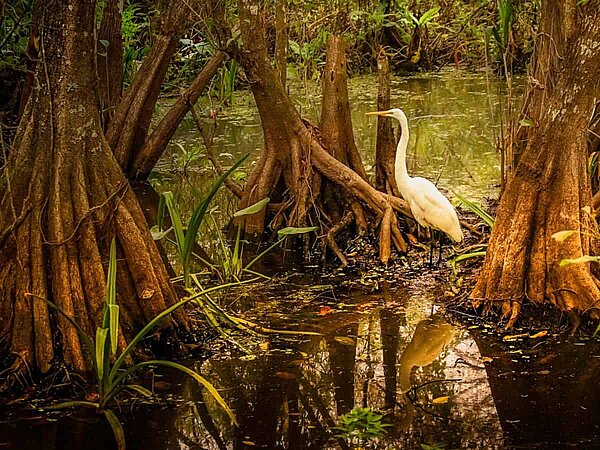
The forest restoration project in the Ivory Coast is developing in great strides. Our Nature Based Solutions Senior…
Learn more
Project Updates

Caribbean and Pacific, two regions, united by the dream and power of conservation

In terrestrial, marine and coastal ecosystems of the Caribbean and Pacific of Colombia, FORLIANCE together with four…

Learn more
Latest Updates

Methodology for Biochar Utilization in Soil and Non-Soil Applications is Verra Approved

Learn more
Project Updates

Reddes Locales – Sustainable community forest management in Guatemala

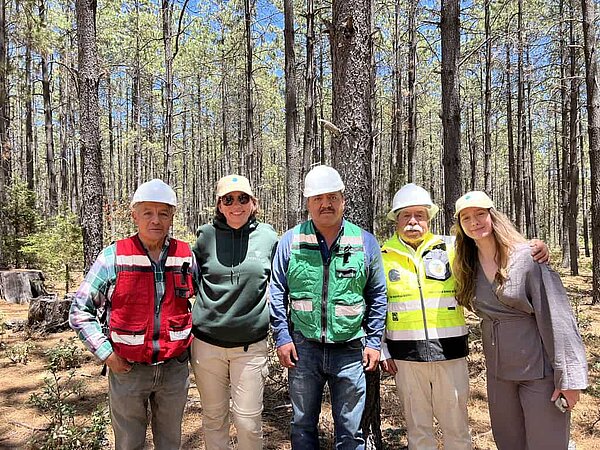
Community forestry has existed in Guatemala since ancient times. Forests and trees have always been part of local…
Learn more
Statements

ICROA’s response to Financial Times article on the voluntary carbon market

As ICROA accredited organization FORLIANCE works side by side with all ICROA accredited carbon management and offset…

Learn more
Project Updates

XiCO – Protecting forests and empowering local Ejidos

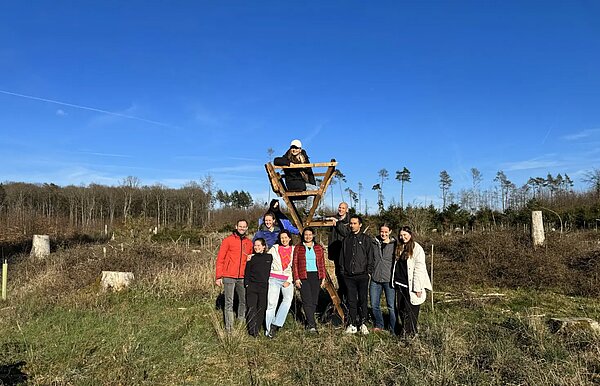
FORLIANCE is developing a community-based forestry project. Together with our partner AlaBoOL, we are working on improving…
Learn more
Alliances Project Updates

Making sustainable chocolate the norm – forest restoration in Côte d’Ivoire with Barry Callebaut

Barry Callebaut is committed to make sustainable chocolate the norm by 2025, which includes a commitment to be forest and…

Learn more
Project Updates

10-year Sodo and Humbo project anniversary with World Vision Australia

Over the past ten years of cooperation between World Vision Australia and FORLIANCE, we’ve marked multiple milestones…

Learn more
Project Updates

Re-Spire launched its Carbon Sales

FORLIANCE and Salm – Salm & Partner’s joint venture Re-Spire is entering its next phase.

Learn more
Alliances

Making football carbon neutral – VfL Wolfsburg opens up about the football club’s climate journey

Recent climate reports show that we urgently need to step up our efforts to mitigate climate change. We are already seeing…

Learn more
Latest Updates

FORLIANCE at the COP26 Action Hub presenting Blue Carbon

The COP26 is an important milestone in our journey towards reaching net-zero by mid-century and our battle against the…

Learn more
Latest Updates

FORLIANCE is ICROA approved

We are extremely honoured to announce that FORLIANCE is now approved by ICROA! As new ICROA Approved Organisation we are…

Learn more
Latest Updates

FORLIANCE is developing a Sustainable Mangrove Management Methodology together with Gold Standard

Mangroves belong to the world’s most essential ecosystems and yet they have long been one of the earth’s most threatened…

Learn more
Project Updates

Bringing high-quality climate protection initiatives to Germany

Over the past 20 years, FORLIANCE has assisted over 1,500 companies to navigate and operate in the international carbon…

Learn more
Alliances Project Updates

FORLIANCE is supporting Rewilding Europe in making Europe a wilder place

We are supporting Rewilding Europe in making Europe a wilder place, with more space for wild nature, wildlife and natural…

Learn more
Latest Updates

New year, new look, continued commitment for climate action

We are excited to operate under our new company name FORLIANCE! Empowered by the changes around us and our growing team we…

Learn more
Statements

We need all hands on deck – Comment on the DER SPIEGEL article „Das Millionengeschäft mit den Klimabäumen“

The German weekly SPIEGEL published in a recent edition an article reporting that planting trees and building forests to…

Learn more
Latest Updates

Development of new GHG accounting methodology for biochar

A consortium of experts including FORLIANCE, BiocharWorks and South Pole has been selected by Verra to help develop a…

Learn more