Through “the Eyes of the Jungle”: A Community Biodiversity Photo Contest in Mexico
March 11, 2026
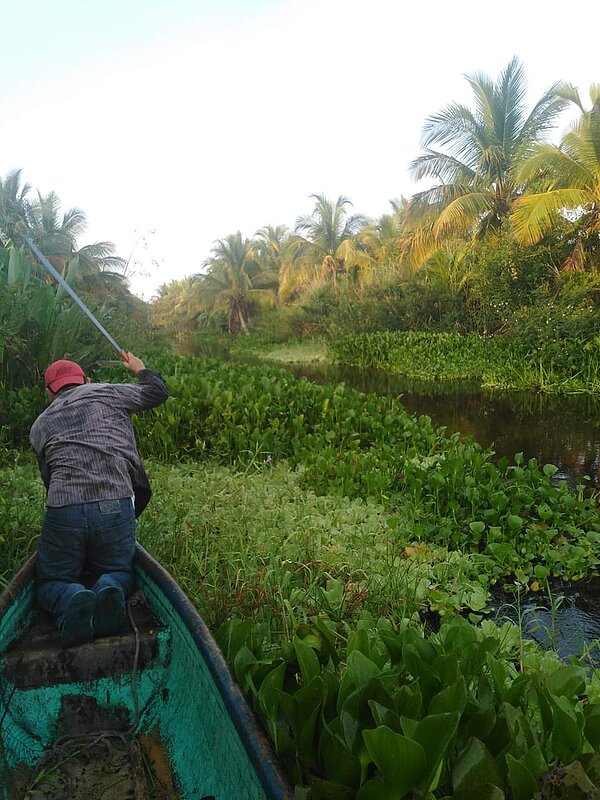
In 2025, the XiCO₂e: Mexican Peninsula Forest Project introduced Los Ojos de la Selva, translated as “The Eyes of the Jungle.”
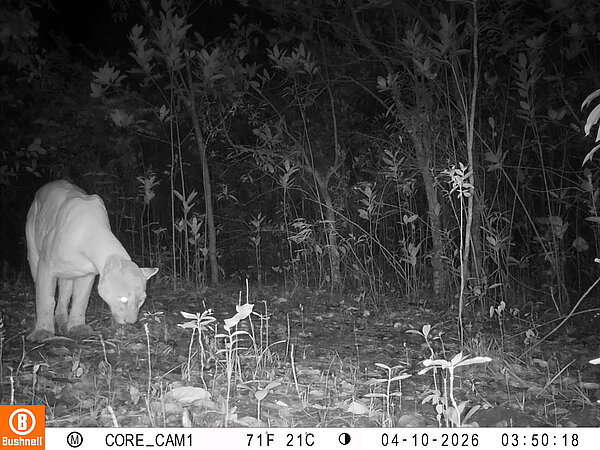
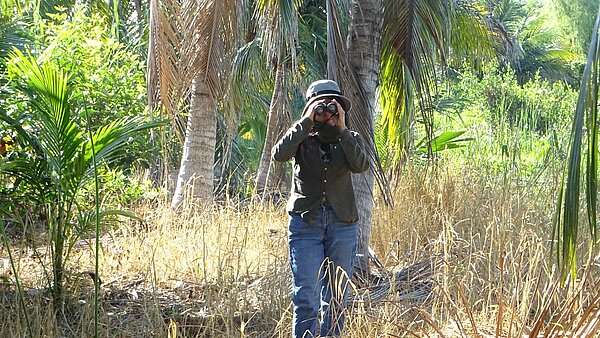
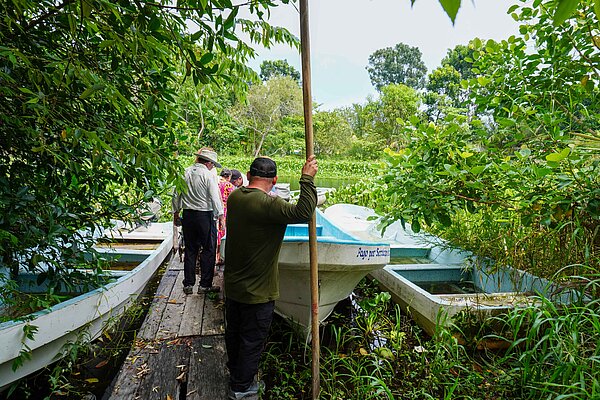
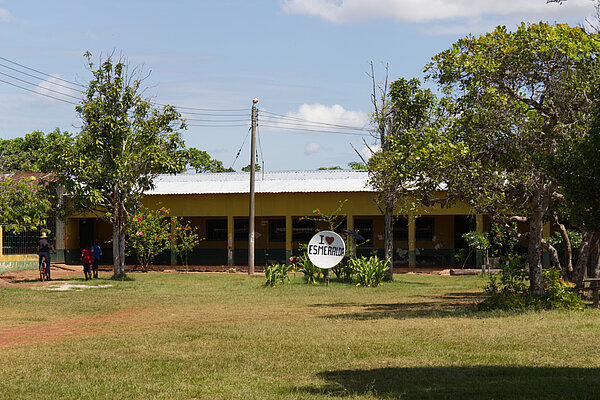
The community biodiversity photo contest invites ejidatarios in Noh Bec and Naranjal Poniente, located in Mexico’s Yucatán Peninsula, to capture the flora and fauna they encounter in their daily lives and to share the stories behind these moments.
Through their images and words, the forest becomes visible through the perspectives of those who live and work within it.
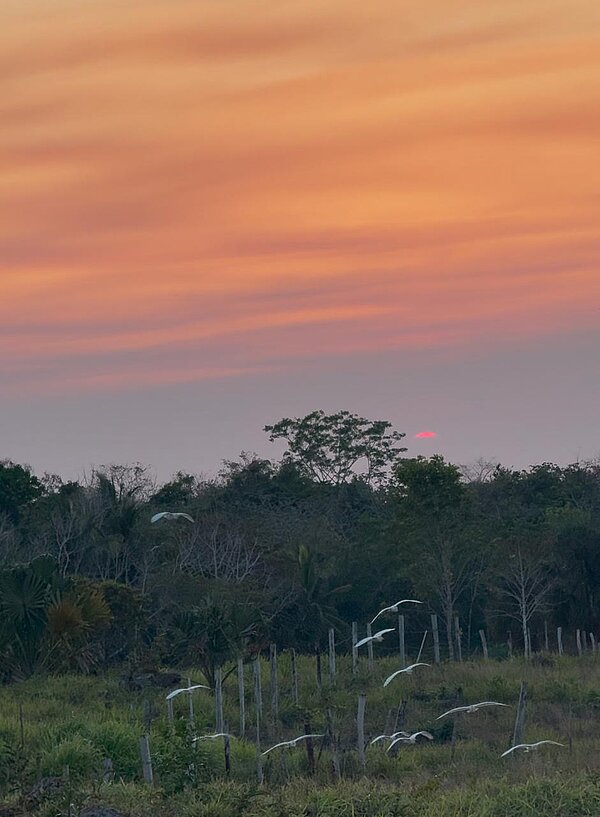
Many of the early submissions captured sunsets over the forest landscape, moments that reflect both the beauty of the environment and the close relationship between the communities and their surrounding forests.

A Landscape Seen from Within
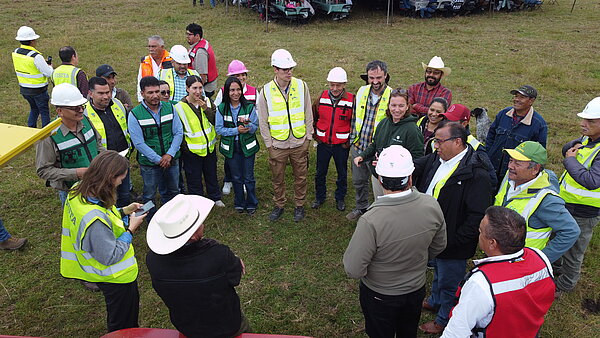
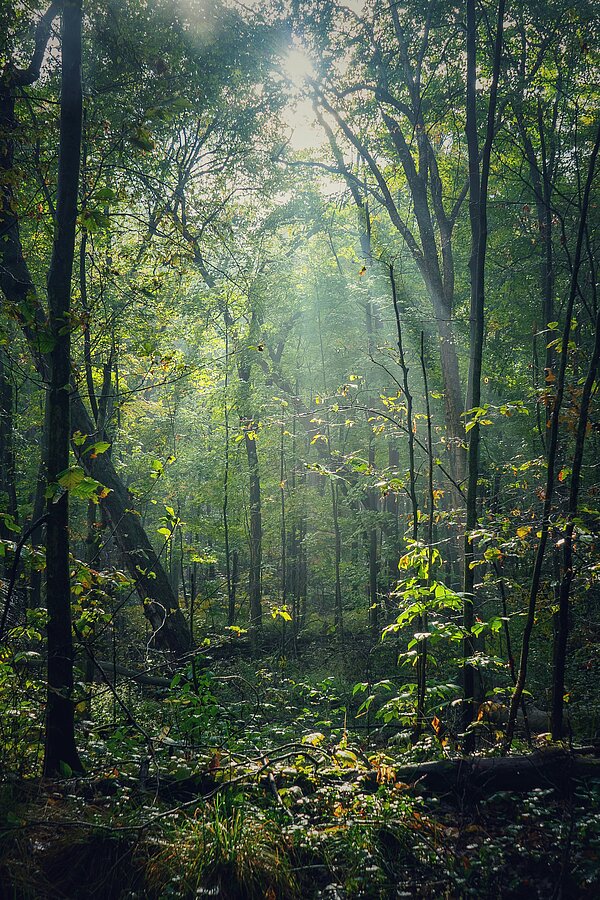
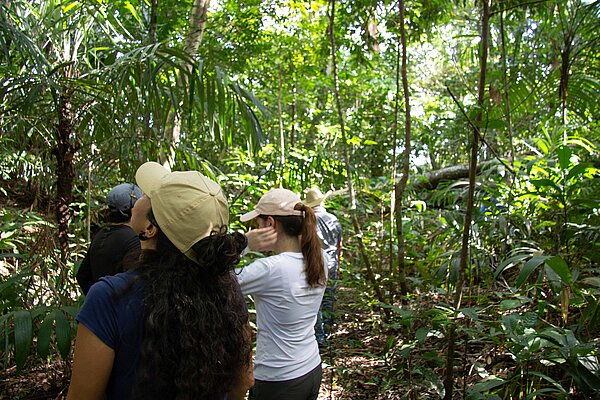
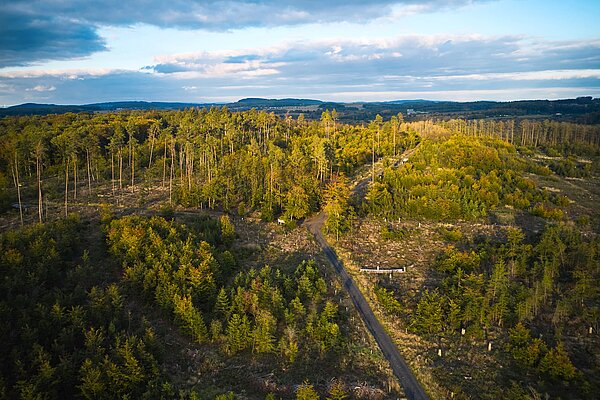
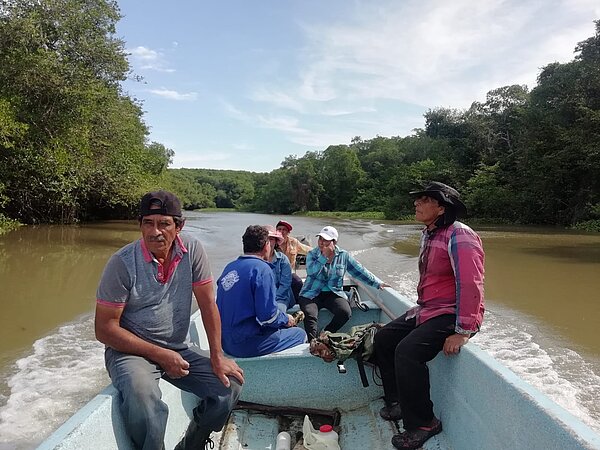
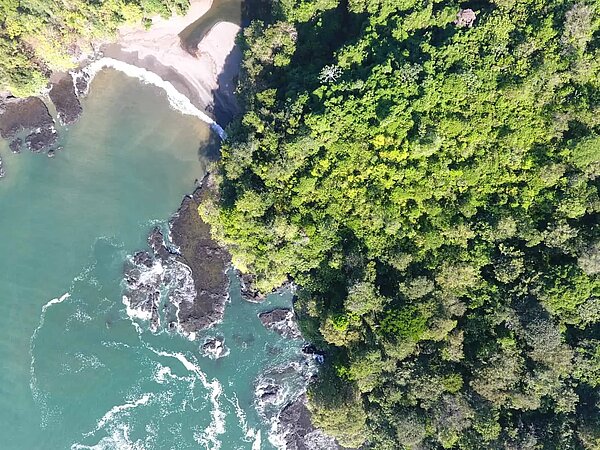
The tropical forests of southeastern Mexico are home to remarkable biodiversity and long-standing community stewardship. Within XiCO₂e, conservation and sustainable forest management are carried out by the ejidos themselves, communities whose livelihoods and identity are closely connected to the land.
Los Ojos de la Selva creates space for these communities to document what biodiversity means to them personally. Photographs of native species, forest scenes, and everyday encounters reveal a landscape shaped by care, observation, and continuity.
Rather than describing the forest externally, the initiative shares how it is experienced locally.
First Edition (May–June 2025): Opening the Lens
The first edition marked the starting point of this initiative.
Eighteen participants submitted nineteen photo and video entries. The invitation to participate was shared through community assemblies, printed materials, and direct messages to ensure open access.
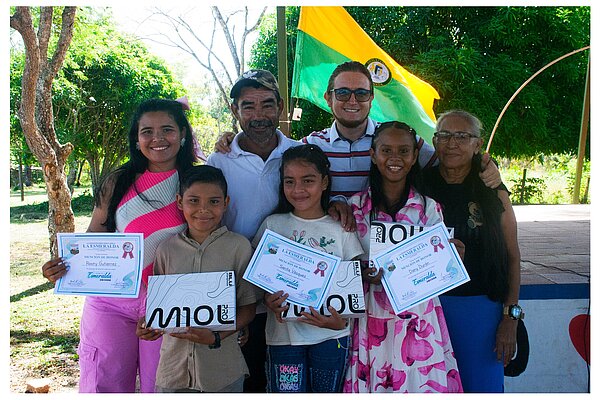
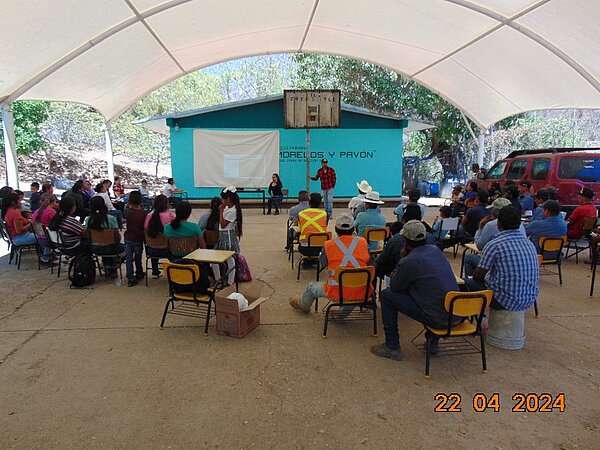
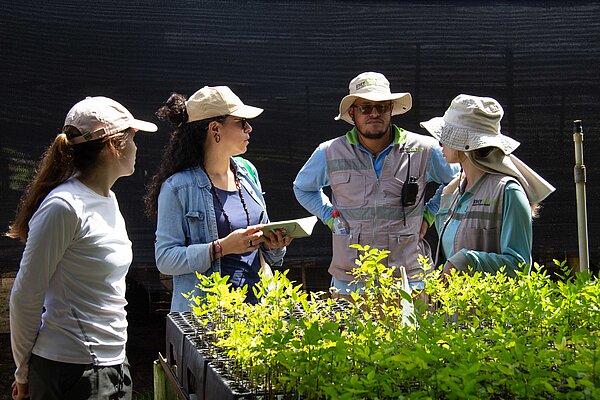
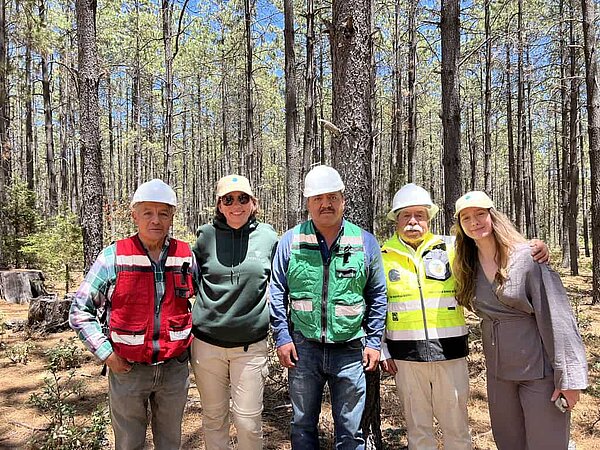
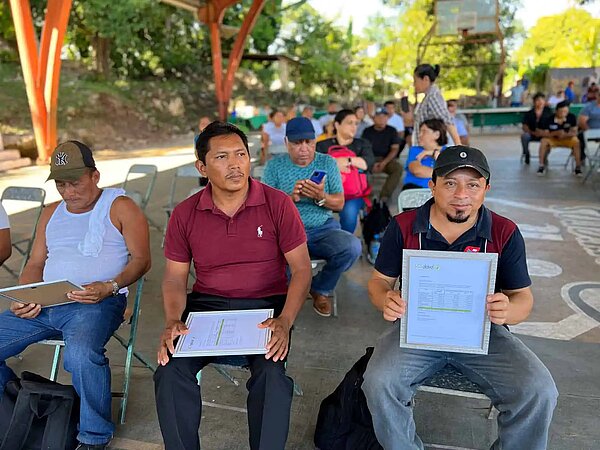
Submissions were reviewed jointly by Ala-BoOl and FORLIANCE, taking into account visual clarity, originality, and the strength of each accompanying story. The winning entry was announced during the ejidal assembly, where participants gathered to celebrate the results together.
Many of the submissions reflected pride and attentiveness, highlighting species that are often part of daily routines yet rarely documented from a personal perspective.
Second Edition (August–December 2025): Growing Engagement
The second edition introduced a stronger focus on flora and fauna and encouraged participants to submit multiple entries.
Eleven participants contributed forty-three photos and videos, more than doubling the number of materials compared to the pilot phase.
Three main prizes of MXN 5,000 and two honorable mentions were awarded during the ejidal assembly at the beginning of 2026. The recognition acknowledged both creative perspective and ongoing environmental stewardship within the community.
The growing range of submissions demonstrated increasing engagement and attention to local biodiversity.
At the heart of Los Ojos de la Selva are the images and the personal reflections shared alongside them.
Each photograph offers a small window into how biodiversity is encountered in everyday life within the forest landscape.
The following images present the three winning photographs from the most recent edition of the contest.
Winner 1: Mantled Howler Monkey
Photographer: Israel Blanco
Resting across a tree branch high in the forest canopy, this mantled howler monkey was photographed within the forest landscape of the Yucatán Peninsula. The species is one of the most characteristic primates of the region and is known for its deep, powerful calls that can travel for several kilometers through the forest.
Mantled howler monkeys spend most of their lives in the treetops, moving slowly through the canopy while feeding mainly on leaves, fruits and flowers. By dispersing seeds as they move through the forest, they play an important role in supporting natural forest regeneration and maintaining the ecological balance of tropical ecosystems.
Encounters like this reflect the rich biodiversity found in the forests of the XiCO₂e project area.

Winner 2: Ranera Snake
Photographer: Amanda Primavera
Captured in a 2025 logging area of the Ejido Noh-Bec, this image shows a Ranera snake, an arboreal species commonly found in the forests of the Yucatán Peninsula. Despite its striking colours and length of almost two meters, the species is non-venomous and plays an important role in maintaining ecological balance within the forest canopy.
Story shared by the participant:
"This photograph shows a Ranera snake that we encountered in the 2025 logging area of the ejido. These snakes live in the trees and are very colourful. They are not venomous, but seeing one so close was an impressive moment in the forest."

Winner 3: Forest Encounter at the Cenote Reserve
Photographer: Berenice Arias
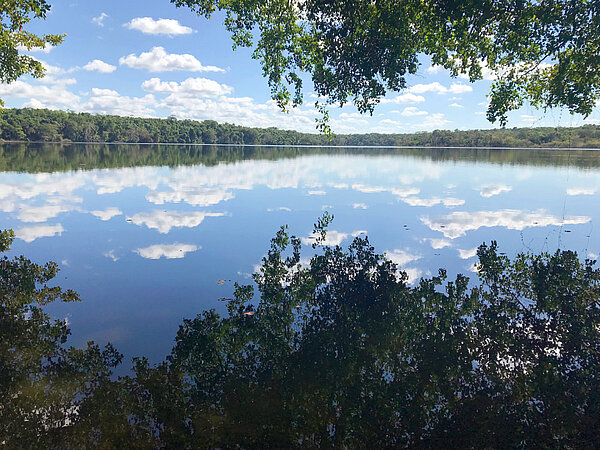
This photograph was taken during a family visit to the nature reserve surrounding the cenote in the Noh-Bec ejido. The area is a popular place for local families to spend time in nature, offering viewpoints above the forest canopy and a chance to experience the surrounding landscape from a different perspective.
While exploring the reserve, the photographer captured a moment high in the trees where a howler monkey rested quietly among the branches. Encounters like this are a reminder that the forests around the cenote are not only places for recreation, but also home to a wide range of wildlife.
Story shared by the participant:
"The image was captured during a family outing to the nature reserve known as the cenote in the Noh-Bec ejido. Climbing up to the viewpoints, we were able to take the photograph."

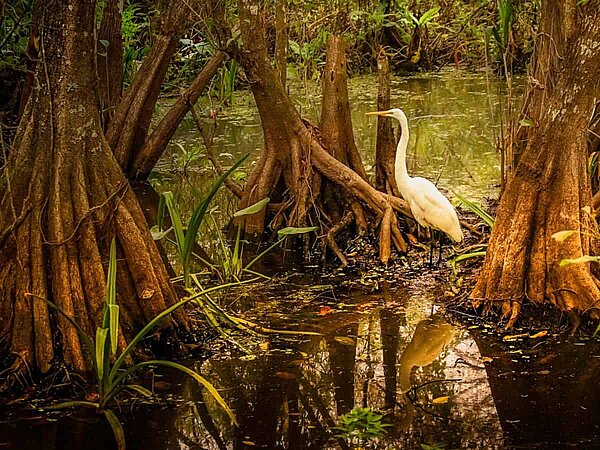
Through these contributions, biodiversity becomes tangible. The photographs document species that are part of the everyday landscape of the ejidos, from arboreal snakes and forest birds to the rich vegetation surrounding cenotes and forest clearings. Species are observed not as isolated data points, but as part of daily life. The forest appears as habitat, workplace, heritage, and future.
For investors, this offers a closer look at the landscape connected to the XiCO₂e project, seen through the perspectives of those who live and work within it.
Strengthening Connection Across the Landscape
Los Ojos de la Selva strengthens connection in several ways:
- It encourages participants to observe their environment more closely.
- It fosters exchange within and between ejidos.
- It creates an additional layer of visibility for the project landscape.
Alongside technical monitoring and sustainable management practices, this initiative adds a human dimension to biodiversity conservation, grounded in local experience.
A Shared Perspective
Within the broader XiCO₂e: Mexican Peninsula Forest Project, the photo contest reflects how conservation is lived on the ground.
Through the Eyes of the Jungle invites you to encounter the forest not only as a project area, but as a living ecosystem shaped by community stewardship.
It offers a perspective that is immediate, personal, and rooted in place.

About the Author
Julia Chodkowska, Marketing Manager at FORLIANCE
Julia Chodkowska is an experienced strategic B2B marketing lead. She shapes brand positioning and drives business growth through targeted, multi-channel communication, with a focus on increasing the visibility and relevance of nature-based climate solutions in global markets.