105 Species and Counting: The Life of Úrsulo Galván's Mangroves
Alona Mikhova
July 03, 2026
Project Updates
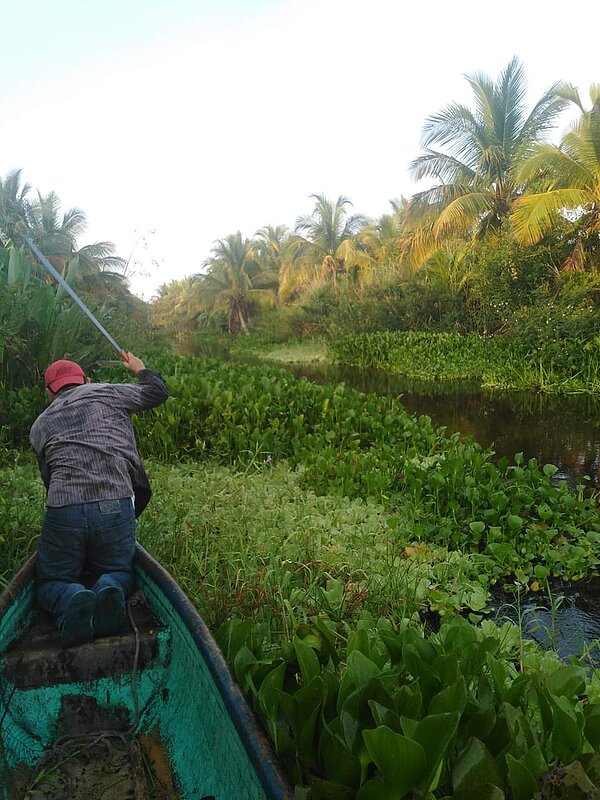
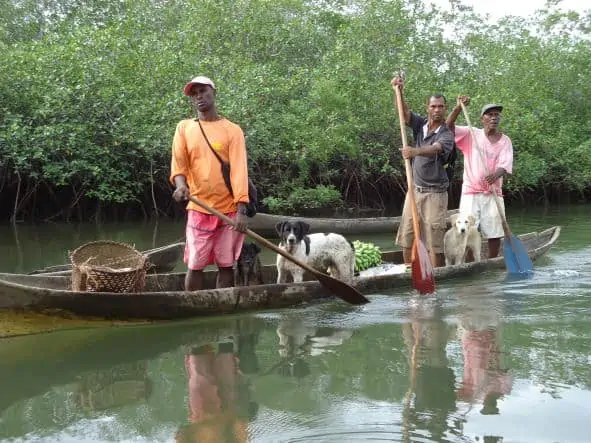
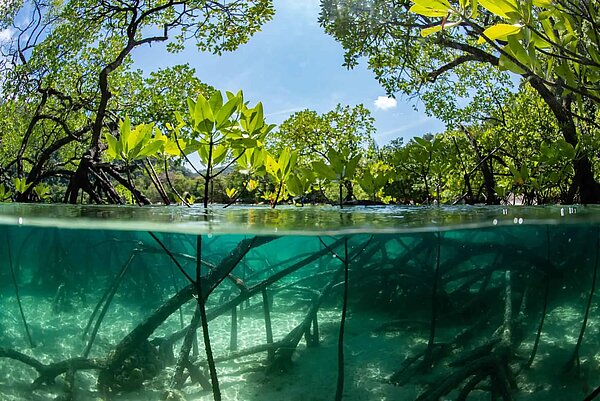
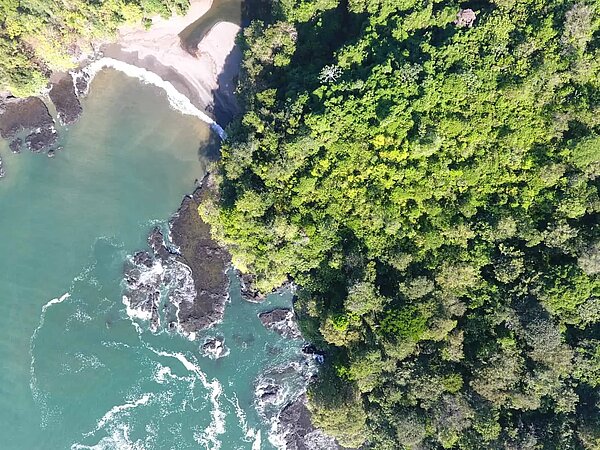
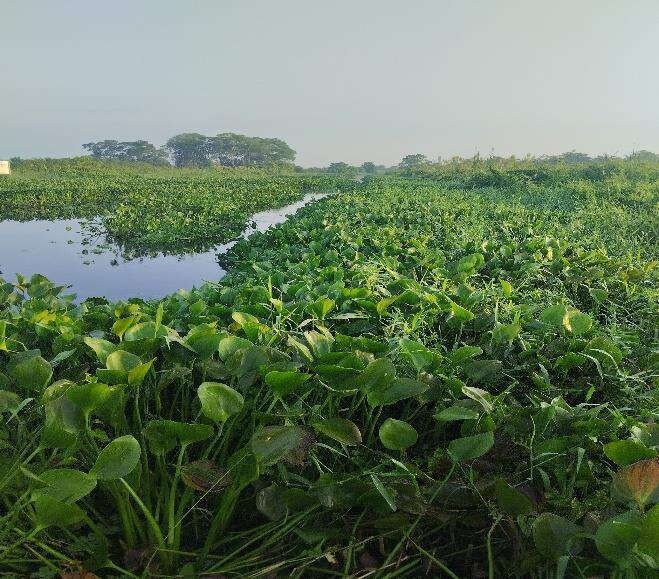
In the wetlands of Tabasco, the Mangrove Restoration Mexico project has just reached a milestone that reframes what this landscape means for climate action: its first biodiversity baseline. Over an intensive week of fieldwork in May 2026, a specialist survey team recorded 105 species living across the Úrsulo Galván Ejido's mangroves, reforested plots, tular grasslands and lagoon, hard evidence that restoring this coastline is restoring an entire living system, not just its carbon.
A Baseline Two Decades in the Making
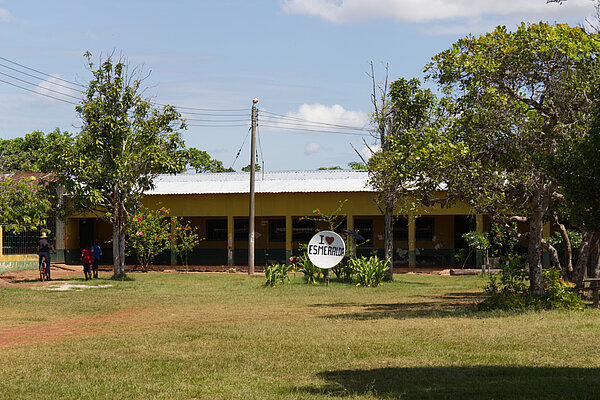
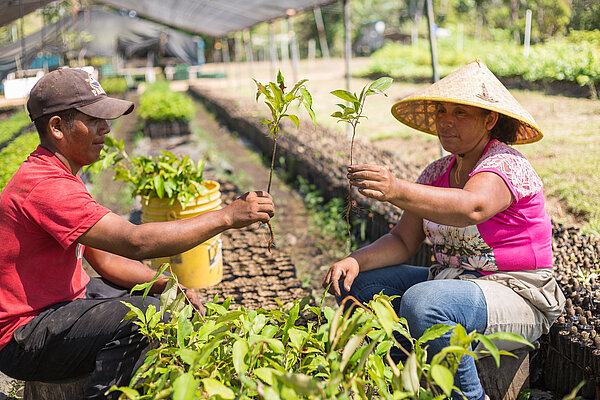
The Úrsulo Galván Ejido's story is one of resilience: wetlands disrupted by pipelines and altered water flows in the 1990s, and a community that spent nearly two decades bringing its mangroves back through reforestation and restoration. That recovery has already earned national recognition, including the National Forestry Merit Award from Conafor and UN recognition in 2020 as a Nature-Based Action promoting sustainable development.
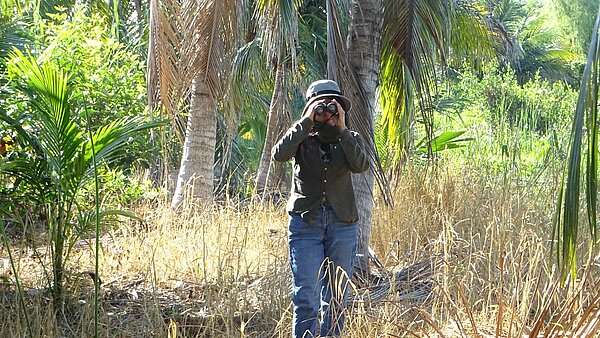
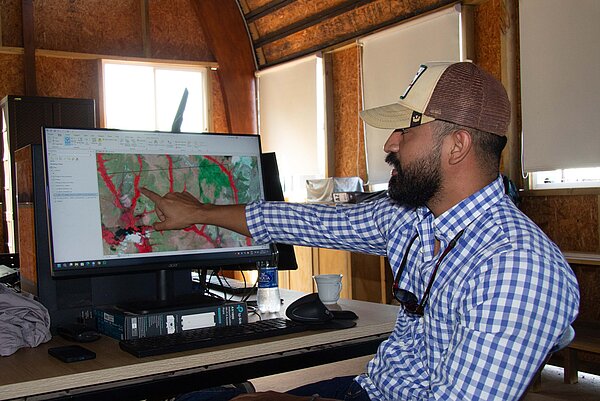
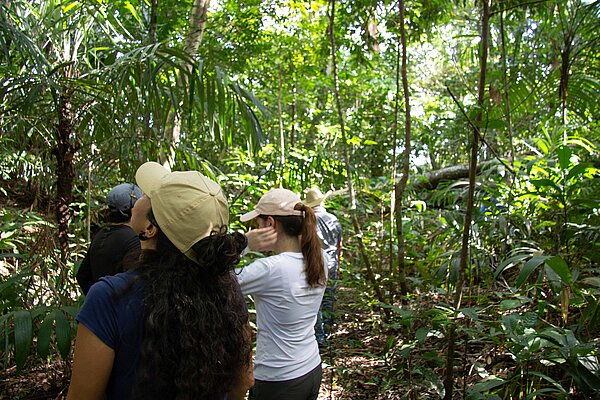
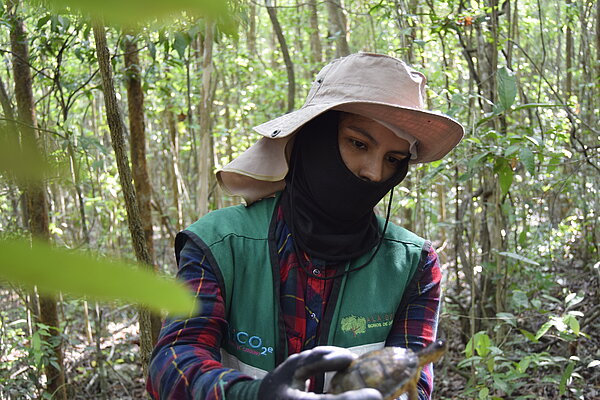
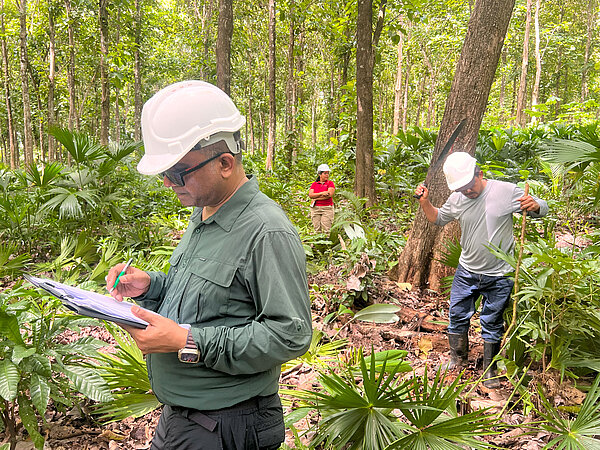
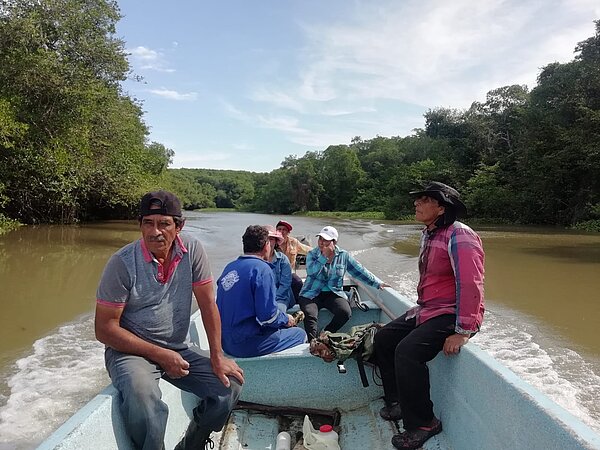
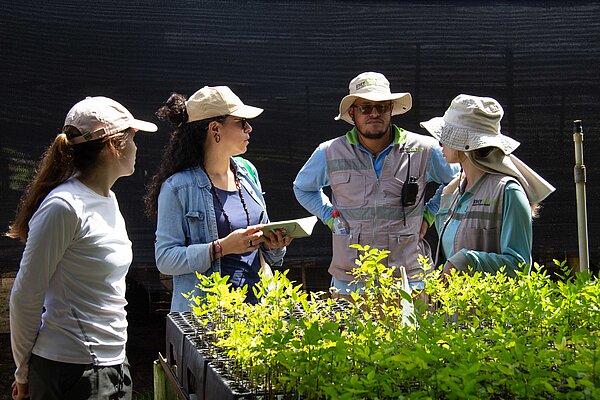
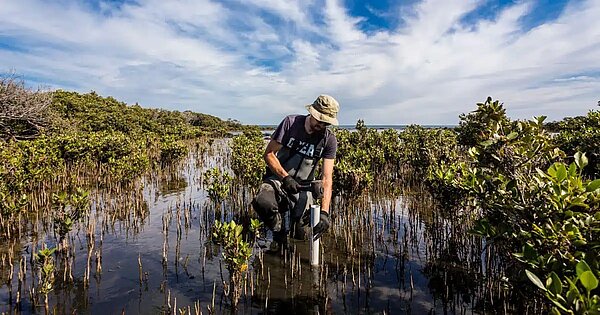
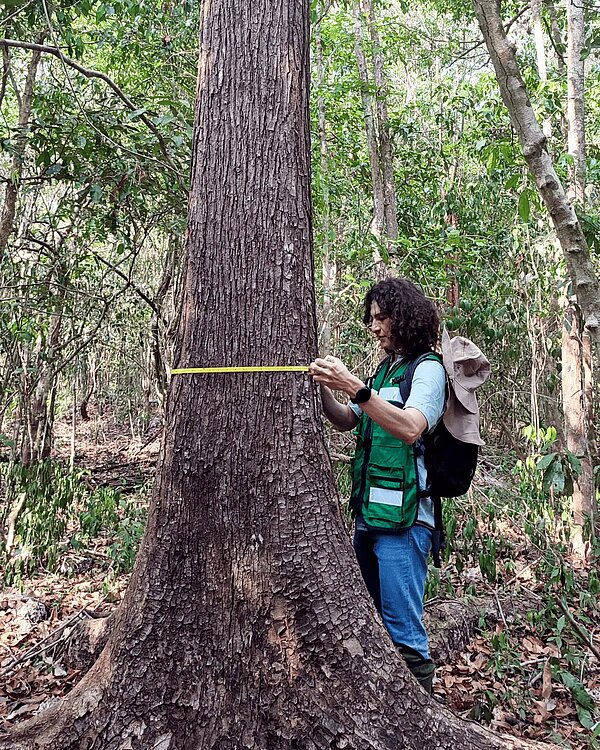
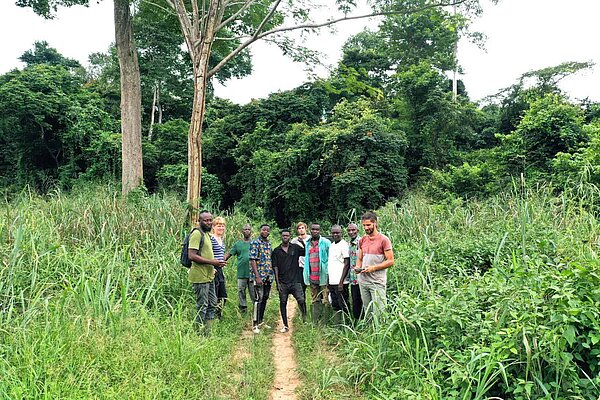
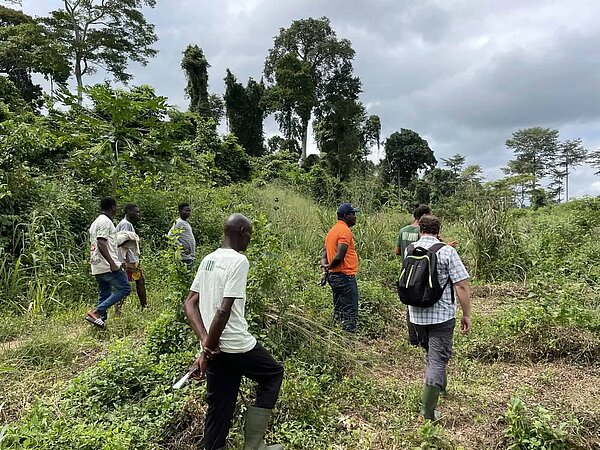
This year, that legacy took its next step. As part of the Úrsulo Galván Mangroves project (CAR 1429), certified under the Climate Action Reserve's Forest Protocol for Mexico, FORLIANCE and technical partners commissioned a full wildlife baseline study, the first systematic, scientific accounting of the species this restored landscape now supports. Field data collection was led by ecologist M.C. Elder Ruiz Velásquez, who brings 20 years of wildlife survey experience to the project, working alongside ejido members who are being trained to carry the monitoring forward themselves in future seasons.
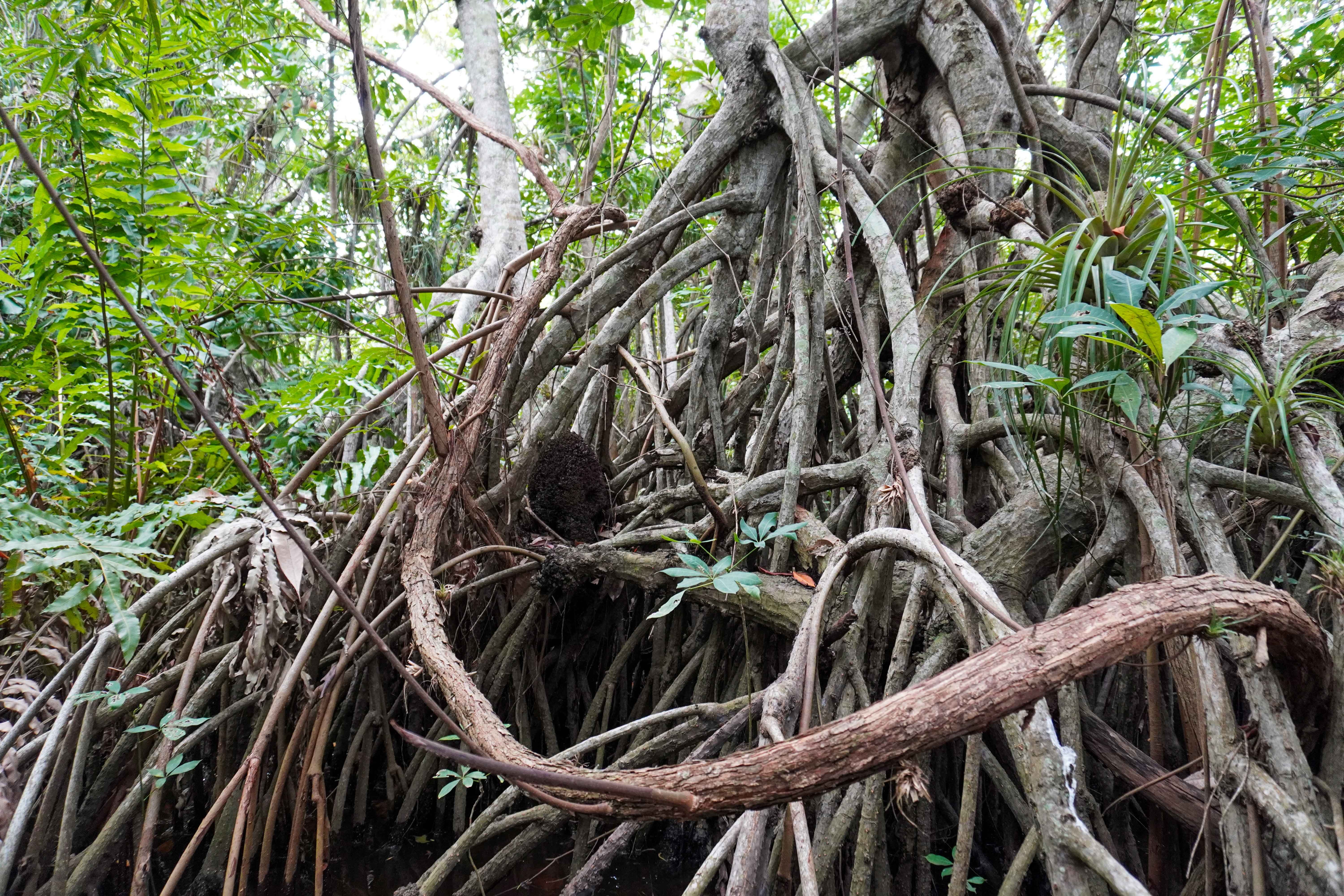
105 Species, One Living Mangrove Forest
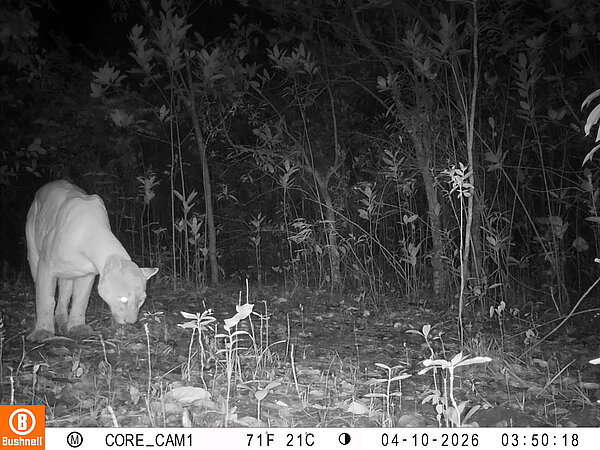
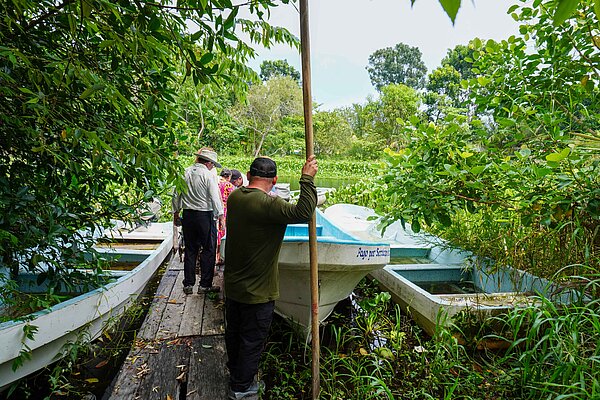
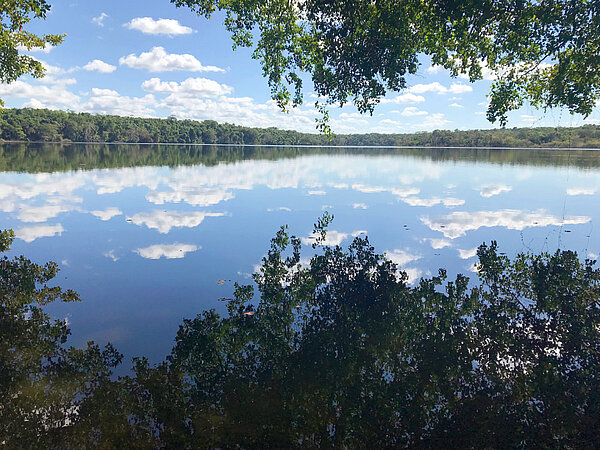
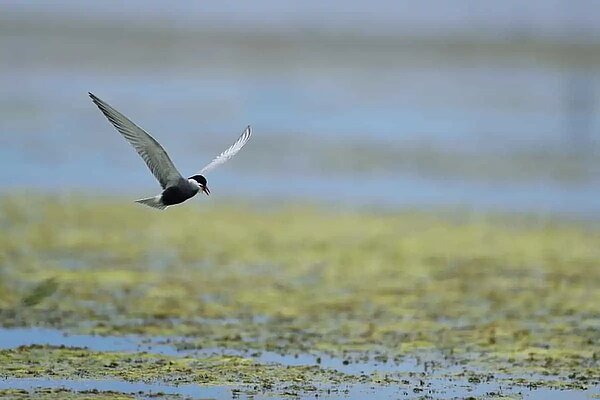
The results confirm what the community has long sensed: this is a thriving ecosystem. Across 30 survey points, camera traps, acoustic bat recorders, small-mammal traps and fish sampling, the team documented 105 species spanning six taxonomic classes. Among them:
- Birds: 74 species (70% of the total) — the clearest signal of just how many ecological niches this mosaic of habitats supports.
- Fish (Actinopterygii): 9 species recorded in the lagoon, from snook to tarpon.
- Reptiles: 5 species, including a CITES-listed crocodile.
- Mammals: 3 species of small mammals, plus 2 crustacean and 1 amphibian species rounding out the picture.
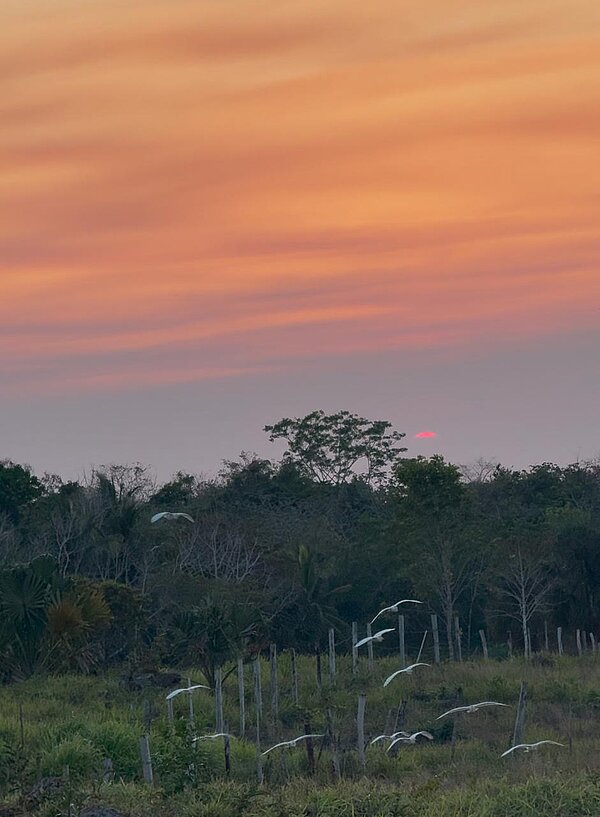
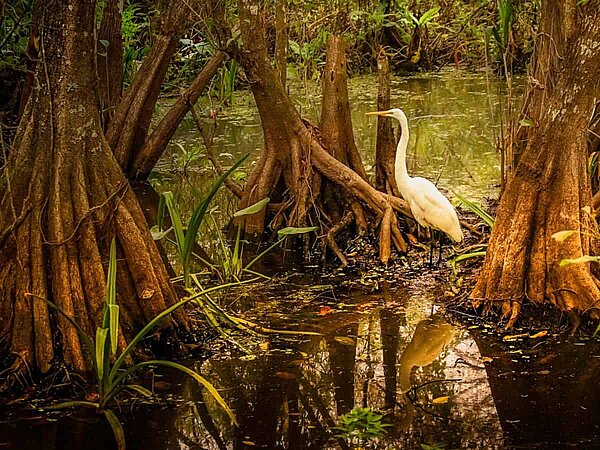
The most frequently observed animal was the Red-winged Blackbird (Agelaius phoeniceus), with 64 individuals recorded across the mangrove, reforestation and tular areas, a gregarious wetland specialist whose abundance is itself a good sign of healthy vegetation edges. Close behind was the Northern Jacana (Jacana spinosa), spread evenly across all four habitats with 45 individuals, and the Cliff Swallow (Petrochelidon pyrrhonota), which claimed the lagoon almost exclusively with 20 individuals.
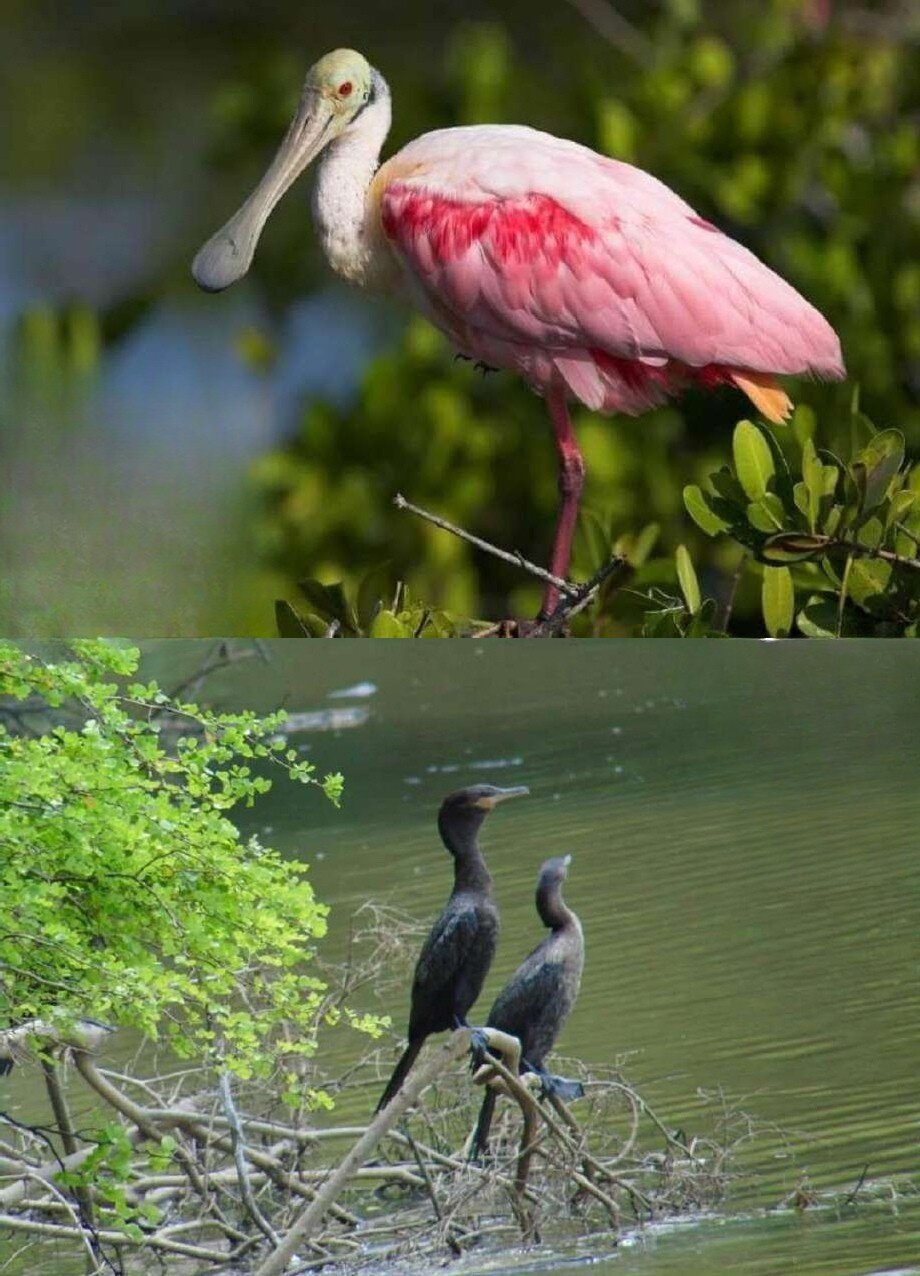
A Critical Habitat Within a Larger System
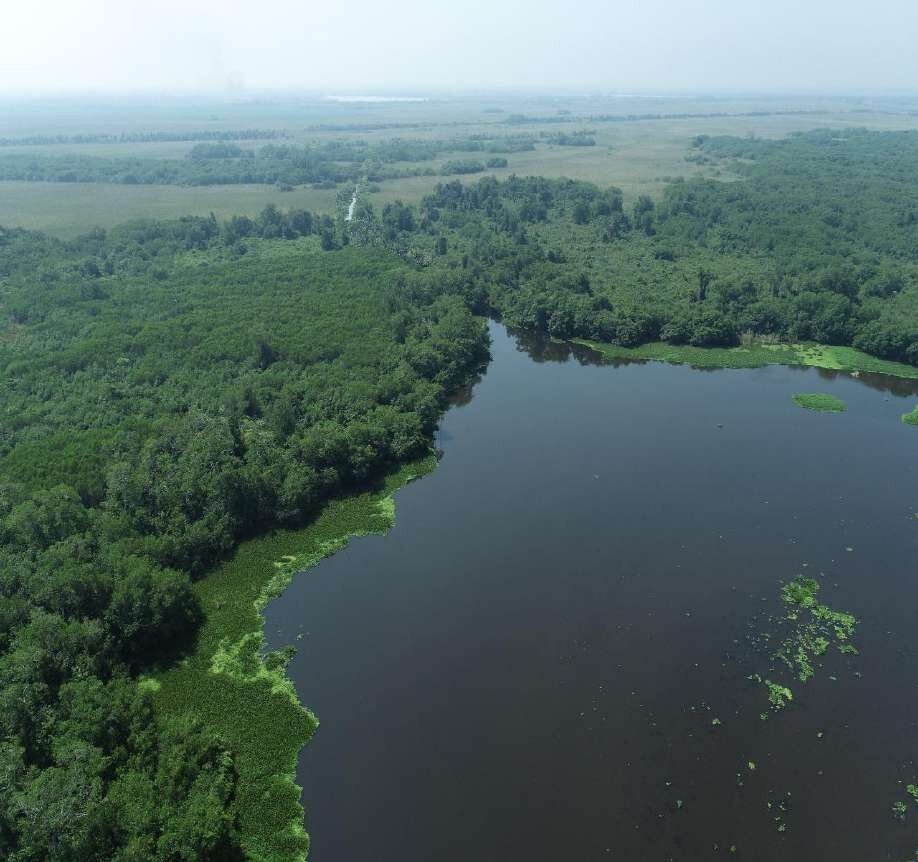
Numbers tell the story best. The Úrsulo Galván Ejido covers 2,923 hectares, a mere 0.96% of the surrounding Pantanos de Centla Biosphere Reserve, one of Mexico's largest protected wetlands at over 302,000 hectares. And yet the ejido is home to 105 species, representing 19.4% of the more than 540 species ever recorded across the entire reserve. Measured by density, that means roughly 3.59 species per 100 hectares in the ejido, against 0.18 across the reserve as a whole.
That concentration of life is a direct dividend of restoration: heterogeneous habitats, open lagoon, dense conserved mangrove, young reforested stands and tular grassland, each support a distinct community of species, together adding up to a wetland doing far more ecological work than its size would suggest.
Meet the Neighbours: Species of Conservation Concern
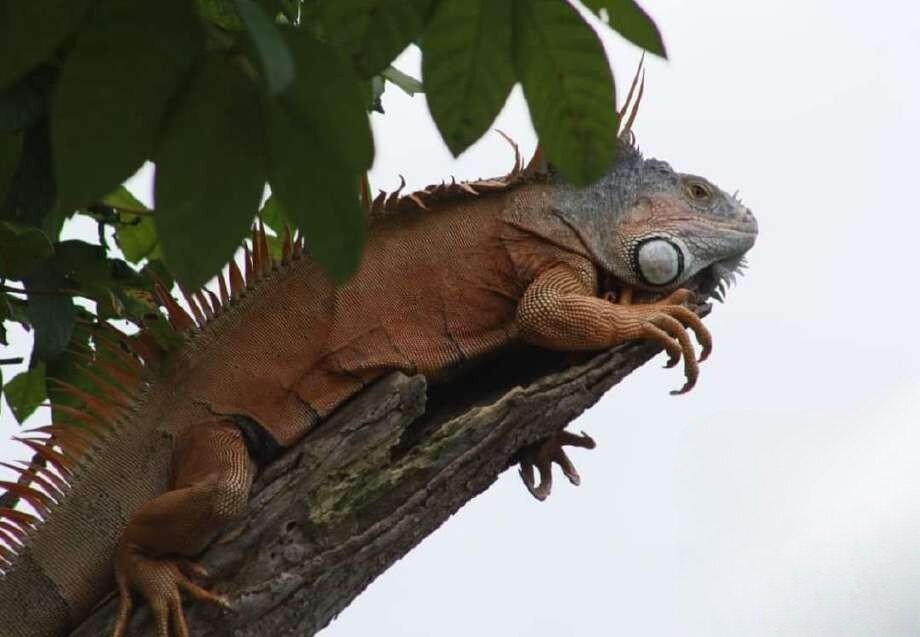
Alongside the abundance data, the survey turned up five species listed under Special Protection in Mexico's NOM-059-SEMARNAT-2010 standard, a marker of the site's conservation significance:
- Morelet's crocodile (Crocodylus moreletii) — found in the lagoon.
- Great Black Hawk (Buteogallus anthracinus) — recorded in both the mangrove and lagoon.
- Green iguana (Iguana iguana) — found in the reforestation area.
- juil catfish (Rhamdia guatemalensis) — caught in the lagoon.
- Orange-fronted parakeet (Eupsittula canicularis) — recorded in the conserved mangrove.
The team also flagged three introduced species — Nile tilapia, jaguar guapote and the brown anole lizard — for ongoing monitoring, given their known potential to compete with native wildlife. Tracking and managing that risk is now part of the project's long-term stewardship plan.
Why Biodiversity Is a Blue Carbon Story
A blue carbon project that only sequesters carbon is a commodity; a project that measurably brings back 105 species, including nationally protected wildlife, alongside stable local employment and coastal protection, is a durable, defensible climate solution. This baseline gives buyers, partners and investors a transparent, science-based benchmark against which the project's ecological performance can be tracked year after year.
This first survey is also just the starting point. Three further seasonal rounds are planned, each expanding coverage, camera traps and fish traps across all three habitats, continuous acoustic monitoring, and a growing, ejido-led dataset that will make the case for this project's impact even stronger over time.
A Model for Climate, Biodiversity and Community Impact
The Mangrove Restoration Mexico project already delivers measurable climate mitigation through blue carbon sequestration and the long-term protection of vital wetland ecosystems. This new biodiversity baseline confirms it is delivering just as much for nature:
- Verified habitat for 105 species, including five under national special protection.
- A wetland system 20 times more species-dense than its surrounding biosphere reserve.
- A repeatable, ejido-led monitoring model that builds local scientific capacity year after year.
- A transparent evidence base for corporates and investors seeking high-integrity blue carbon projects.
By centring local knowledge, rigorous science and long-term stewardship, Úrsulo Galván is showing what a community-based blue carbon project can achieve, for climate, for biodiversity, and for the people who call this coastline home.
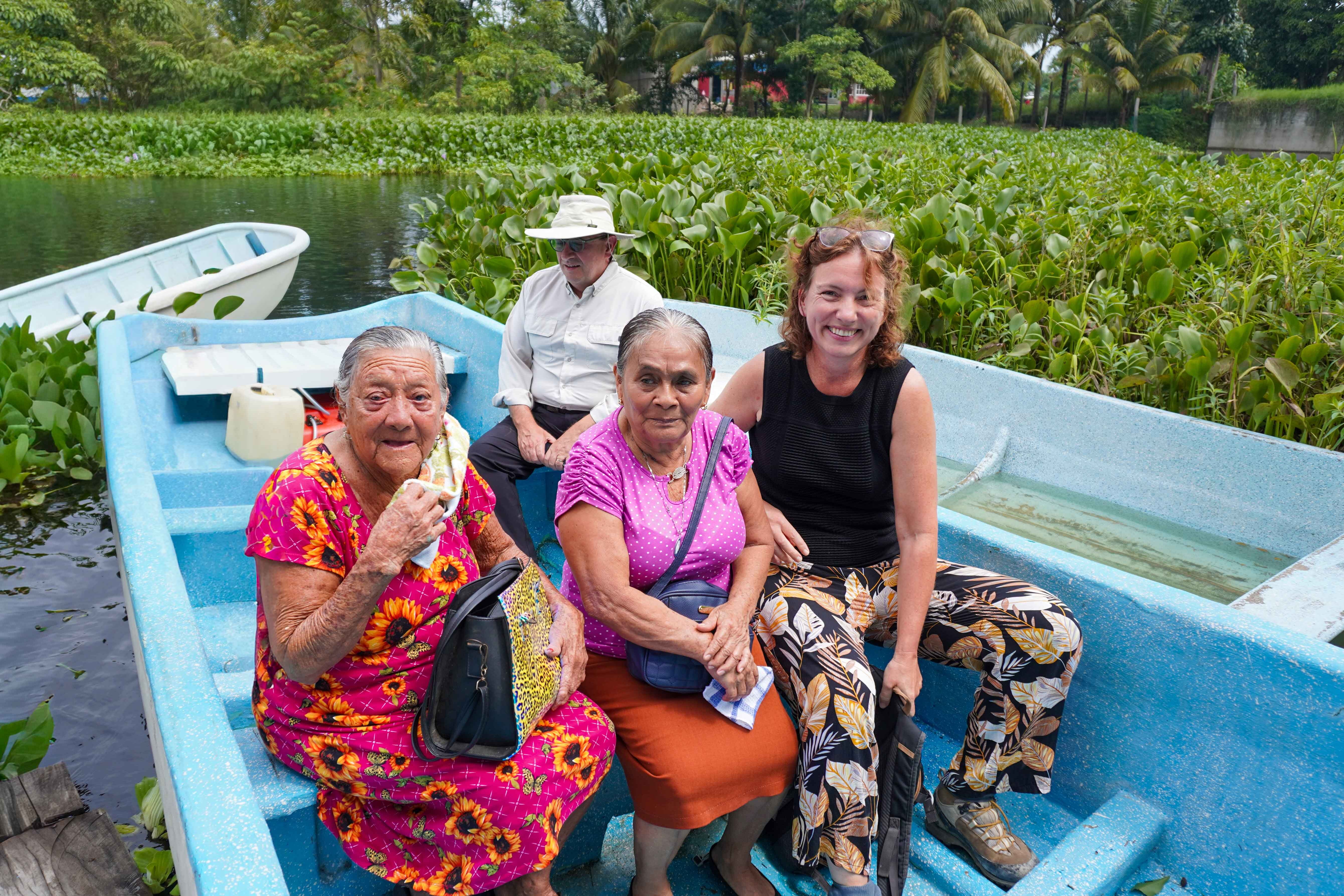
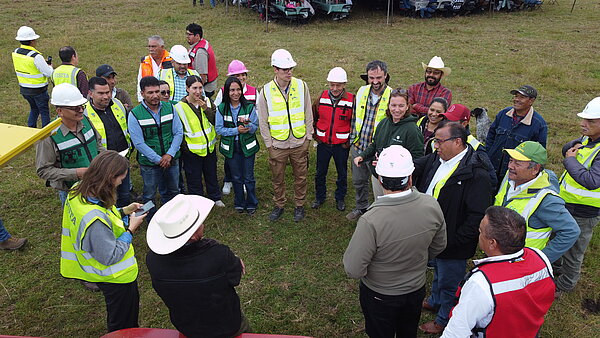
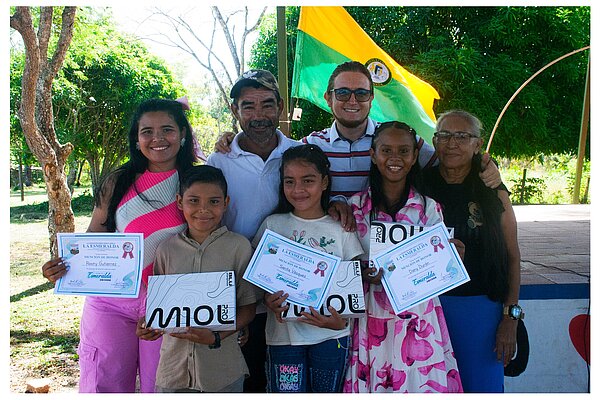
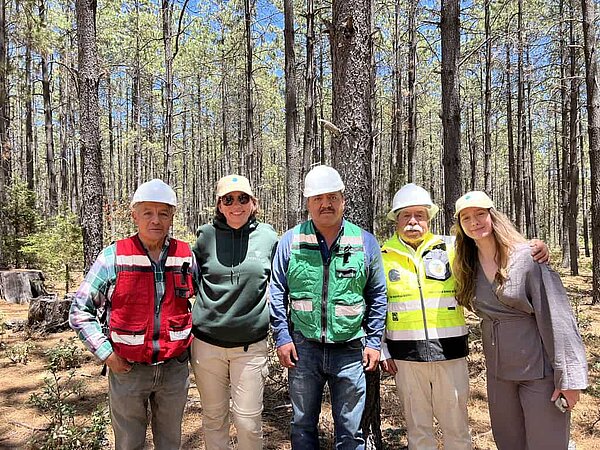
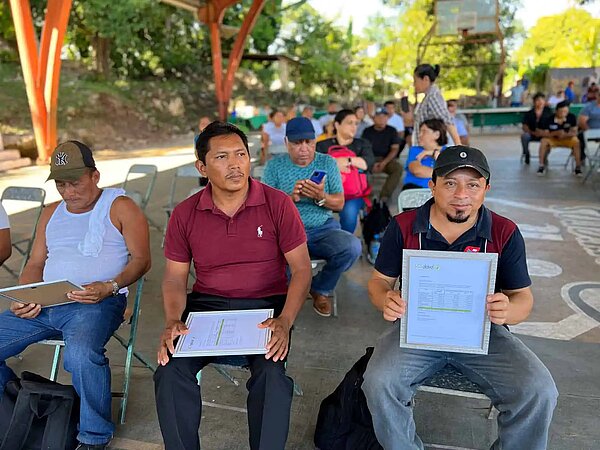
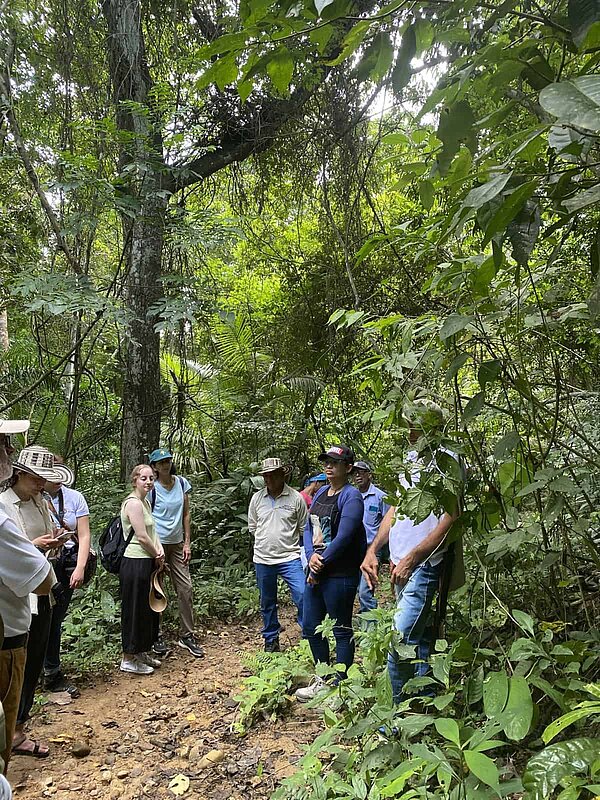
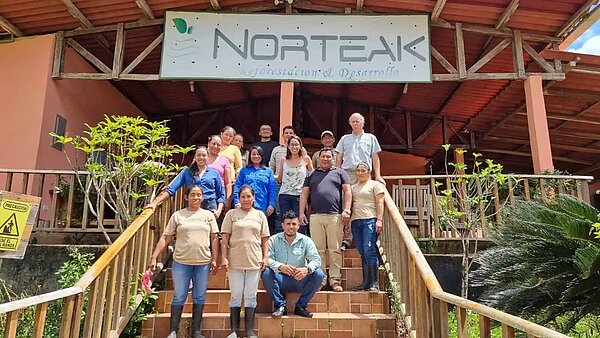
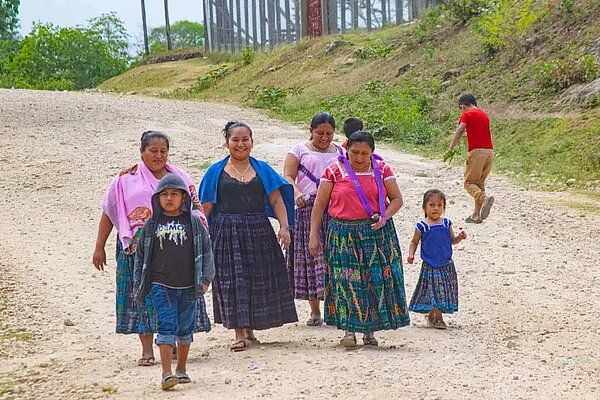
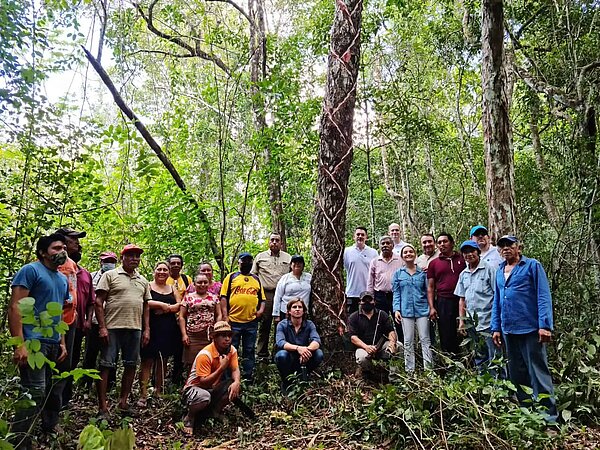
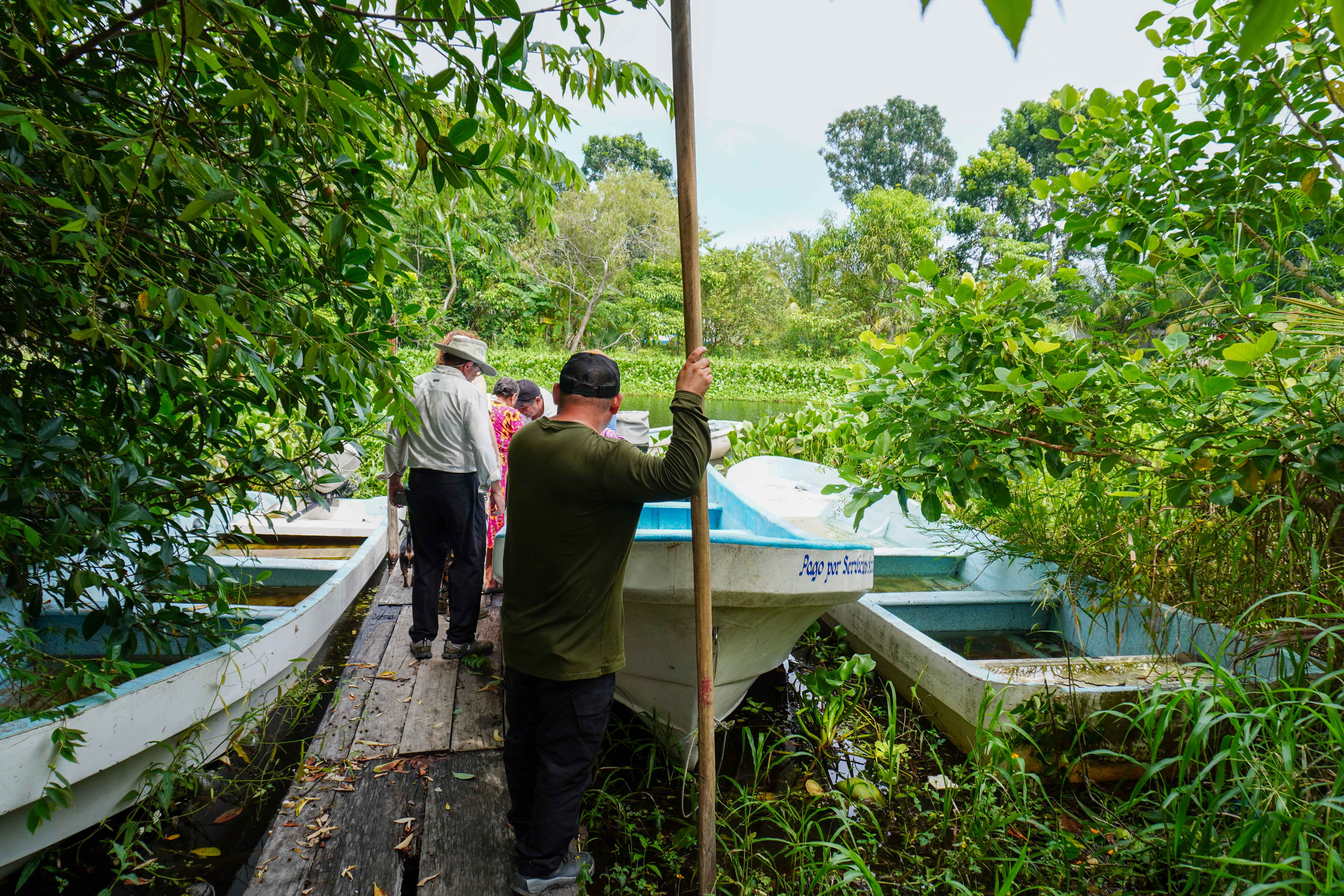
Members of the Úrsulo Galván community with Arine de Bordes, Senior Partnerships Manager at FORLIANCE, during a project visit in Tabasco.
Interested in partnering on a high-integrity blue carbon project backed by verified biodiversity data? Get in touch with the FORLIANCE team to learn how the Úrsulo Galván Mangroves project can be part of your climate strategy.
About the Author
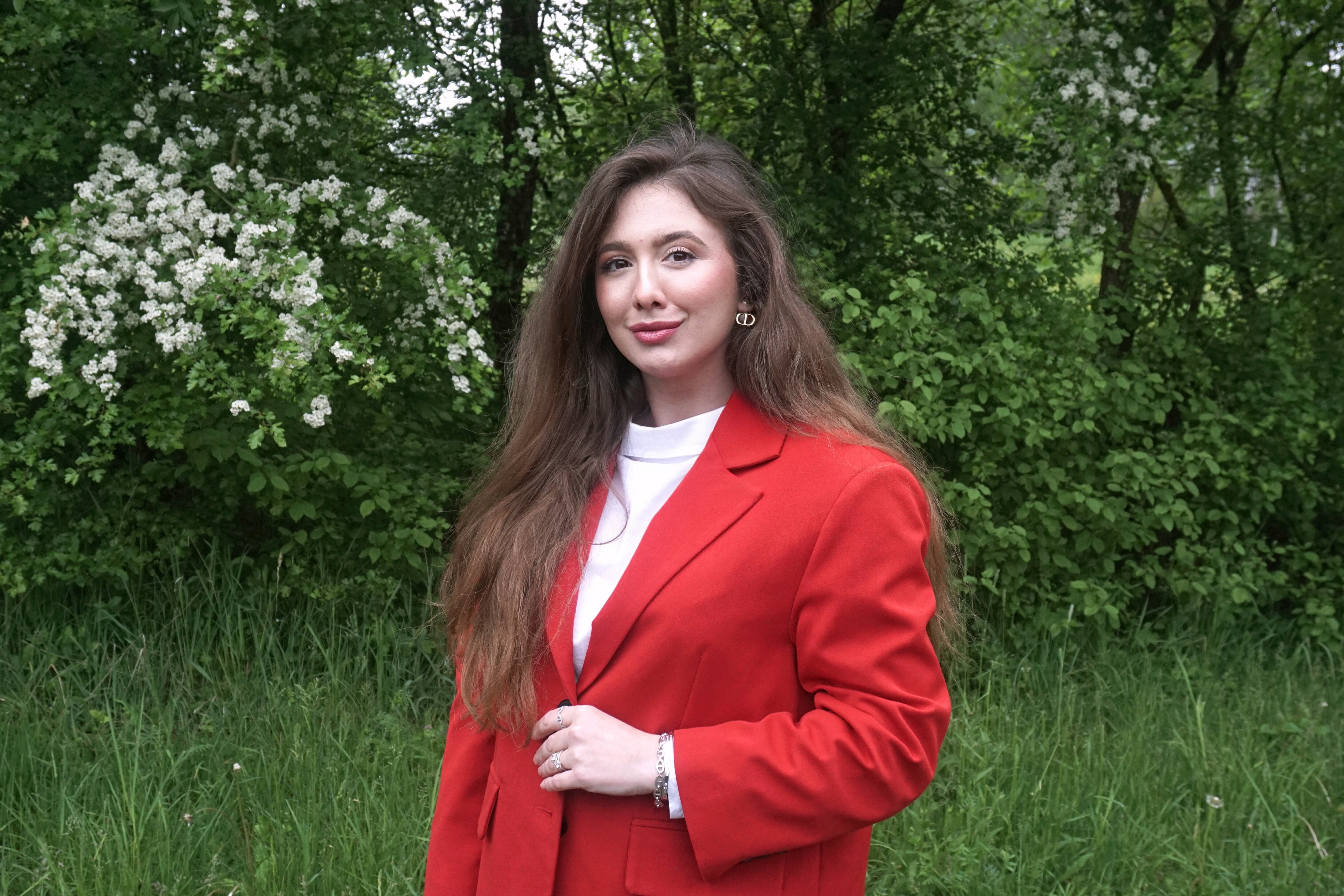
Alona Mikhova, Project Portfolio & Commercialization Manager at FORLIANCE
Alona Mikhova is a Project Portfolio Specialist and Commercialization Manager at FORLIANCE, with over a decade of sustainability expertise and five years in the carbon sector. She translates complex project information into credible communications, supports due diligence and corporate net-zero strategies, and connects teams to deliver value for companies, biodiversity, and local communities.