After 200 Years, European Bison Return to the Făgăraș Mountains
Alona Mikhova, Julia Chodkowska
September 02, 2026
Project Updates
Almost 200 years after disappearing from the Făgăraș Mountains, European bison are roaming the landscape again. Behind their return is a reintroduction programme that began with quarantine enclosures and continues through field observations and GPS monitoring.
In May 2020, eight European bison were released into the wild in Romania’s Făgăraș Mountains. The species had been absent from the region for almost 200 years.
Their return was not a matter of simply transporting animals and opening an enclosure. Before their release, the bison underwent quarantine, veterinary examinations and a period of acclimatisation. Once they entered the wider landscape, rangers continued to monitor their movements, behaviour and health.
This careful process points to a broader truth about rewilding: protecting a forest is only the beginning. Restoring an ecosystem also means creating the conditions in which missing species can return, adapt and eventually establish populations of their own.
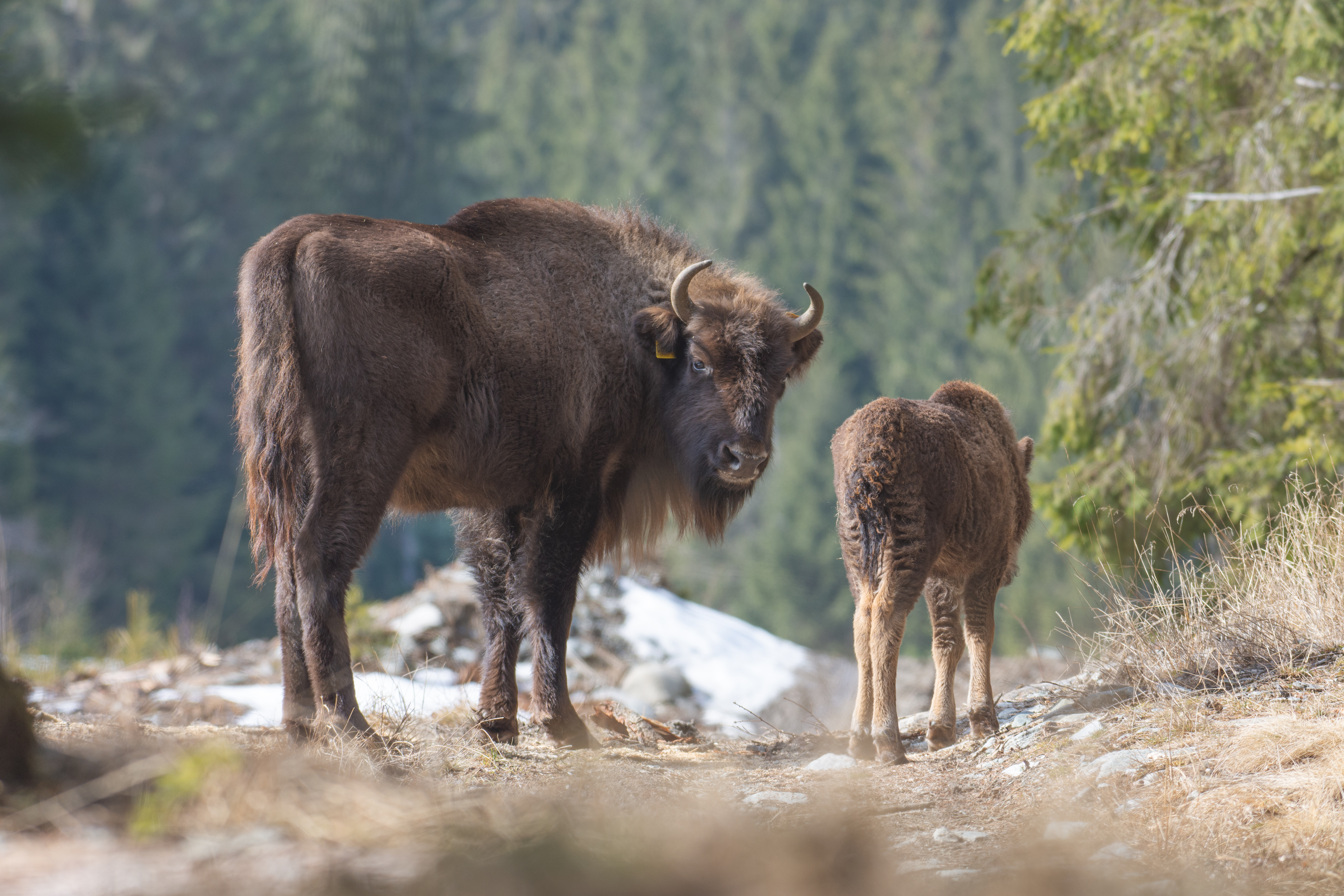
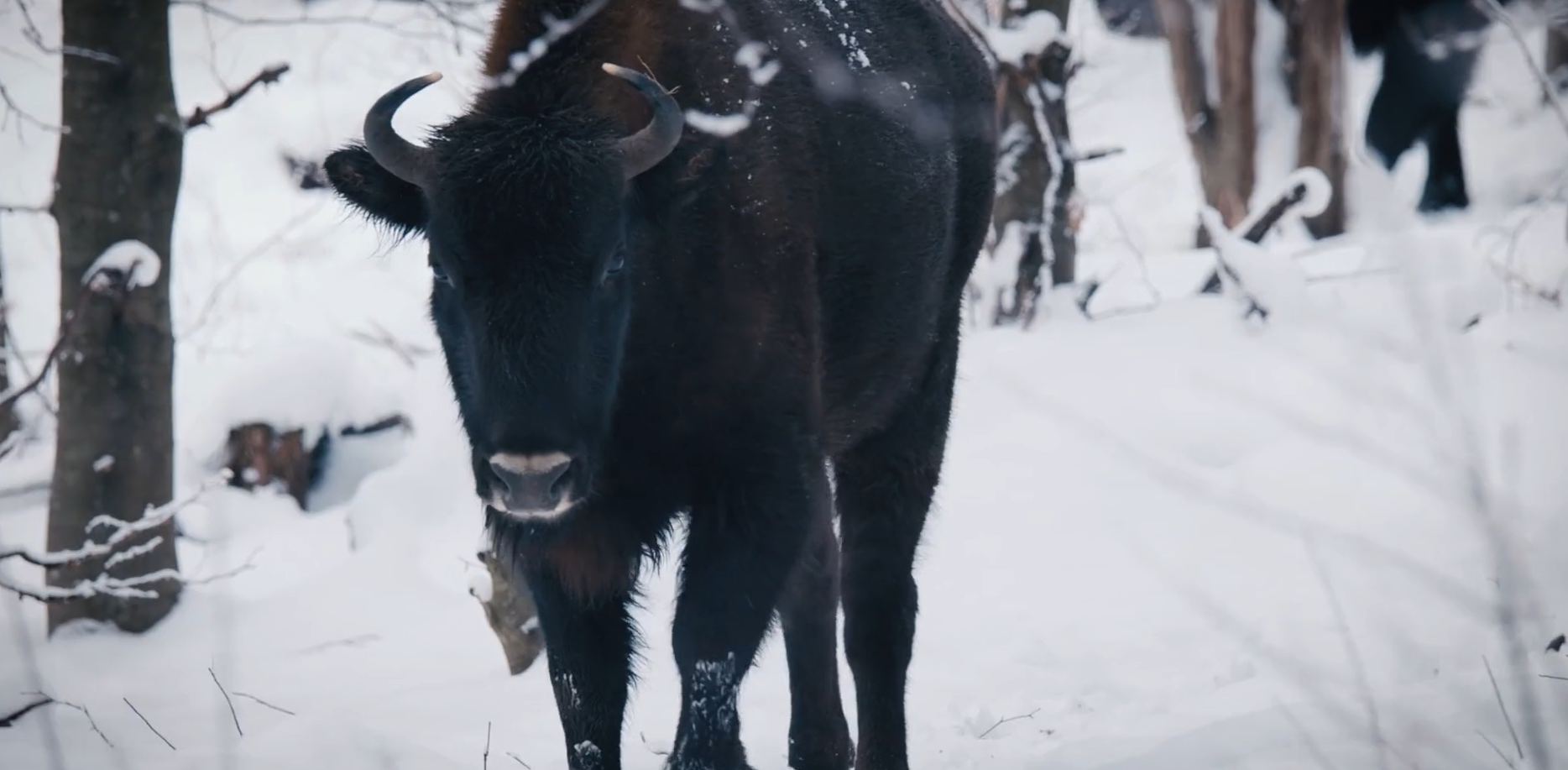
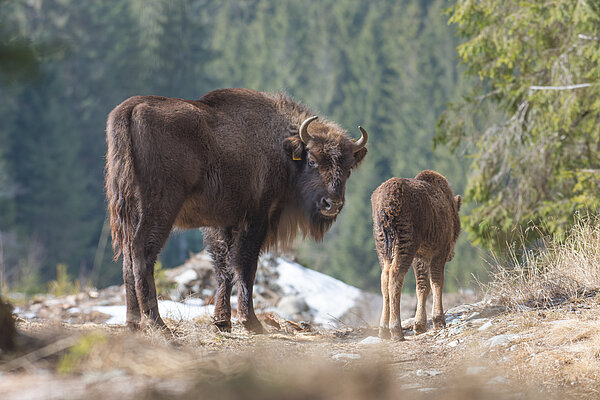
European bison returned to the Făgăraș Mountains after an absence of almost two centuries.
Restoring More Than Trees
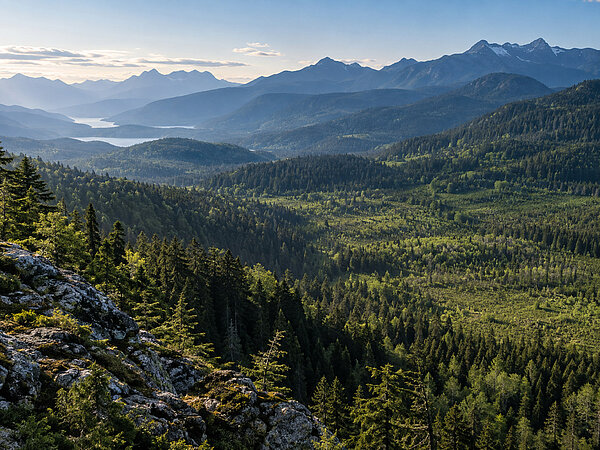
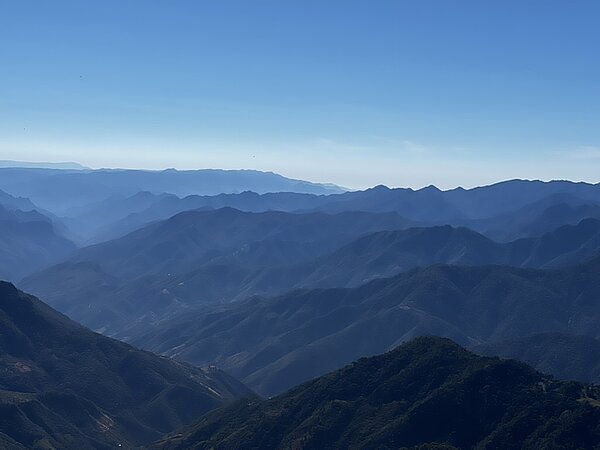
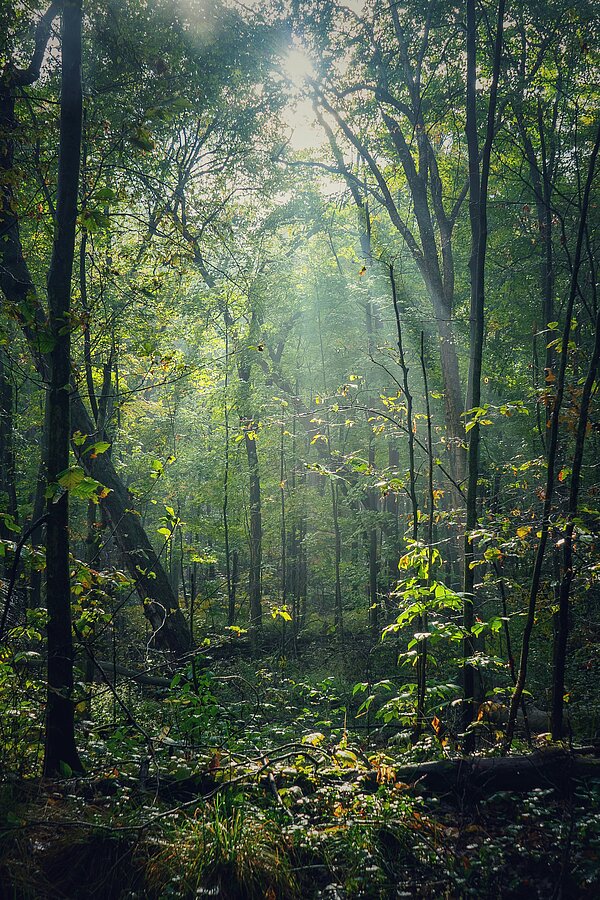
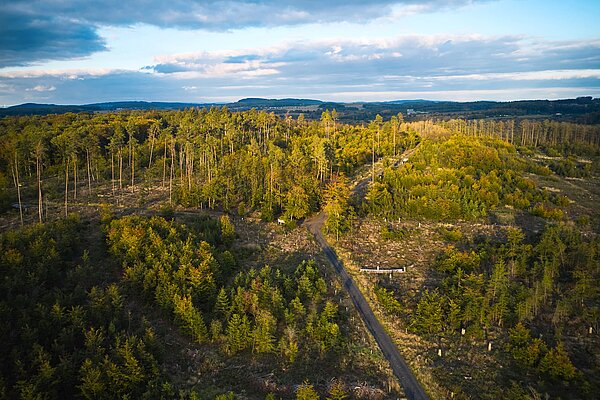
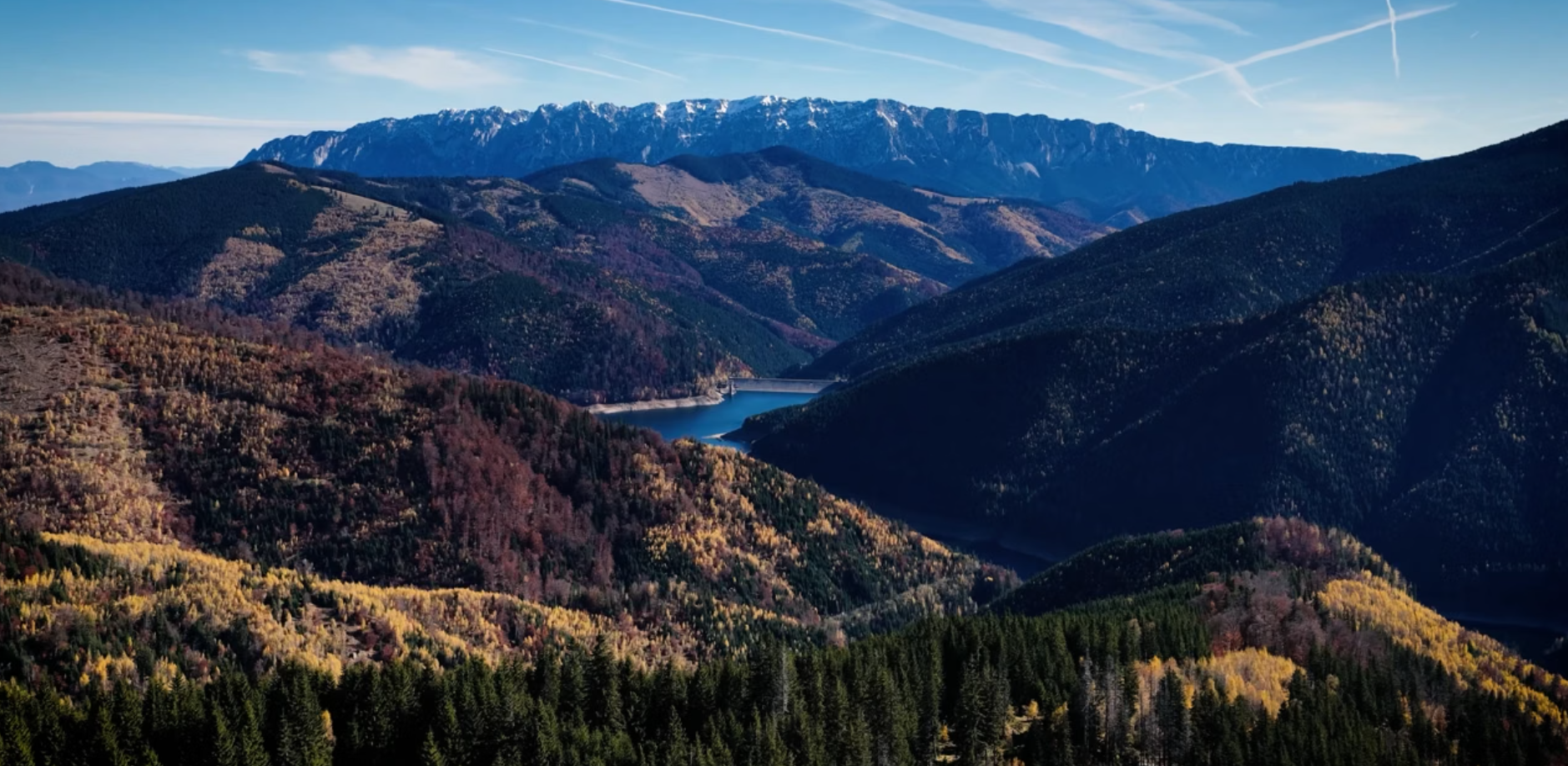
The Făgăraș Mountains form part of one of Europe’s most important remaining forest landscapes. They are still home to brown bears, wolves and lynx, but other species disappeared from the region as hunting and human pressure reshaped the ecosystem.
European bison were among them. Bringing the species back is therefore not simply about increasing the number of animals in the landscape. It is part of a wider effort led by Foundation Conservation Carpathia to restore missing wildlife and the natural processes on which a functioning ecosystem depends.
But a suitable forest does not automatically guarantee a successful return. Bison introduced from different locations must be transported safely, assessed by veterinarians and gradually accustomed to their new surroundings. Release areas must offer adequate habitat while giving the animals the space to move and form stable groups.
Reintroduction Is a Process, Not a Single Event
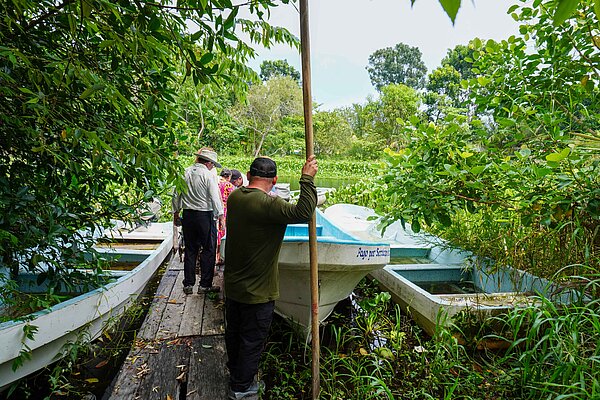
The programme began in 2019, when the first animals arrived in the Făgăraș Mountains. They initially remained in specially prepared enclosures, where their health could be monitored and they could acclimatise to the local environment.
The first eight bison were released in May 2020. Further animals followed through additional reintroduction points, extending the programme across three areas in the south-eastern Făgăraș Mountains.
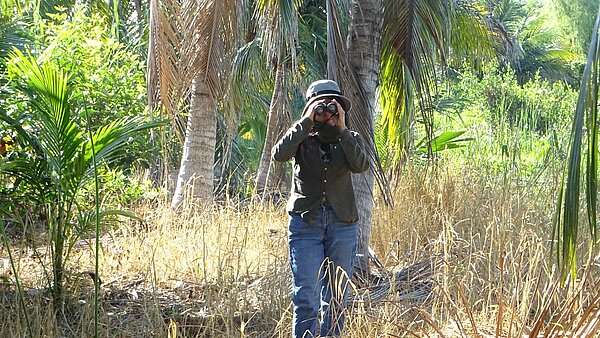
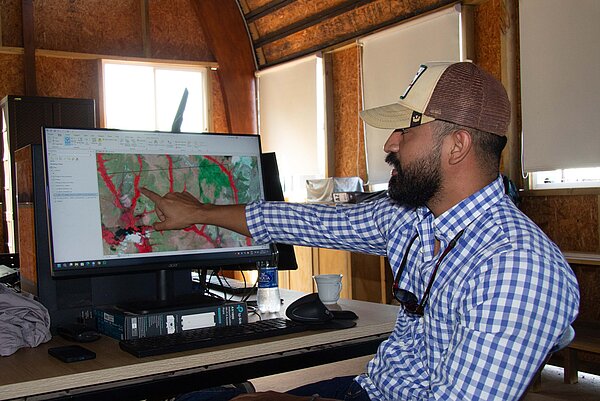
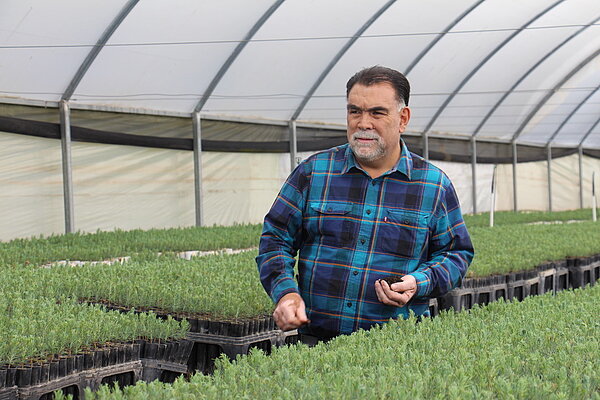
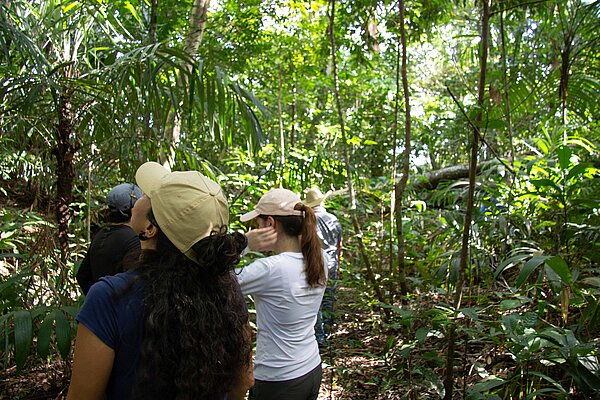
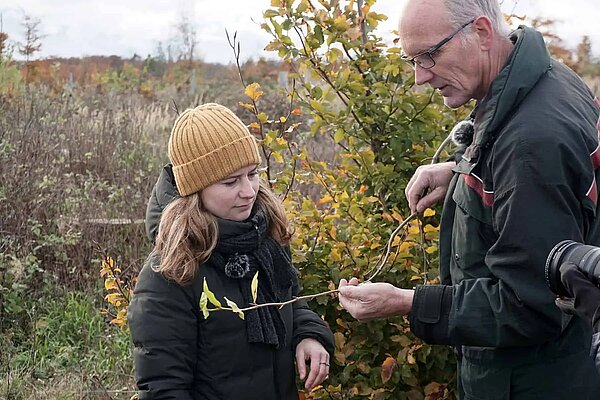
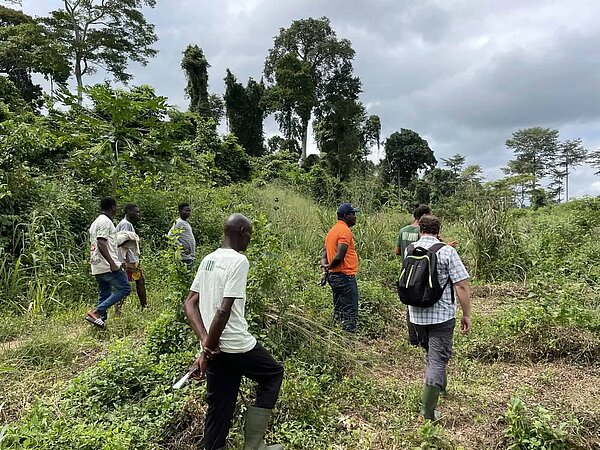
Release, however, is only one stage. Rangers collect information through direct observation and GPS collars, allowing the project team to understand where the animals move, how they use the habitat and whether they are adapting successfully. Health assessments and behavioural observations help identify problems that would be invisible if success were measured only by the number of animals released.
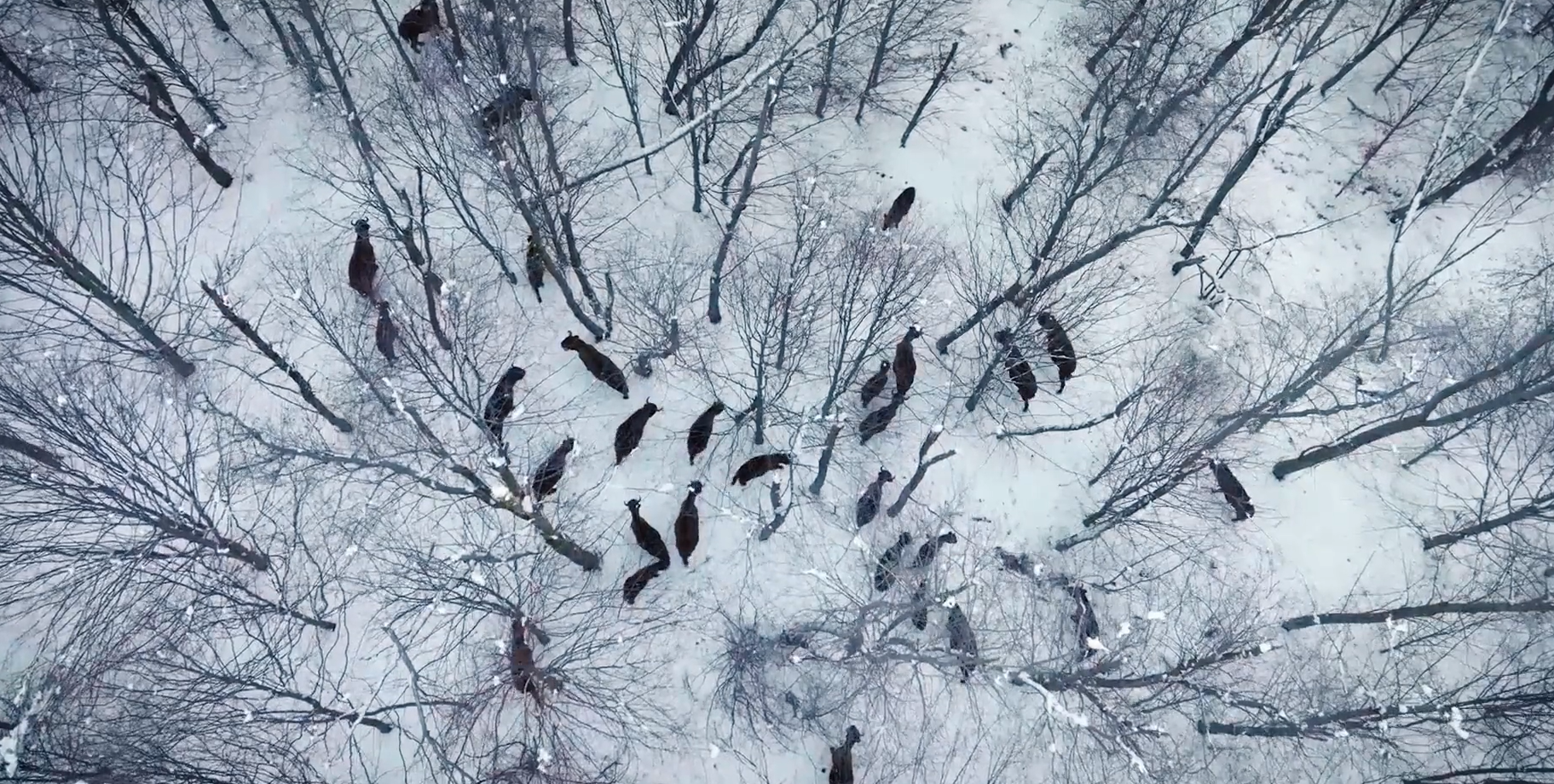
GPS data and field observations help rangers follow the animals’ movements, behaviour and health after release.
What Does a Successful Return Look Like?
Rewilding does not have a single finish line. An animal surviving its first months in the wild is an important step, but the longer-term objective is a population that can navigate the landscape, reproduce and become part of the ecosystem again.
Calves have since been born in the wild in the Făgăraș Mountains—an encouraging indication that the animals are adapting to their new home. At the same time, births alone do not prove that the population is already self-sustaining. Continued monitoring remains essential to understand survival, reproduction, movement and the development of the different groups over time.
This is what makes the bison story valuable as a measure of restoration. It shows progress, but it also makes the long timeframe of ecological recovery visible. Reintroducing a species after two centuries cannot be reduced to a one-off milestone or a single headline number.
Rewilding a Shared Landscape
The bison are returning to a landscape that is also home to villages, farms and local businesses. Successful reintroduction therefore depends not only on ecological conditions but also on whether local communities understand the programme and see a place for themselves within it.
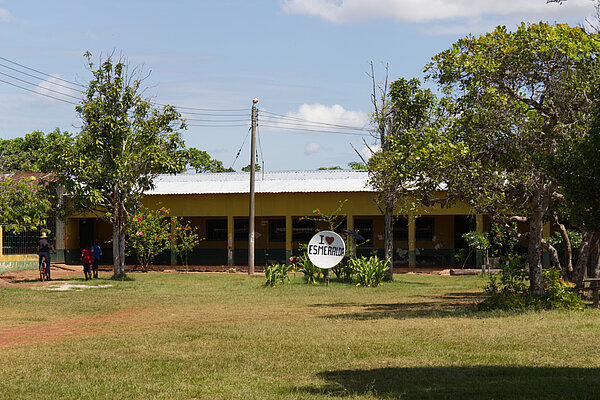
In April 2025, Foundation Conservation Carpathia opened the Bison House Visitor Centre in Lerești. The centre gives residents, schools and visitors an opportunity to learn about the species and the wider conservation work taking place in the Făgăraș Mountains. The return of the bison is increasingly becoming part of the identity of the surrounding communities, connecting wildlife restoration with education and nature-based tourism.
This local dimension is not an optional addition to rewilding. Long-term protection is far more likely to endure when wildlife is seen as part of the region’s future rather than as a conservation initiative imposed from outside.
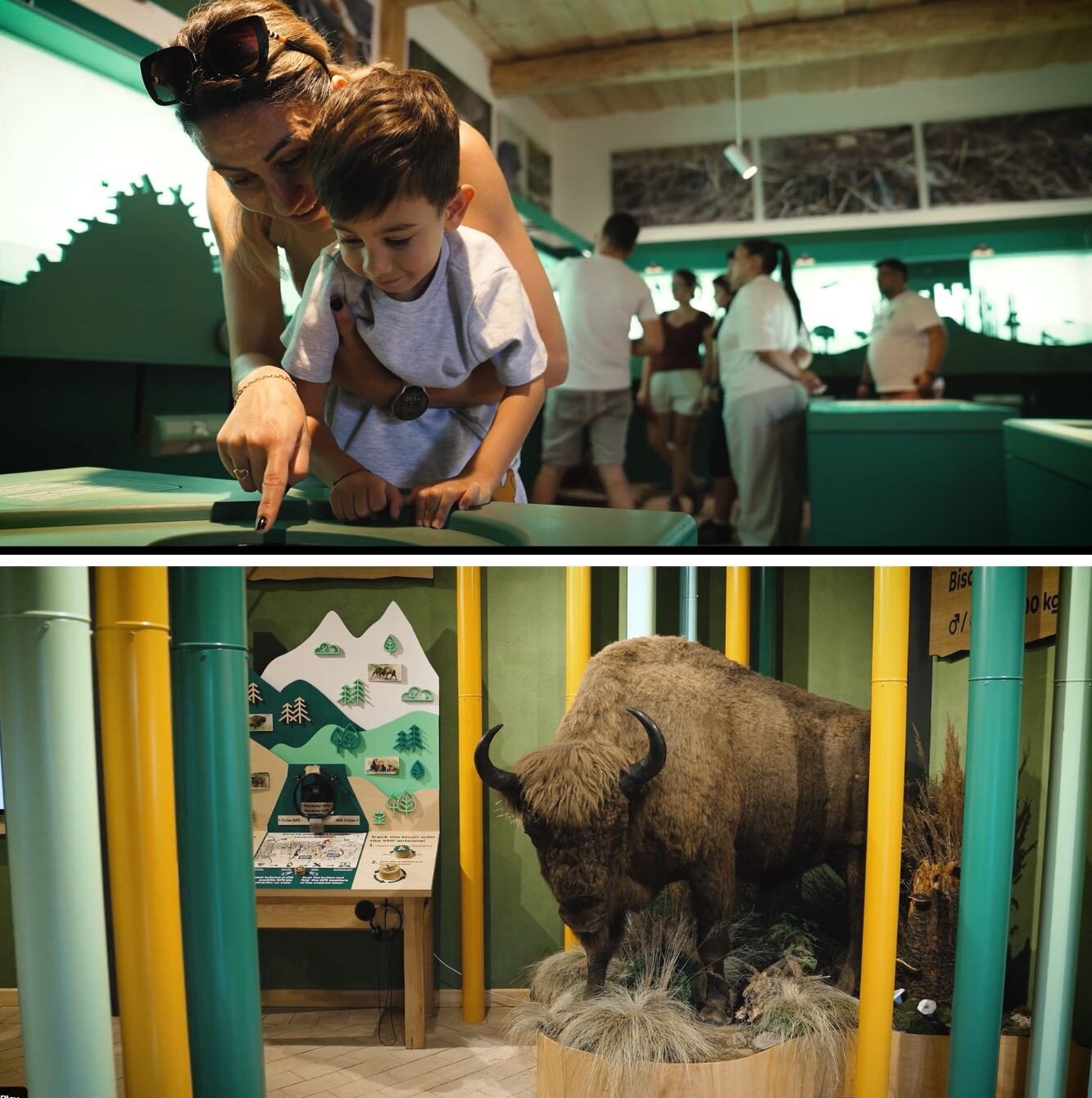
The Bison House Visitor Centre connects the reintroduction programme with education, tourism and the surrounding communities.
Where the Carbon Project Fits
The Carpathia Forest Carbon Project protects 13,958 hectares of forest within this much larger conservation landscape. Its defined carbon area and the wider range used by wildlife are not identicaland keeping that distinction clear matters.
The connection lies in the landscape itself. Long-term forest protection, the restoration of degraded areas and the reconnection of habitats create the conditions in which species such as European bison can move and adapt. The return of the bison illustrates why the value of forest conservation cannot be understood through carbon figures alone.
A carbon credit does not represent a bison. But a protected forest landscape that can once again support a species missing for almost 200 years shows what long-term conservation can make possible beyond carbon.
The bison’s return is still being written. Continued monitoring, habitat protection and cooperation with local communities will determine how the population develops in the years ahead. That long-term work—not the release alone—is the real measure of successful rewilding.
Learn more about the Carpathia Forest Carbon Project and how long-term forest protection supports climate action and biodiversity in Romania’s Făgăraș Mountains.