Nature Responds: 202 New Wildlife Records Reveal Vichada's Biodiversity Comeback
Alona Mikhova
August 14, 2026
Project Updates
Ecological restoration is a long game. It takes years of consistent work before nature starts to show its hand, and when it does, wildlife is usually the first to tell the story. Between March and May 2026, InverBosques ran its second wildlife monitoring campaign of the year across the conservation and restoration areas of the Vichada Climate Reforestation Project, and the results are hard to ignore: 202 wildlife records, representing 25 mammal species living across both natural forests and restored landscapes within the project area.
A Landscape Built to Recover
The Vichada Climate Reforestation Project (GS4221) sits in Puerto Carreño, Vichada, within the Bita River basin, part of Colombia's Orinoquía region. It's a landscape of savannahs and gallery forests that has absorbed decades of deforestation, fragmentation and human-driven fire, much of it tied to extensive cattle grazing. Spanning more than 108,000 hectares, with over 26,000 hectares of eligible planted area, the project is implemented by Inverbosques S.A. and Aldea Forestal S.A., with FORLIANCE acting as project-development and technical partner.
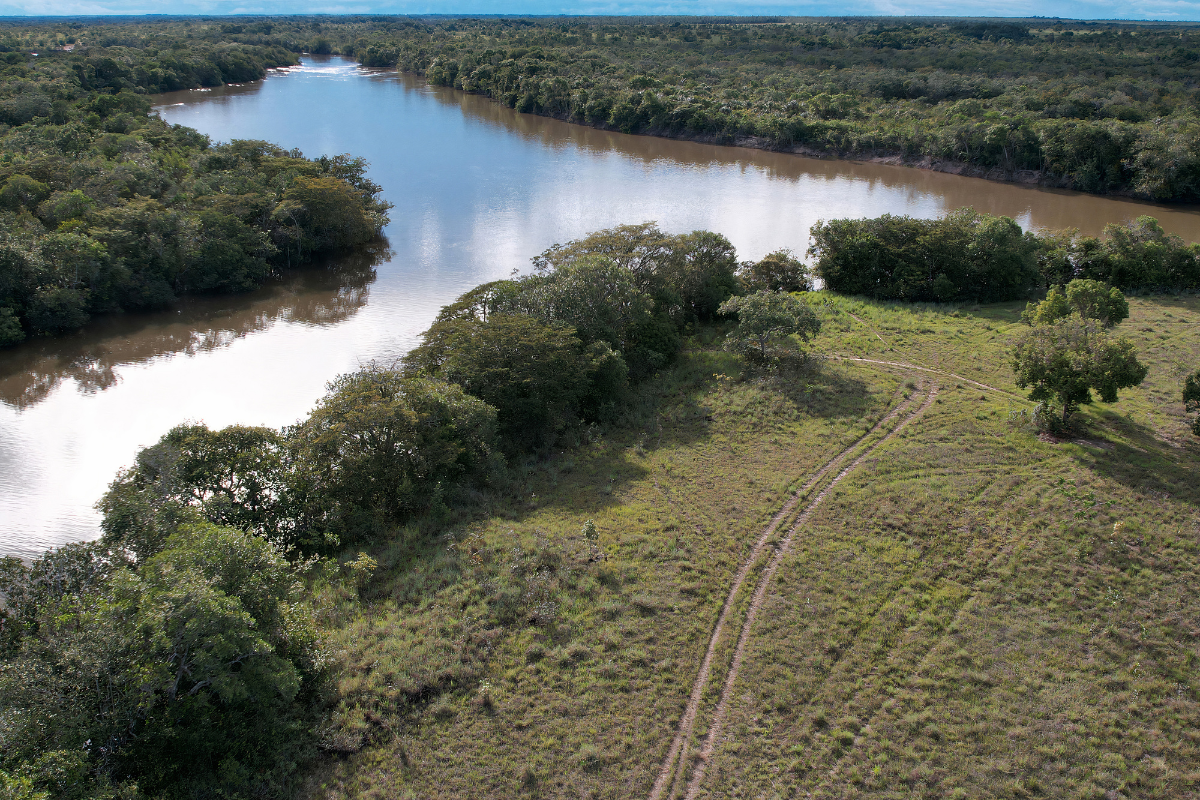
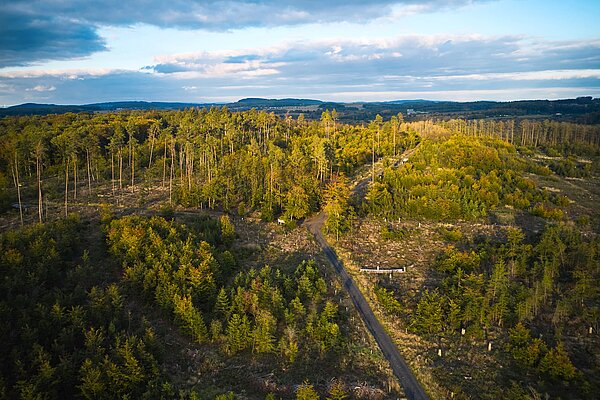
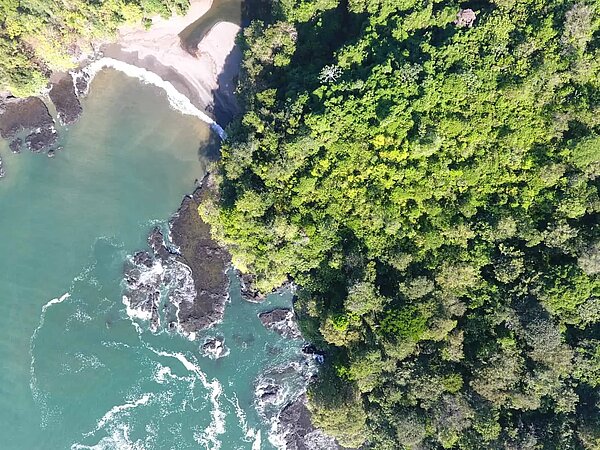
Aerial view of the Bita River, a wetland recognized under the Ramsar Convention, within the Vichada Climate Reforestation Project.
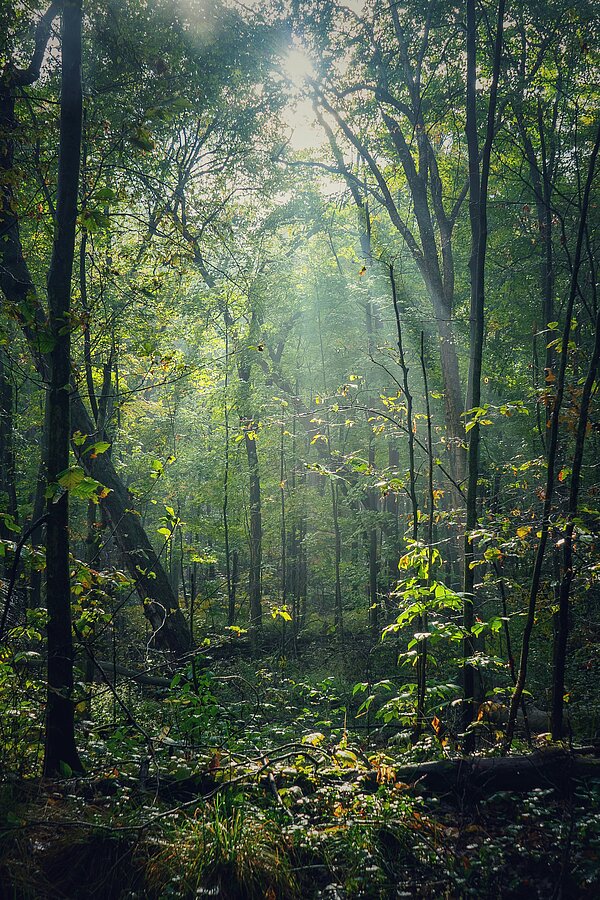
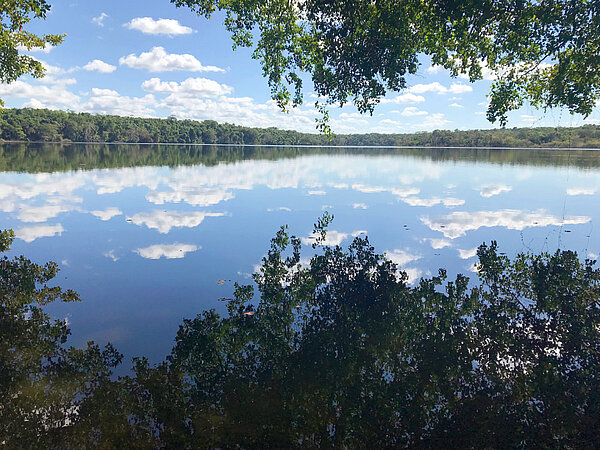
The Bita River itself is a Ramsar-listed wetland of international importance, close to the El Tuparro Biosphere Reserve and a recognized Key Biodiversity Area. Colombia's own Alexander von Humboldt Institute has identified the operating area as sitting within a jaguar conservation unit, a key node for large-scale ecological connectivity.
In a landscape like this, wildlife returning isn't incidental. It's one of the clearest signs that restoration is beginning to make a difference.
What 202 Records Actually Show
These records represent far more than a species inventory. They are indicators of the progressive recovery of the territory's ecological functionality, and evidence that these restored ecosystems now provide food, shelter, connectivity and suitable conditions for wildlife that a degraded savannah simply cannot.
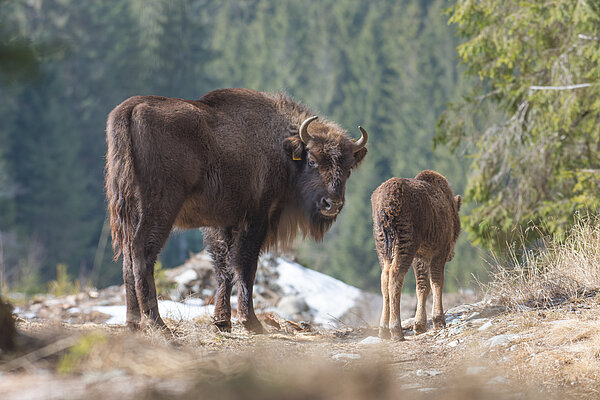
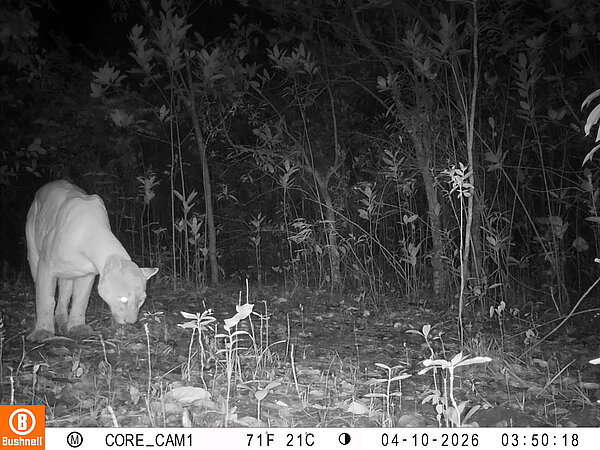
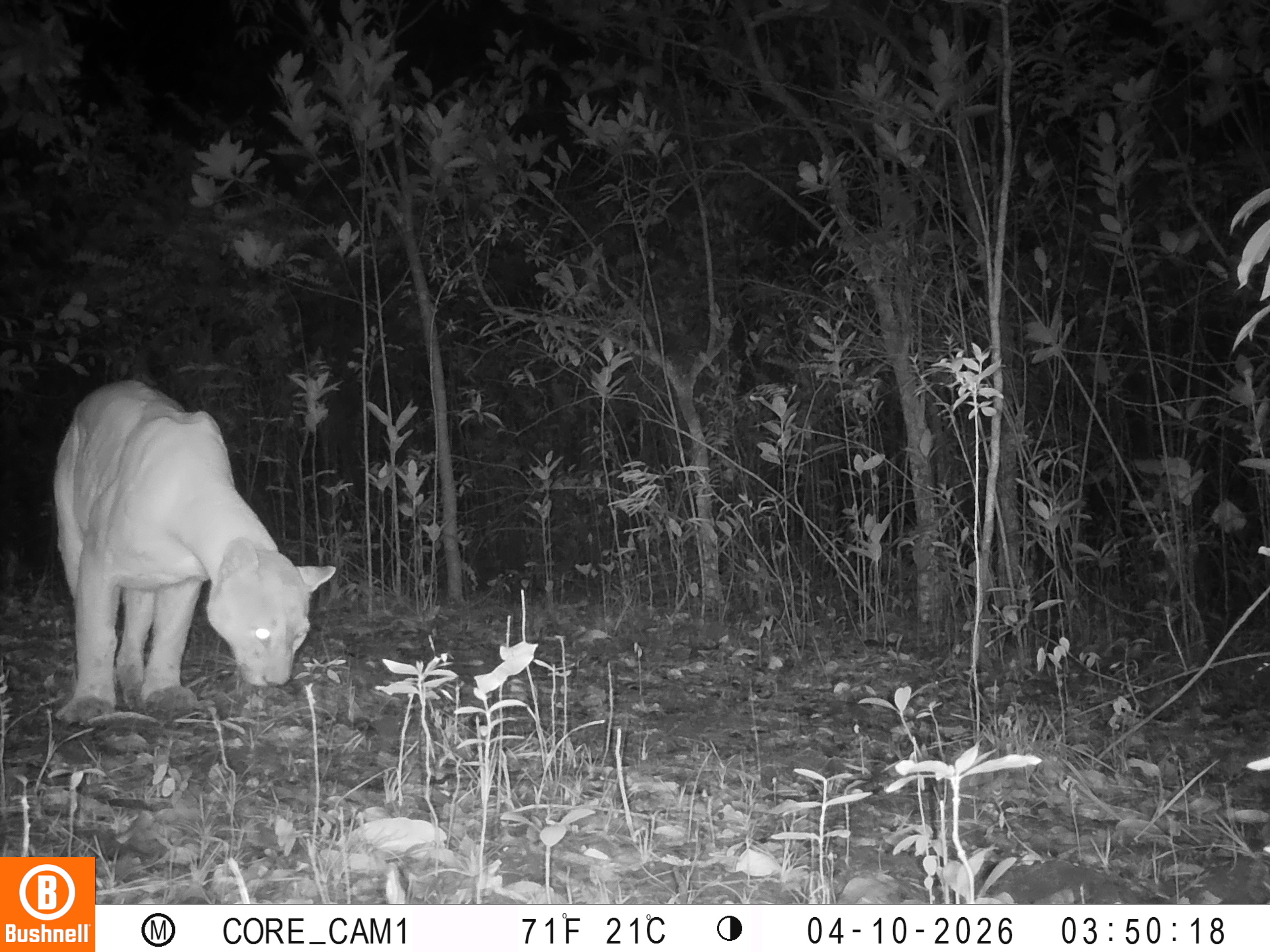
Among the species recorded are some of Colombia's most conservation-significant mammals: the lowland tapir, the white-lipped peccary, the giant anteater, several armadillo species, and a range of wild cats. Two sightings deserve particular attention. The puma (Puma concolor) and the ocelot (Leopardus pardalis) are, respectively, an apex predator and a mesopredator occupying high trophic levels. Species like these do not survive in degraded, disconnected habitat. Their presence signals adequate forest cover, sufficient prey availability, and real ecological connectivity between habitat patches, exactly what a healthy, functioning landscape provides.
A lowland tapir caught on camera, one of 25 mammal species recorded during the March–May 2026 monitoring campaign.
This tracks with what InverBosques' broader monitoring program has documented on these same properties: jaguar, red-footed tortoise, giant armadillo, yellow-spotted river turtle and white-tailed deer, among others, recorded through a combination of camera traps and community-led citizen science on iNaturalist. A standing conservation agreement with the Omacha Foundation and Resnatour, in place since 2019, specifically protects the lowland tapir, jaguar and puma across the Río Bita basin.
About the Eucalyptus
It's a fair question, and one worth answering directly: how does a project that plants eucalyptus, pine and acacia also claim to be restoring biodiversity?
The short answer is that these three genera are not managed for timber in this project. Not a single hectare is harvested commercially. Instead, they're used the way restoration science increasingly recommends using fast-growing exotics: as a transitional nurse canopy that establishes cover quickly on severely degraded, nutrient-poor former pastureland, suppresses invasive grasses, and then makes room for native species to take over.
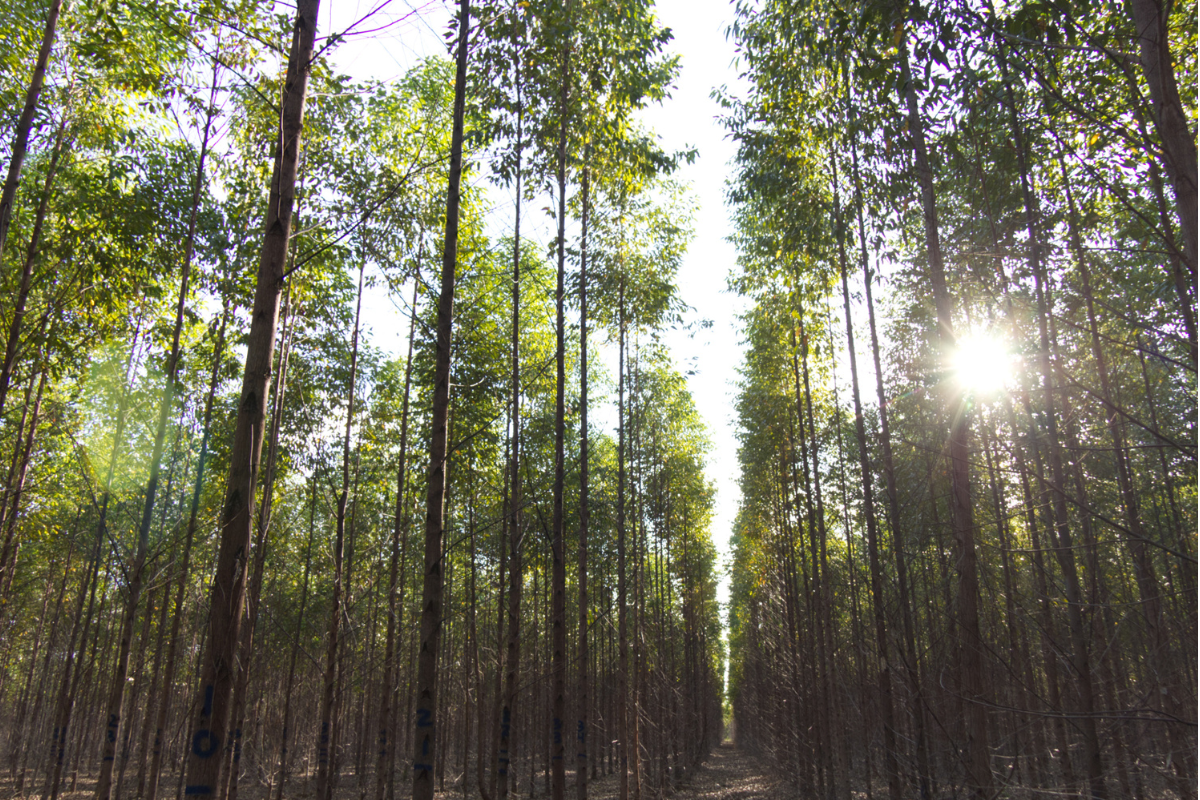
Eucalyptus stand planted as a temporary nurse crop to stabilize and protect the soil while creating the conditions for native forest to regenerate.
On the ground in Vichada, the evidence is already visible. The project's monitoring team has documented spontaneous native tree growth between plantation rows across multiple blocks, smaller trees that were never planted but are emerging on their own, a regenerative trend that field visits confirm was not present before the project began. A separate eDNA soil study comparing six habitat types, including old and young eucalyptus stands, acacia plantations and unmanaged savannah, found that the plantations actually supported greater fungal diversity in the soil than the untouched savannah bank did, evidence that these stands are functioning as living, improving soil systems, not sterile monocultures.
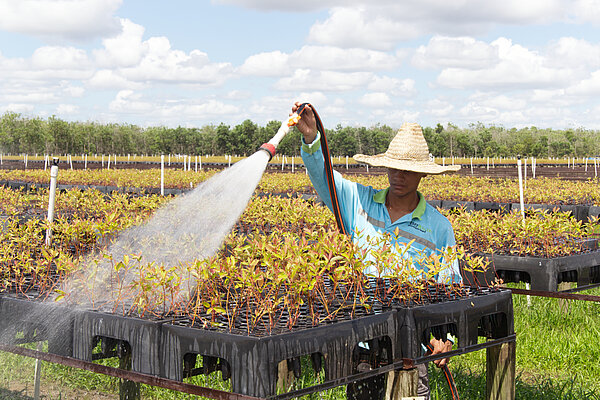
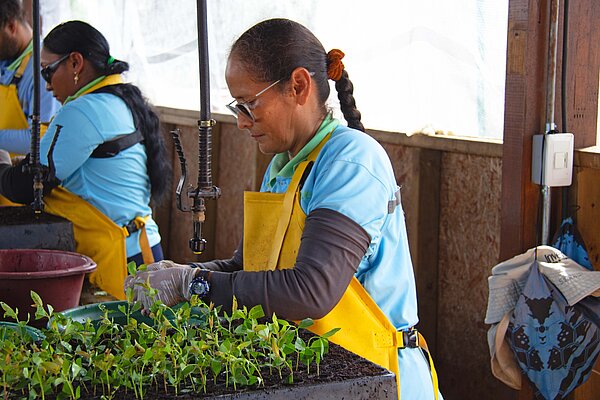
None of this is left to chance. InverBosques runs Colombia's largest certified forest nursery, producing up to 3 million native seedlings a year alongside its exotic stock, and is actively enriching existing acacia and eucalyptus stands with native species: 1,000 hectares enriched in 2023 alone, with a further 1,250 hectares and an estimated 1.5 million native trees planned. Gallery forests, roughly a quarter of the project's land, are protected by a strict 100-metre no-intervention buffer mandated by the regional environmental authority CORPORINOQUIA: no machinery, no fertilizer, no pesticide, planting by hand only. The eucalyptus is not the endpoint of this project. It's scaffolding for a native forest that is already, visibly, growing up through it.
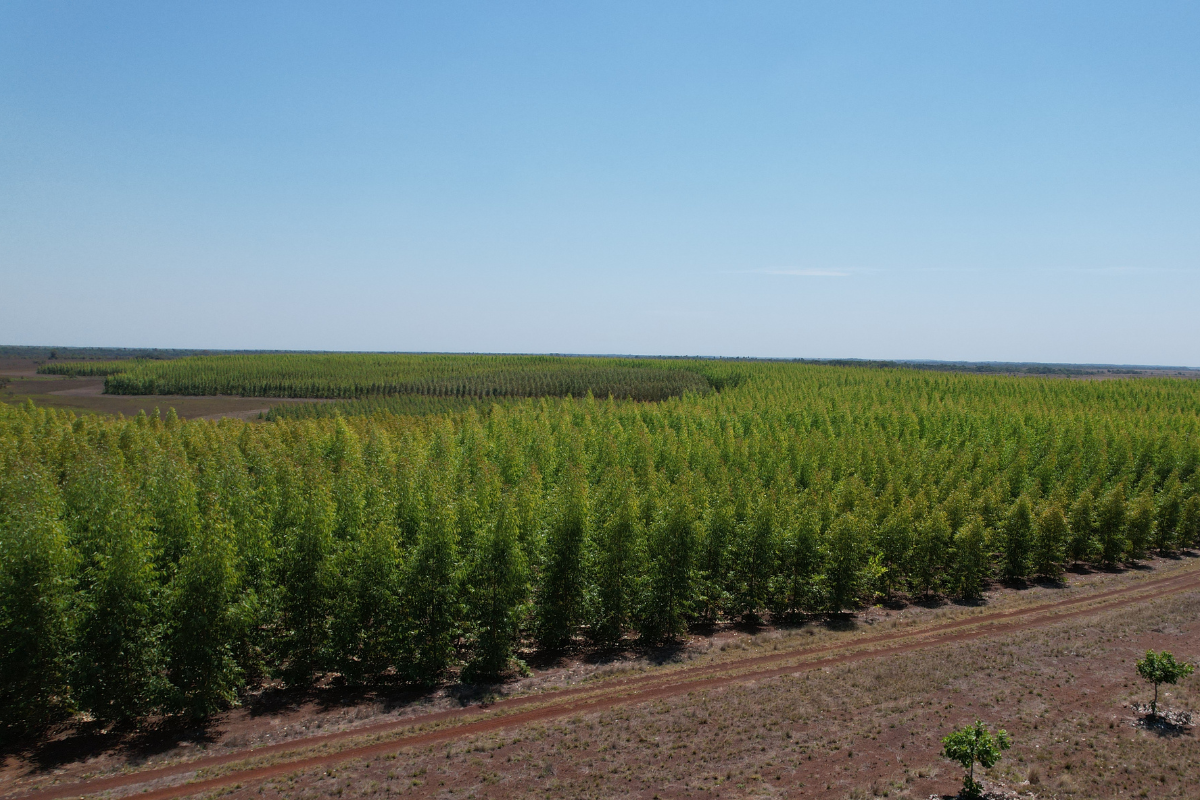
Eucalyptus plantation covering part of the project's more than 26,000 hectares of eligible planted area, established as part of a phased restoration approach.
Corridors, Not Just Canopy
In open savannah, wide-ranging species get trapped on "biological islands," cut off from each other by a lack of cover, which drives isolated populations and shrinking genetic diversity. By rebuilding forest canopy and gallery forest corridors along the Bita River, the project restocks exactly the kind of connectivity that umbrella species like the jaguar and lowland tapir depend on to maintain healthy home ranges and natural migration patterns. When species such as puma and ocelot show up in the monitoring data, they offer another signal that these connections are being used.
The Science Behind the Sightings
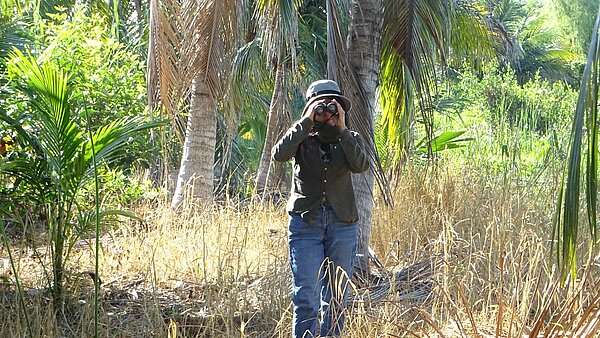
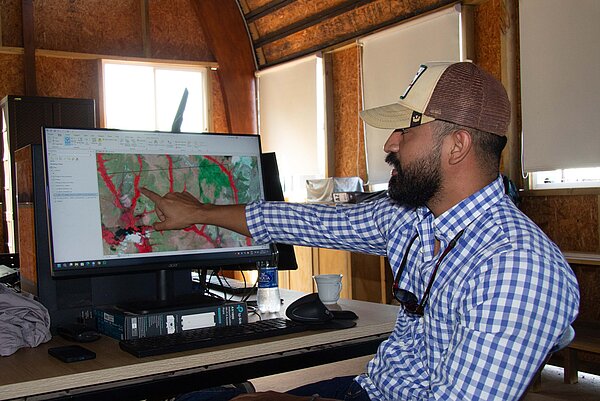
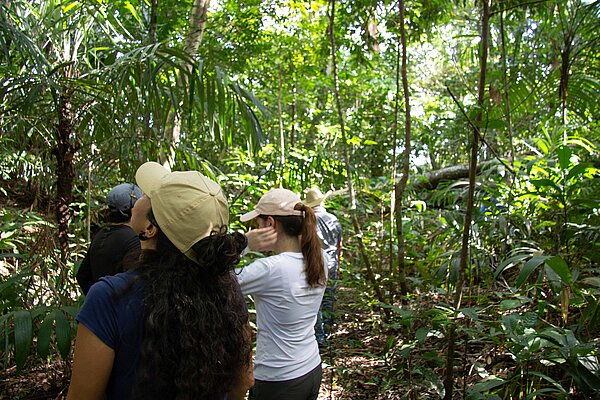
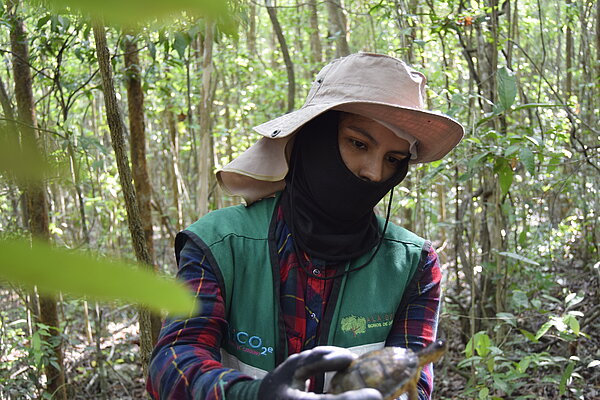
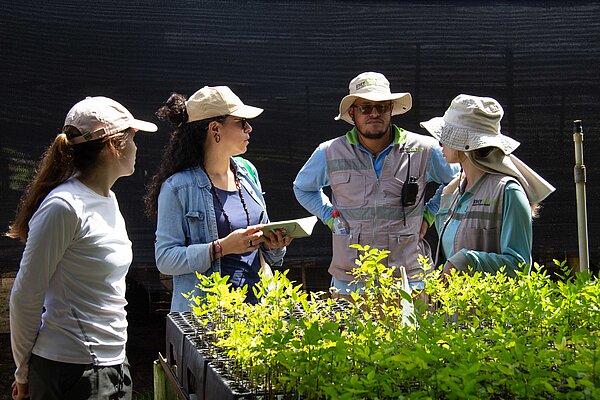
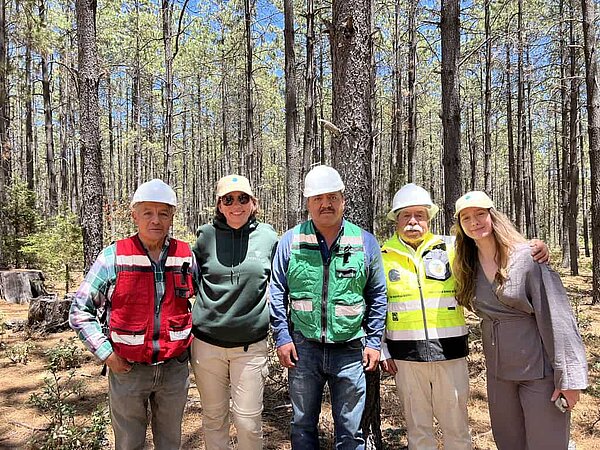
Every record from this campaign feeds into a structured, multi-year monitoring effort: camera traps and participatory iNaturalist observations across eleven High Conservation Value areas, more than 36 trained local forest rangers, flora inventories, and ongoing eDNA soil analysis, all run in partnership with organizations including the Omacha Foundation and the Bita River Watershed Council.
Continuous wildlife monitoring is part of InverBosques' commitment to generating scientific evidence on how these ecosystems evolve. Every new record adds another piece to the picture, helping the team understand how species respond to restoration and where future management should focus.
“At InverBosques, we understand that restoration is about much more than planting trees. It means accelerating the natural processes that enable forests to recover their ecological functionality, allowing biodiversity to thrive once again. Every new species recorded is another sign that this restoration journey continues to move forward.”
A puma captured by a camera trap along a forest corridor, as part of the project’s ongoing biodiversity monitoring.
A Project Worth Backing
- 202 wildlife records and 25 mammal species confirmed in a single 2026 monitoring campaign alone.
- Apex and mesopredators present, including puma and ocelot, proof of functioning habitat and real ecological connectivity.
- Zero commercial timber harvest from the project's eucalyptus, pine and acacia stands, used exclusively as transitional nurse canopy.
- Independently documented natural regeneration of native species beneath and between exotic plantation rows.
- Structured, long-term monitoring across 11 High Conservation Value areas, backed by camera traps, eDNA analysis, and trained local rangers.
The Vichada Climate Reforestation Project shows what disciplined, science-backed restoration looks like when it's given time to work: degraded pastureland turning back into functional habitat for some of Colombia's most important wildlife.
For corporates looking to back a reforestation project that can answer hard questions with real data, this is one worth a closer look. Get in touch with the FORLIANCE team to learn more about the Vichada Climate Reforestation Project.

About the Author
Alona Mikhova, Project Portfolio & Commercialization Manager at FORLIANCE
Alona Mikhova is a Project Portfolio Specialist and Commercialization Manager at FORLIANCE, with over a decade of sustainability expertise and five years in the carbon sector. She translates complex project information into credible communications, supports due diligence and corporate net-zero strategies, and connects teams to deliver value for companies, biodiversity, and local communities.